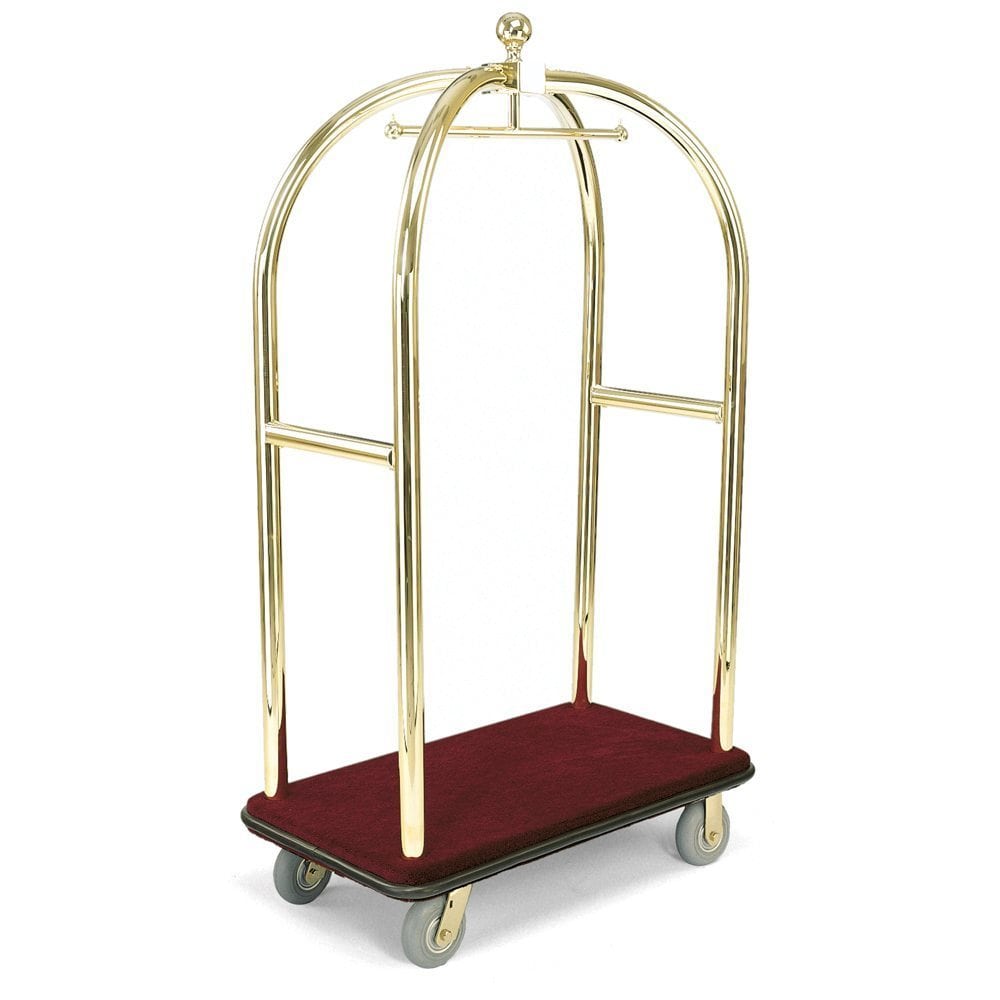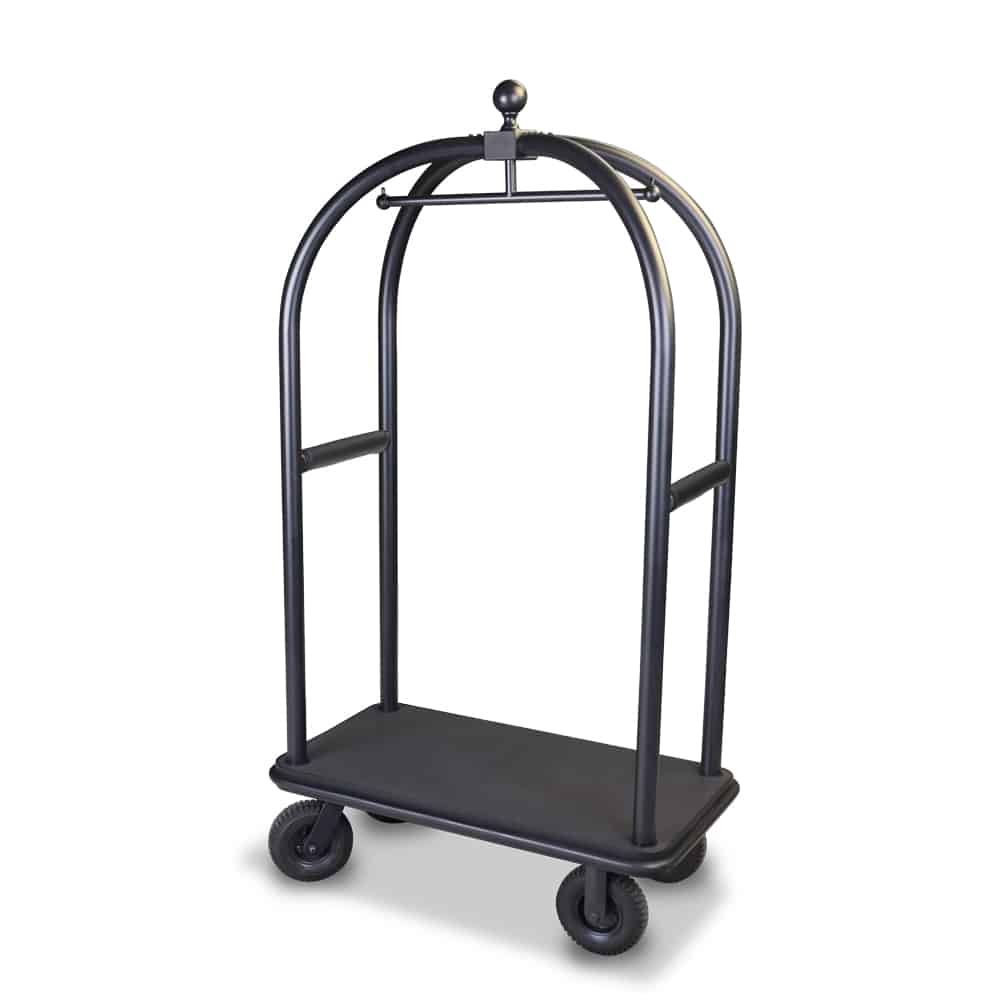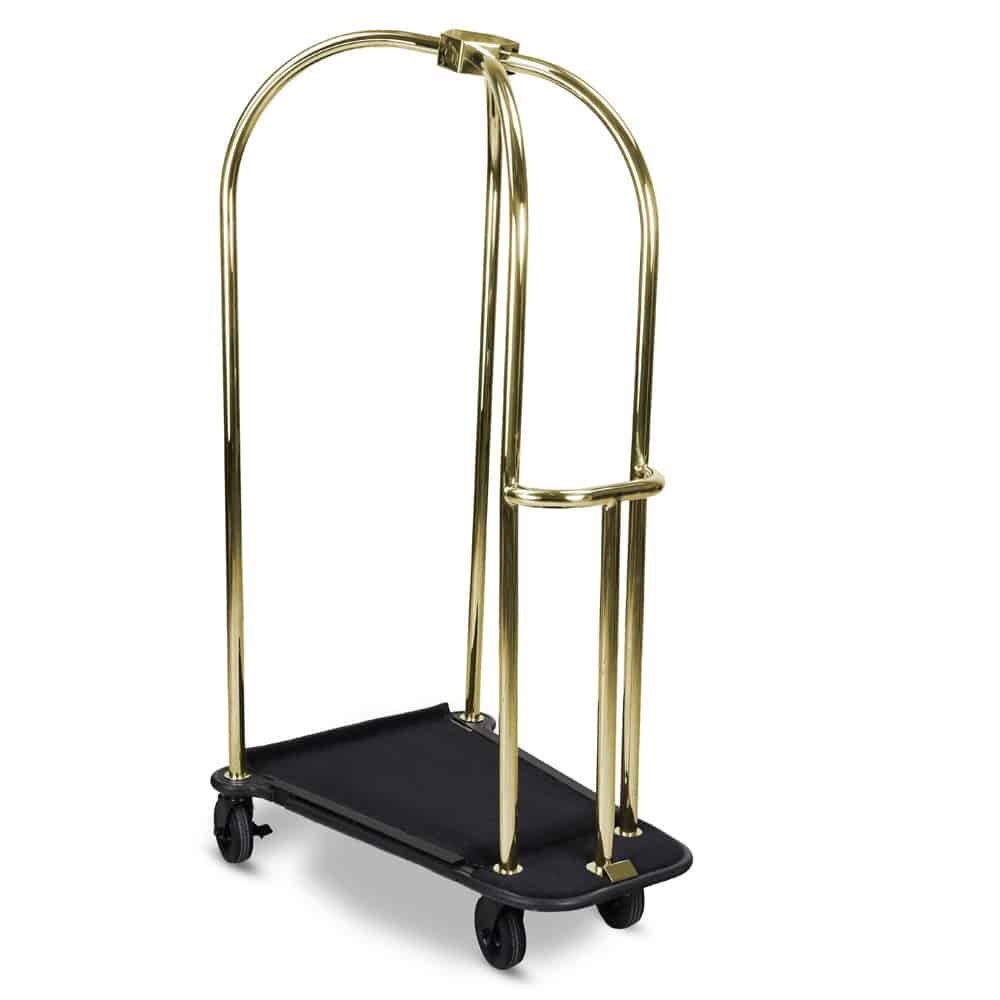
When evaluating hotel luggage carts, most procurement teams focus on one number: the purchase price. But here’s what experienced hotel managers know—the cheapest cart on day one often becomes the most expensive cart by year three.
This guide breaks down the real return on investment (ROI) of quality hotel luggage carts, with a simple calculator you can use to estimate savings for your property.
Quick ROI Calculator
Use this simple formula to estimate your annual savings:
Annual Savings Formula
Annual Savings = Labor Savings + Maintenance Savings + Replacement Savings + Damage Reduction
Labor Savings:
Time Saved per Trip (min) × Trips per Day × Labor Cost ($/hr) × 365 ÷ 60
Example: 3 min × 20 trips × $18/hr × 365 ÷ 60 = $6,570/year
ROI Formula:
ROI = (Annual Savings ÷ Purchase Cost) × 100%
Example: ($6,570 ÷ $800) × 100% = 821% ROI
Why Purchase Price Is Just the Beginning
When calculating the true cost of hotel luggage carts, you need to consider the Total Cost of Ownership (TCO)—not just the sticker price.
The 5 Hidden Costs of Cheap Luggage Carts
- Frequent Replacement: Budget carts often last 1-2 years under hotel conditions, while commercial-grade carts can last 5-7+ years
- Higher Maintenance: Wheel failures, frame repairs, carpet replacement—all add up quickly
- Property Damage: Wobbly wheels and poor braking lead to wall dents, door frame damage, and scratched floors
- Staff Inefficiency: Difficult-to-maneuver carts slow down bell staff, especially during peak check-in hours
- Guest Experience: Squeaky, rattling, or wobbly carts create a negative first impression
Real Cost Comparison: 3-Year TCO Analysis
Let’s compare two scenarios: a budget luggage cart versus a commercial-grade option.
| Cost Factor | Budget Cart | Commercial-Grade |
|---|---|---|
| Purchase Price | $350 | $800 |
| Expected Lifespan | 2 years | 7+ years |
| Replacements (3 years) | 1× $350 = $350 | $0 |
| Annual Maintenance | $60/year | $25/year |
| Property Damage Repairs | $80/year | $20/year |
| 3-Year Total Cost | $1,030 | $935 |
Result: The “cheaper” cart actually costs $95 more over 3 years—before accounting for labor efficiency, guest experience, and staff satisfaction.
Labor Savings: The Biggest ROI Driver
Time is money in hotel operations. Here’s how quality luggage carts create measurable labor savings:
Scenario: 120-Room Hotel
- Guests per day: ~100 (assuming 83% occupancy)
- Luggage trips per day: 18 (accounting for check-in/check-out and some guests without luggage)
- Bell staff hourly rate: $18
- Time saved per trip with quality cart: 2.5 minutes (smoother rolling, better balance, fewer stops)
Annual Labor Savings:
2.5 min × 18 trips × $18/hr × 365 days ÷ 60 = $4,928/year
Even if you’re conservative and estimate only 50% of that figure, you’re still looking at $2,464/year in labor savings alone.
The Hidden Cost of Property Damage
Budget luggage carts often lack proper:
- Wheel guards to prevent wall damage
- Bumper strips to protect door frames
- Non-marking wheels to preserve floor finishes
- Stable bases to prevent tipping and scratches
A single wall repair can cost $150-300. Door frame damage? Even more. Over a year, a hotel using budget carts might spend $200-500 just fixing damage caused by equipment—costs that virtually disappear with carts designed for hotel environments.
Staff Safety and Satisfaction
Luggage handling is physically demanding work. Poorly designed carts increase the risk of:
- Back strain from pushing heavy, poorly-balanced loads
- Wrist and shoulder injuries from stiff or jammed wheels
- Tripping hazards from unstable loads
- Repetitive stress from awkward maneuvering
Real costs of staff injuries:
- Workers’ compensation claims: $500-$5,000+ per incident
- Lost productivity during recovery
- Overtime costs for coverage
- Training costs for temporary replacements
- Decreased morale across the team
Investing in ergonomic, well-designed equipment is one of the most cost-effective ways to reduce these risks.
Guest Experience: The Unmeasurable ROI
First impressions matter. When guests arrive at your property, the luggage cart is often one of the first pieces of equipment they see—and sometimes ride on.
What guests notice:
- Squeaky or rattling wheels
- Worn, stained, or frayed carpet on the cart
- Rust spots, dents, or paint chips
- Wobbly or hard-to-control movement
The impact:
- Lower perceived value of the hotel
- Reduced likelihood of positive reviews
- Decreased repeat bookings and referrals
While difficult to quantify exactly, consider this: if a quality luggage cart prevents just one negative review per year, the revenue preservation alone could exceed the cart’s entire cost.
Complete ROI Case Study
Case Study: 150-Room Upscale Hotel
Current Situation:
- Using 4 budget luggage carts ($350 each)
- Carts replaced every 2 years
- Frequent wheel repairs ($45/cart/year)
- Staff complaints about difficult maneuvering
- Occasional wall/door damage ($120/year in repairs)
After Switching to Commercial-Grade Carts ($800 each):
| Savings Category | Annual Savings |
|---|---|
| Reduced replacement frequency | $350 |
| Lower maintenance costs | $80 |
| Property damage reduction | $100 |
| Labor efficiency (conservative estimate) | $1,200 |
| Total Annual Savings | $1,730 |
ROI Calculation (per cart):
Investment: $800 per cart
Annual Savings: $432.50 per cart
ROI: 54% in Year 1, 108% cumulative by Year 2
Bottom line: The investment pays for itself within 22 months—and continues generating returns for 5+ more years.
5 Signs It’s Time to Upgrade Your Luggage Carts
- Wheels stick, squeak, or require frequent replacement — This is the #1 indicator that your carts are costing more in maintenance than a replacement would cost
- Visible rust, dents, or frame damage — Structural issues affect both safety and guest perception
- Carpet is worn, stained, or frayed — First impressions matter; a tired-looking cart suggests a tired operation
- Staff avoid using them — If your bell staff prefer making multiple trips by hand, your carts are an obstacle, not a tool
- You’re replacing carts every 2-3 years — Commercial-grade carts should last 5-7+ years; shorter lifespans indicate you’re spending more long-term
Making the Business Case to Management
Need approval for higher-quality carts? Present this 3-point argument:
1. Hard Numbers:
- Show the 3-year TCO comparison (use the table above)
- Calculate your property’s labor savings using the formula
- Document current maintenance and repair costs
2. Risk Reduction:
- Lower injury risk means fewer workers’ comp claims
- Stable, well-maintained carts reduce liability exposure
- Consistent equipment supports brand standards
3. Guest Experience:
- Quality equipment = professional first impression
- Smoother operations during peak periods
- Equipment that supports your hotel’s positioning
Conclusion: The ROI Is Real
Quality hotel luggage carts aren’t an expense—they’re an investment. When you factor in labor efficiency, maintenance costs, property protection, staff safety, and guest experience, the return on investment becomes clear.
Key takeaways:
- Purchase price is only one factor in total cost of ownership
- Labor savings alone can justify the investment in quality equipment
- 3-year TCO analysis often shows premium carts cost less than budget options
- Staff safety and guest experience add significant but harder-to-quantify value
Ready to calculate ROI for your property? Use the formula in this guide with your hotel’s specific numbers. You might be surprised at how quickly quality equipment pays for itself.
Have questions about choosing the right luggage carts for your property? Contact our team for a personalized consultation.