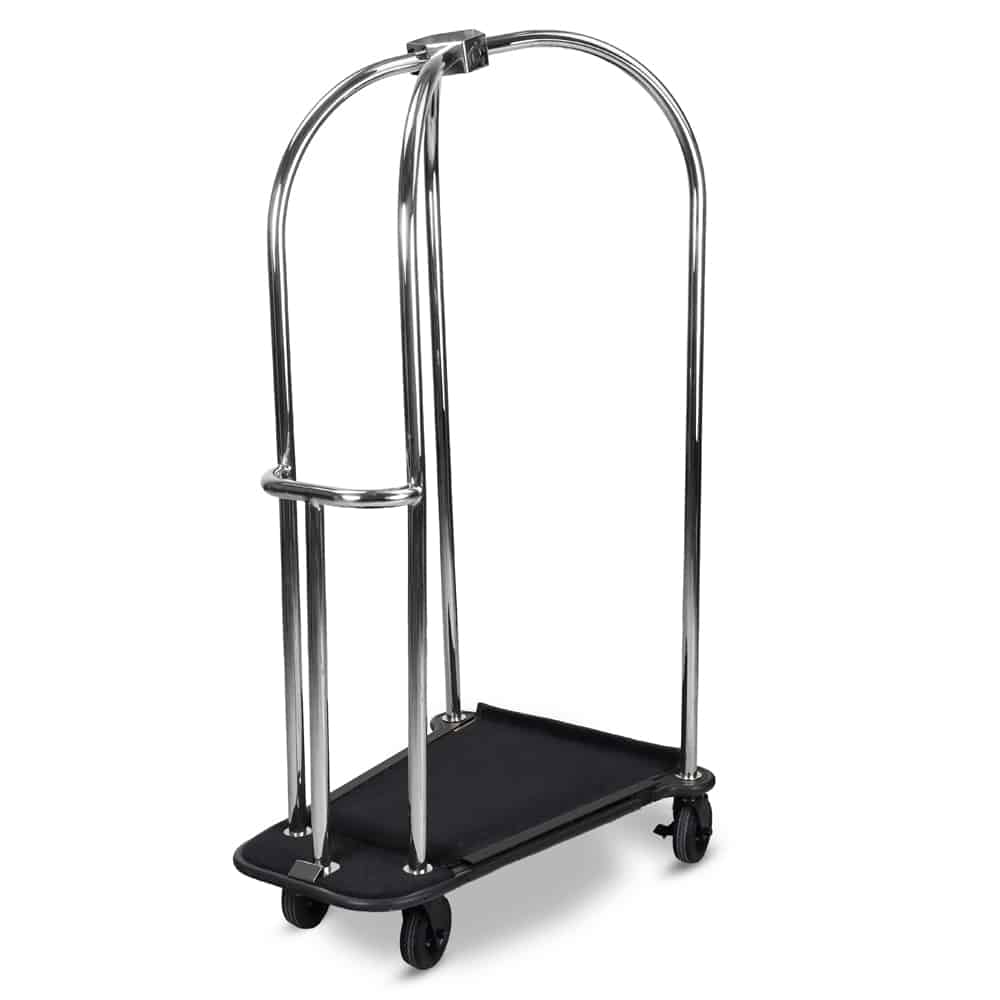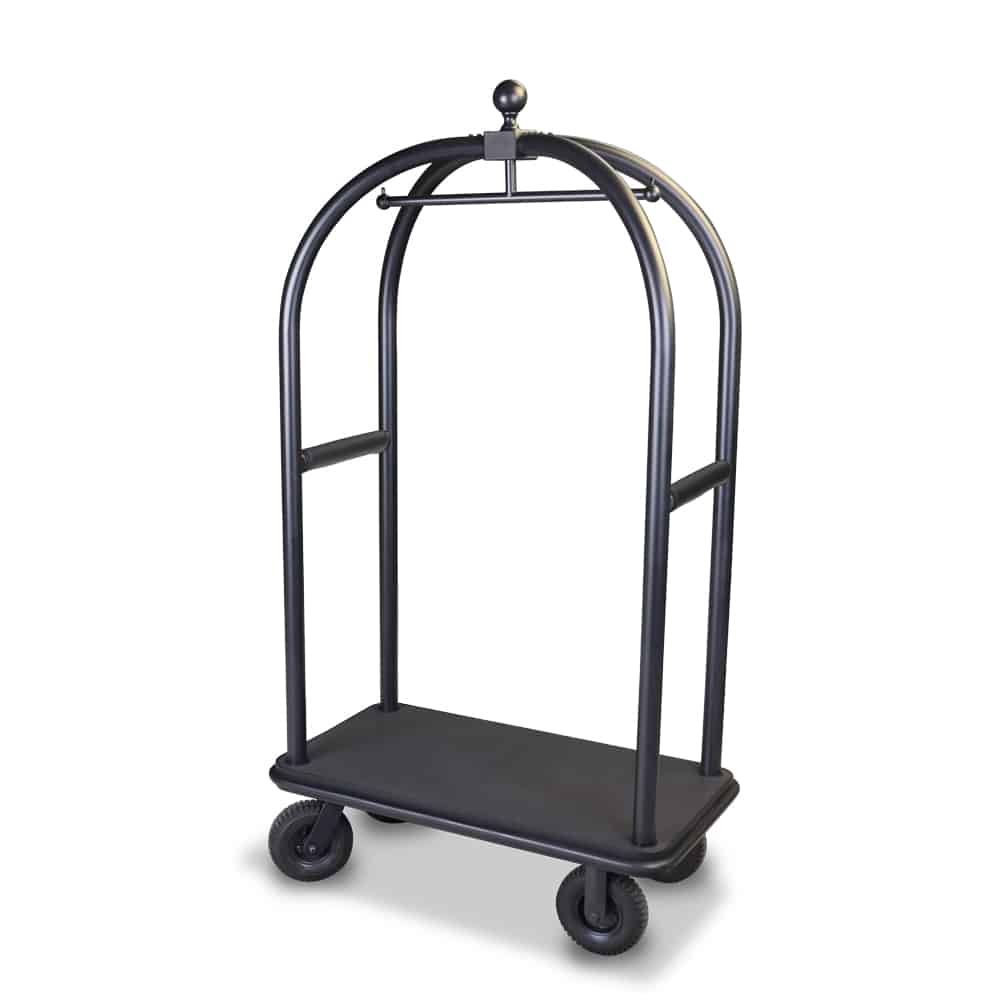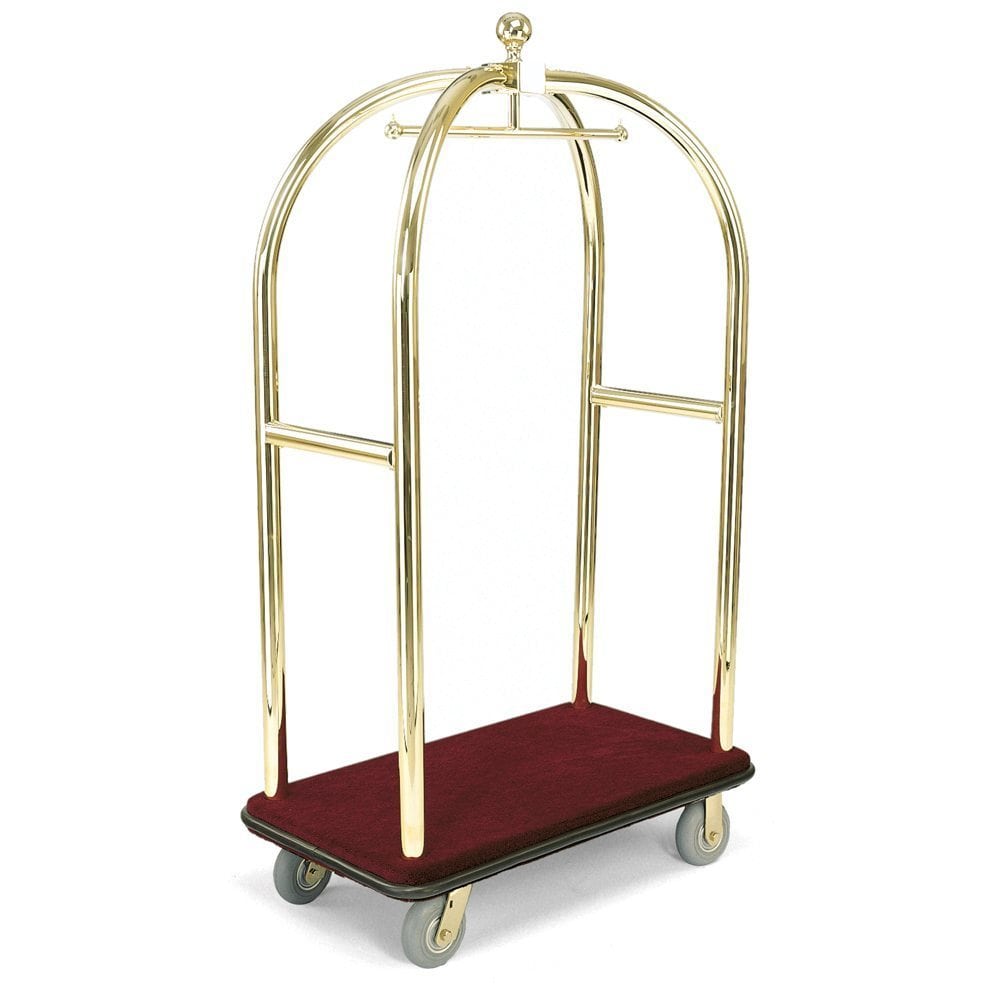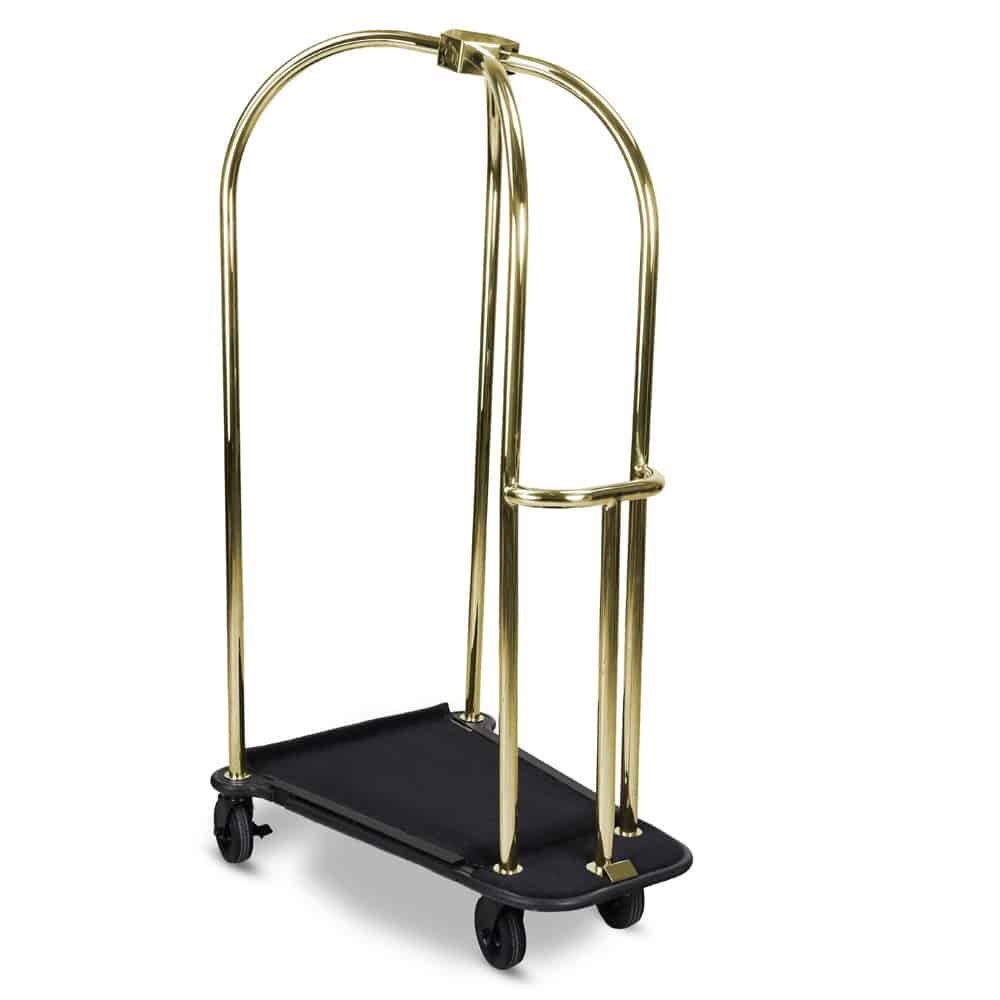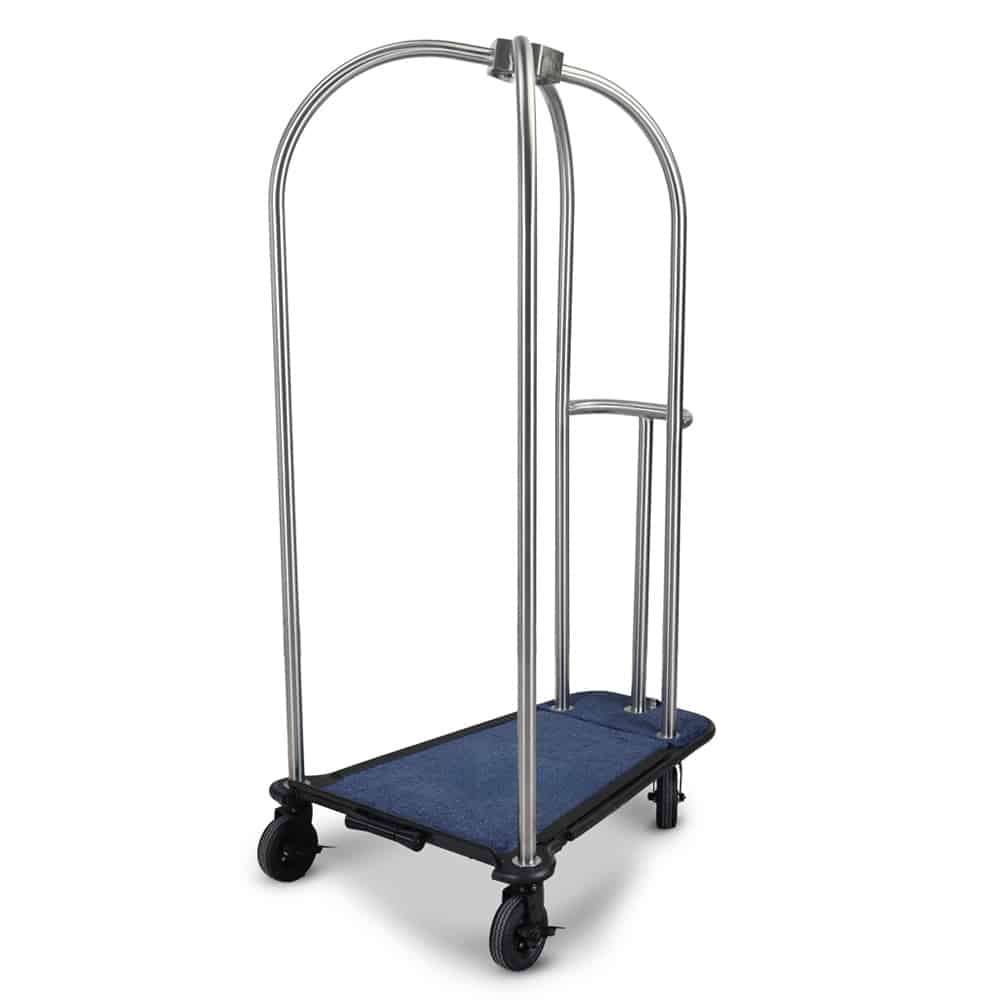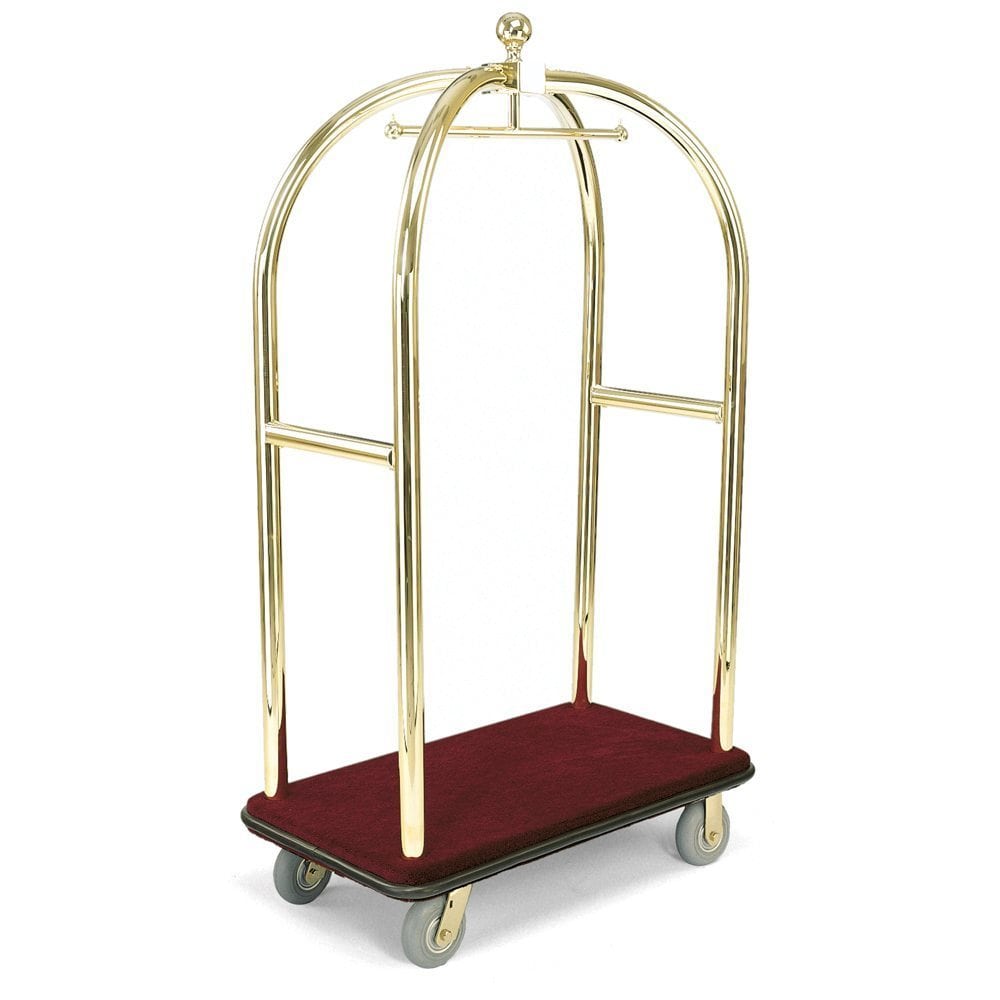
When choosing hotel luggage carts, one decision affects everything from daily operations to long-term costs: the frame material. Aluminum and stainless steel each offer distinct advantages—but which is right for your property?
This guide breaks down the real differences between aluminum and stainless steel luggage carts, so you can make an informed decision based on your hotel’s specific needs.
Quick Comparison: Aluminum vs Stainless Steel
| Factor | Aluminum | Stainless Steel |
|---|---|---|
| Weight | ✓ Lighter (easier to push) | Heavier (more stable) |
| Durability | Good for light-medium use | ✓ Excellent for heavy use |
| Corrosion Resistance | ✓ Excellent | ✓ Excellent |
| Aesthetic Appeal | Modern, clean | ✓ Premium, luxury look |
| Maintenance | ✓ Lower maintenance | Requires more surface care |
| Cost | ✓ More affordable | Higher investment |
| Best For | Efficiency-focused properties | Luxury & heavy-use hotels |
The Weight Factor: Why It Matters Every Day
Here’s a number that impacts your operations daily: stainless steel is approximately 2.8-3 times heavier than aluminum for the same volume.
Material densities:
- Aluminum: ~2,712 kg/m³
- Stainless steel: ~7,480-8,000 kg/m³
What this means in practice:
Aluminum Cart Advantages
- Easier to push, especially when fully loaded
- Less fatigue for bell staff over long shifts
- Better maneuverability in tight spaces
- Reduced wear on wheels and casters
- Lower risk of repetitive strain injuries
Stainless Steel Cart Advantages
- More stable when stationary
- Better load distribution for heavy items
- Less likely to tip on uneven surfaces
- More solid feel during transport
For daily hotel operations, aluminum’s lighter weight often translates to measurable time savings. If your bell staff make 20+ luggage trips per day, the reduced effort adds up to meaningful productivity gains over a year.
Durability: Which Material Lasts Longer?
Aluminum Durability
Strengths:
- Excellent corrosion resistance—won’t rust in humid environments
- Performs well in frequent-cleaning environments
- Holds up well under normal hotel luggage loads (150-250 lbs typical)
Limitations:
- Softer metal—more susceptible to dents and dings from impacts
- Surface scratches more visible on some finishes
- May not be ideal for extreme heavy-duty applications
Stainless Steel Durability
Strengths:
- Higher tensile strength—handles heavy loads and impacts better
- Resistant to dents and structural deformation
- Maintains appearance longer under heavy commercial use
- Grade 304 or 316 stainless offers excellent corrosion resistance
Limitations:
- Can show fingerprints, water spots, and cleaning residue
- In high-chlorine or salt environments, surface damage is possible if not properly maintained
- Higher weight puts more stress on wheels and casters
The Verdict on Longevity
Both materials can last 7-10+ years with proper care. The difference lies in how they age:
- Aluminum: Maintains structural integrity well; may show surface wear (scratches, scuffs) earlier
- Stainless steel: Resists surface damage better; requires more attention to keep looking pristine
Appearance: The Guest-Visible Difference
For luxury hotels, resort properties, and high-end boutique hotels, the luggage cart isn’t just equipment—it’s part of the guest experience.
Aluminum Appearance
- Clean, modern aesthetic
- Often has a matte or brushed finish
- Professional look suitable for mid-range to upscale properties
- Less “premium” visual impact than stainless
Stainless Steel Appearance
- ✓ Premium, high-end look that signals quality
- Available in mirror polish or brushed finishes
- Complements luxury lobby designs
- Makes a strong first impression on guests
Bottom line: If your hotel positions itself as luxury or ultra-luxury, stainless steel carts reinforce that positioning. For mid-scale, business, and extended-stay properties, aluminum offers a professional appearance at a better value.
Maintenance Requirements
Aluminum Maintenance
Typical maintenance routine:
- Weekly wipe-down with mild soap and water
- Occasional inspection of joints and fasteners
- Minimal concern about rust or corrosion
Time investment: Low—aluminum is relatively “set it and forget it.”
Stainless Steel Maintenance
Typical maintenance routine:
- Regular cleaning with stainless steel cleaner
- Immediate wiping of water spots and fingerprints
- Periodic polishing to maintain shine (for mirror finishes)
- Attention to high-touch areas
Time investment: Moderate—higher if you want to maintain a pristine appearance.
Cost Comparison: Initial vs Long-Term
While stainless steel typically carries a higher initial price tag, the full picture includes:
| Cost Factor | Aluminum | Stainless Steel |
|---|---|---|
| Initial Purchase Price | $$ | $$$ |
| Maintenance Supplies | $ | $$ |
| Staff Labor (to push) | Lower | Higher |
| Expected Lifespan | 7-10 years | 7-12+ years |
| Replacement Frequency | Moderate | Low |
ROI perspective: If your operations prioritize efficiency and staff productivity, aluminum’s lower weight can generate labor savings that offset any durability difference. If your priority is image and long-term heavy-duty use, stainless steel’s durability premium may be worth the investment.
Which Is Right for Your Property?
Choose Aluminum If:
- ✓ Your bell staff make frequent, long-distance trips
- ✓ You operate a mid-scale, business, or extended-stay hotel
- ✓ Your property is in a humid or coastal environment
- ✓ You prioritize staff efficiency and lower operational effort
- ✓ Budget is a primary consideration
- ✓ You want lower ongoing maintenance requirements
Choose Stainless Steel If:
- ✓ You operate a luxury, resort, or boutique hotel
- ✓ Guest first impressions and visual aesthetics are critical
- ✓ Your carts will see heavy daily use with maximum loads
- ✓ You want equipment that projects quality and permanence
- ✓ Your brand standards specify premium materials
- ✓ You’re willing to invest more upfront for long-term durability
Real-World Recommendations by Hotel Type
| Hotel Type | Recommended Material | Why |
|---|---|---|
| Budget/Economy Hotel | Aluminum | Cost-effective, low maintenance |
| Business Hotel | Aluminum | Efficiency-focused operations |
| Extended Stay | Aluminum | Lighter weight for longer distances |
| Upscale Hotel | Either | Depends on brand positioning |
| Luxury Hotel | Stainless Steel | Premium appearance, brand image |
| Resort/Spa | Stainless Steel | Wet environment + luxury positioning |
| Airport Hotel | Aluminum | High-frequency use, efficiency critical |
| Casino Hotel | Stainless Steel | Premium appearance, heavy use |
The Bottom Line
Both aluminum and stainless steel luggage carts have their place in hotel operations. The right choice depends on your specific priorities:
- For efficiency, staff comfort, and value: Aluminum is often the smarter choice
- For image, longevity under heavy use, and luxury positioning: Stainless steel delivers the best results
Still unsure? Consider this: the best luggage cart is one your staff actually wants to use. A slightly lighter, easier-to-maneuver cart might see more consistent use—and deliver better ROI—than a heavier “premium” option that staff avoid.
At Aukron, we offer both aluminum and stainless steel luggage carts designed specifically for hotel environments. Contact our team to discuss which option fits your property’s needs and budget.