Last Updated: March 2026 | Reading Time: 11 minutes
The wheels on your hotel carts might be the most overlooked component of your equipment—but they’re also one of the most important. The wrong caster can scratch expensive marble, leave marks on hardwood, struggle on carpet, or create noise that disturbs guests. The right wheel? It glides silently, protects your floors, and lasts for years.
This comprehensive guide covers everything you need to know about hotel cart wheels and casters, including material types, wheel sizes, floor compatibility, and how to choose interchangeable wheels for maximum flexibility.
Why Wheel Selection Matters More Than You Think
Your hotel’s floors represent a significant investment. Replacing or repairing marble, hardwood, or tile can cost tens of thousands of dollars. The wrong wheels accelerate wear, create safety hazards, and generate guest complaints.
| Problem | Wrong Wheel Choice | Right Wheel Choice |
|---|---|---|
| Floor scratches | Hard plastic on marble | Soft rubber on marble |
| Noise in hallways | Metal or hard nylon | Soft rubber or polyurethane |
| Difficult to push on carpet | Small diameter wheels | Large polyurethane wheels |
| Wheel marks on tile | Worn or dirty wheels | Clean, floor-appropriate wheels |
| Uneven rolling | Mixed wheel types | Consistent, quality casters |
Wheel Materials: The Complete Breakdown
1. Soft Rubber
Best for: Marble, granite, hardwood, and other delicate floors
- ✅ Silent operation—ideal for guest areas
- ✅ Non-marking on most surfaces
- ✅ Excellent floor protection
- ✅ Shock absorption for smooth rides
- ❌ Faster wear on rough surfaces
- ❌ Can pick up debris that may scratch floors if not cleaned
Recommended hardness: 70A–85A durometer (softer = better floor protection)
2. Polyurethane
Best for: Carpet, concrete, outdoor surfaces, mixed flooring
- ✅ Durable and long-lasting
- ✅ Good on carpet and rough surfaces
- ✅ Resistant to oils and chemicals
- ✅ Moderate floor protection
- ❌ Slightly noisier than soft rubber
- ❌ Can mark some delicate floors if too hard
Recommended hardness: 85A–95A durometer
3. Hard Rubber / Phenolic
Best for: Industrial settings, warehouses, heavy-duty applications
- ✅ Extremely durable
- ✅ High weight capacity
- ✅ Resistant to damage
- ❌ Noisy on hard floors
- ❌ Can mark and scratch delicate surfaces
- ❌ Not recommended for guest-facing areas
4. Nylon / Plastic
Best for: Budget applications, non-critical areas only
- ✅ Low cost
- ✅ Lightweight
- ❌ Noisy operation
- ❌ Can scratch floors
- ❌ Poor shock absorption
- ❌ Not recommended for quality hotels
Floor Type vs Wheel Material Guide
| Floor Type | Recommended Wheel | Avoid |
|---|---|---|
| Marble / Granite | Soft rubber (70A–80A) | Hard plastic, metal, worn wheels |
| Hardwood | Soft rubber (75A–85A) | Hard rubber, polyurethane |
| Carpet | Polyurethane (85A–95A) | Soft rubber (too much friction) |
| Ceramic / Porcelain Tile | Soft rubber or polyurethane | Worn wheels, dirty wheels |
| Concrete / Outdoor | Polyurethane or hard rubber | Soft rubber (fast wear) |
| Mixed Surfaces | Interchangeable wheels | Single wheel type for all |
Wheel Size: Why It Matters
Wheel diameter affects rolling resistance, obstacle handling, and floor protection:
| Wheel Size | Best For | Considerations |
|---|---|---|
| 3 inch (75mm) | Light loads, smooth floors | Lower cost, more rolling resistance |
| 4 inch (100mm) | Standard hotel use | Good balance of size and capacity |
| 5 inch (125mm) | Heavy loads, carpet, thresholds | Easier rolling, better obstacle handling |
| 6 inch+ (150mm+) | Industrial, outdoor use | Maximum capacity, may be too large for some carts |
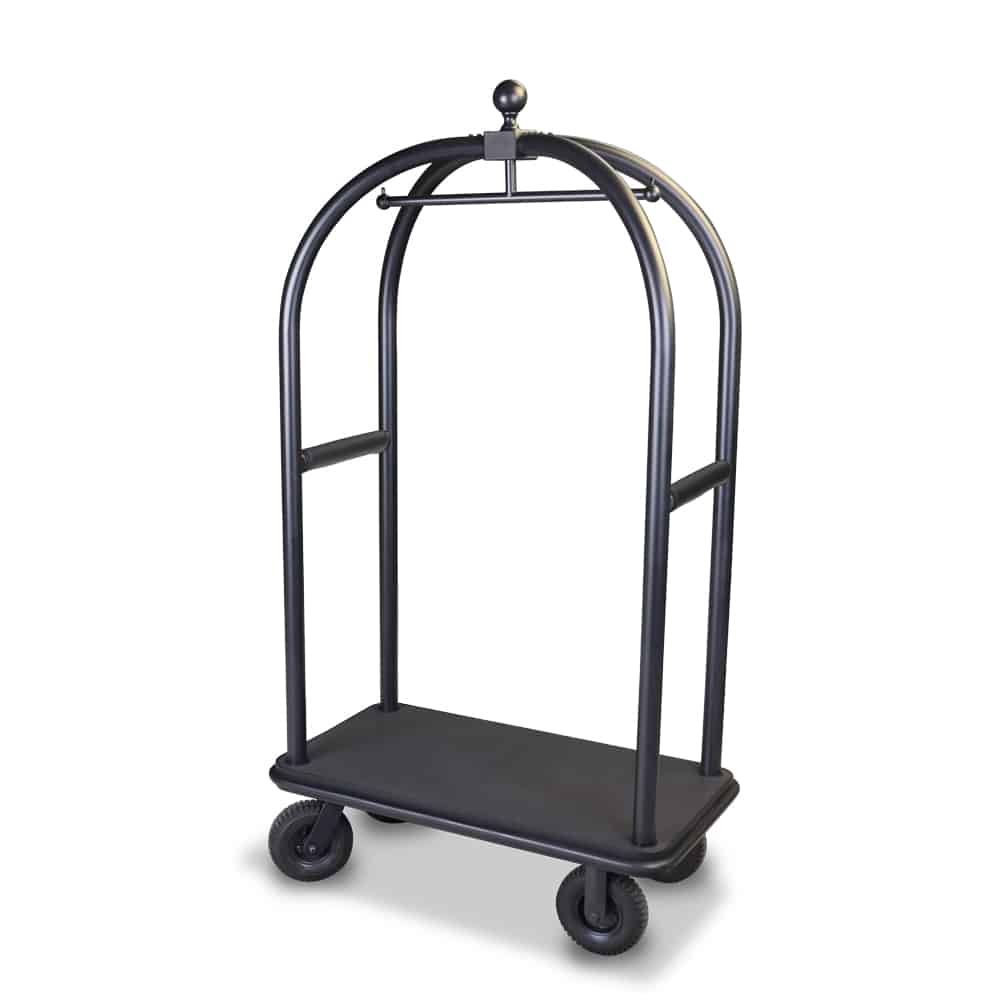
Recommendation: For most hotel luggage carts, 4–5 inch wheels provide the best balance of floor protection, rolling ease, and load capacity.
Caster Types: Swivel vs Rigid
Swivel Casters
- Rotate 360° for maximum maneuverability
- Essential for tight hallways and elevators
- Recommended configuration: 2 swivel + 2 rigid for most carts
Rigid (Fixed) Casters
- Fixed direction for straight-line stability
- Better for long straight runs
- Often paired with swivel casters for optimal handling
Optimal configuration: 2 swivel casters on one end, 2 rigid casters on the other. This provides both maneuverability and tracking stability.
The Interchangeable Wheel Advantage
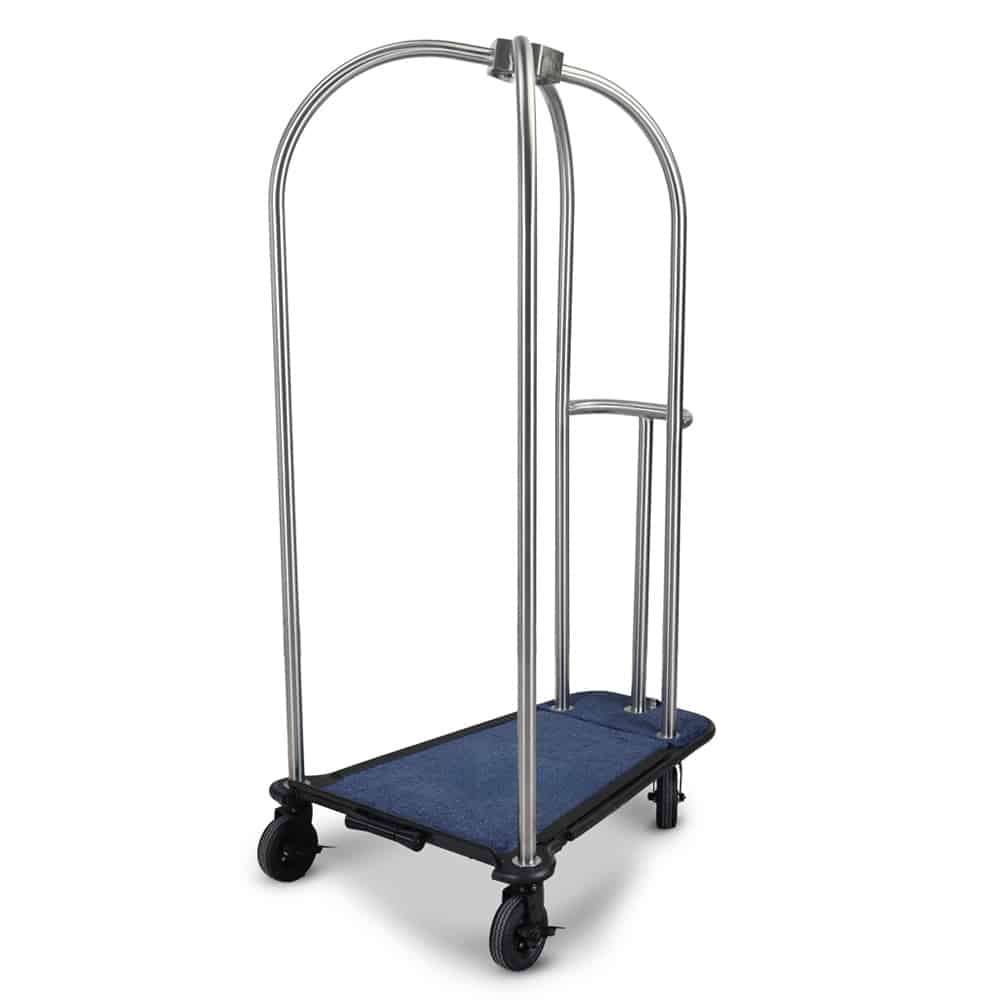
Modern hotel carts offer tool-free, interchangeable wheels. This is a game-changer for properties with multiple floor types:
- Marble lobby + carpet hallways: Swap wheels based on route
- Indoor + outdoor use: Use polyurethane for outdoor, soft rubber for indoor
- Worn wheel replacement: Replace just the wheel, not the entire cart
- Seasonal changes: Adjust wheels for different conditions
ROI of interchangeable wheels: Extends cart lifespan by 3–5 years and eliminates the need for multiple specialized cart fleets.
Wheel Maintenance for Maximum Lifespan
| Frequency | Maintenance Task |
|---|---|
| Daily | Quick visual check for debris and damage |
| Weekly | Clean wheel surfaces with damp cloth |
| Monthly | Inspect for wear, check caster movement |
| Seasonally | Deep clean, lubricate bearings (if applicable) |
Replace wheels when:
- Tread is visibly worn flat
- Wheels are cracking or chunking
- Floor marks appear during use
- Rolling becomes difficult or noisy
Frequently Asked Questions
What size wheels are best for hotel luggage carts?
4–5 inch wheels are ideal for most hotel luggage carts. This size handles carpet-to-hard-floor transitions, elevator thresholds, and typical hotel floor conditions without tipping or requiring excessive effort to push.
Can I use the same wheels on marble and carpet?
It’s not recommended. Soft rubber wheels that protect marble create too much friction on carpet, making carts hard to push. Polyurethane wheels work reasonably well on both, but for optimal performance, use interchangeable wheels matched to each floor type.
How often should hotel cart wheels be replaced?
With proper maintenance, quality wheels last 3–5 years in typical hotel use. Wheels on carts used outdoors or on rough surfaces may need replacement every 1–2 years. Regular inspection helps catch wear before it damages floors.
Why are my cart wheels leaving marks on the floor?
Common causes include: (1) Wrong wheel material for the floor type, (2) Worn wheels exposing harder material underneath, (3) Debris embedded in wheels, (4) Wheels that are too hard for the floor surface. Switch to appropriate soft rubber wheels and ensure regular cleaning.
What’s the difference between a wheel and a caster?
A wheel is the round component that rolls on the surface. A caster is the complete assembly that holds the wheel and allows it to rotate or swivel. When replacing, you may need just the wheel or the entire caster depending on your cart’s design.
Are locking wheels necessary for hotel carts?
Yes, for safety. At minimum, carts should have two locking casters to prevent rolling when parked on inclines or during loading. This is especially important for dining carts and luggage carts used on sloped driveways.
Protect Your Floors and Your Investment
Choosing the right wheels for your hotel carts isn’t just about equipment—it’s about protecting your property’s floors, ensuring guest satisfaction, and maximizing the lifespan of your investment.
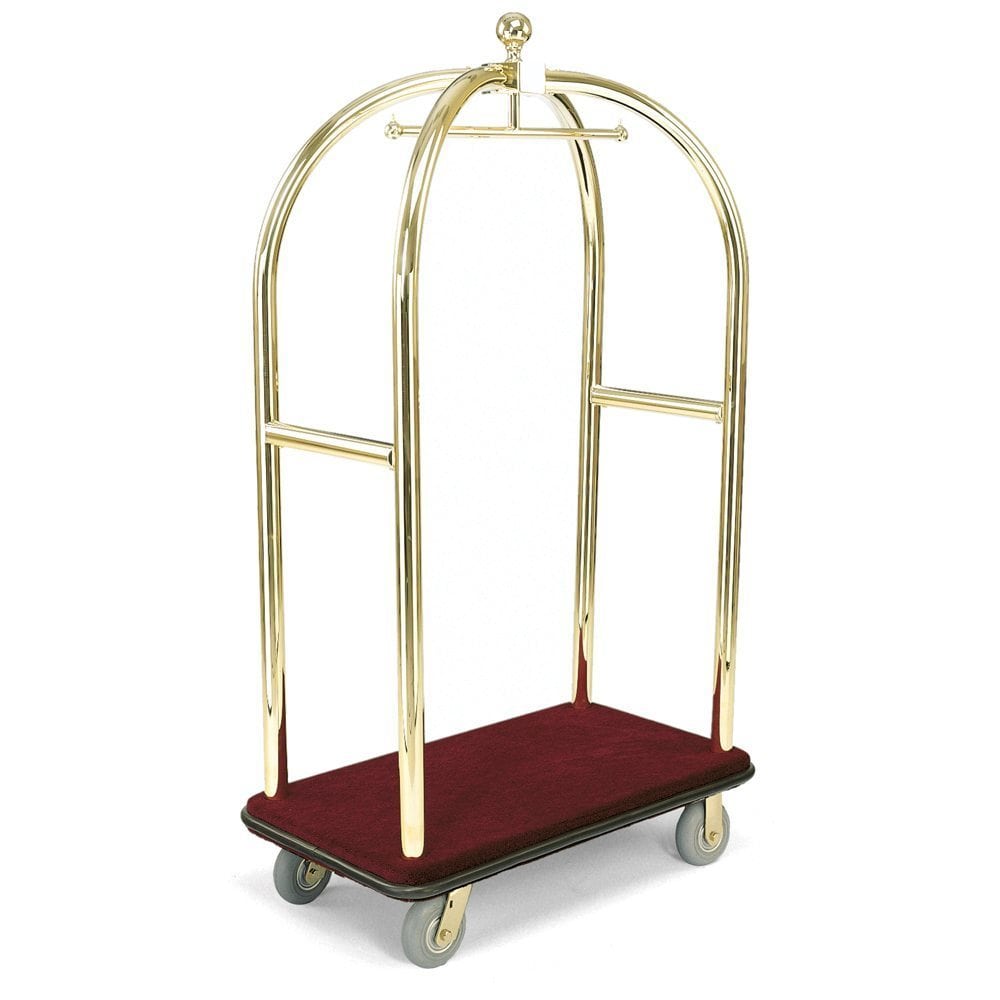
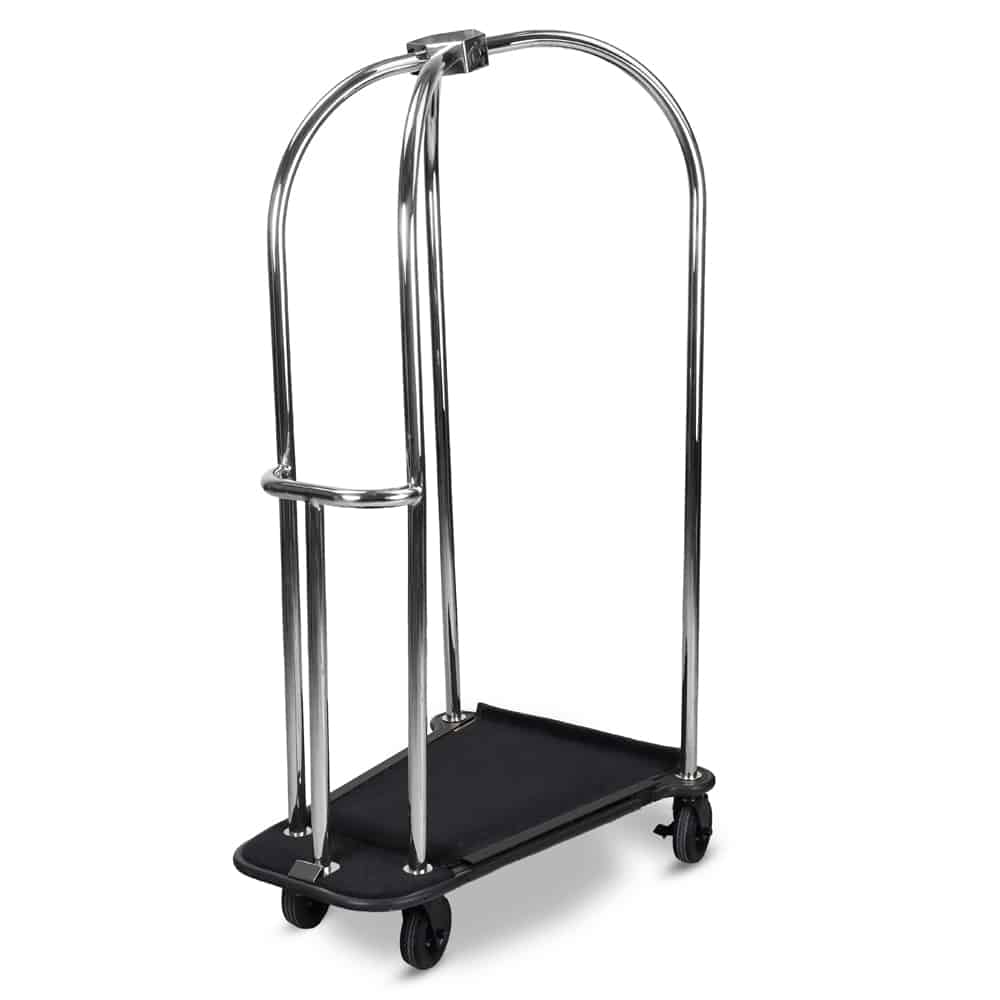
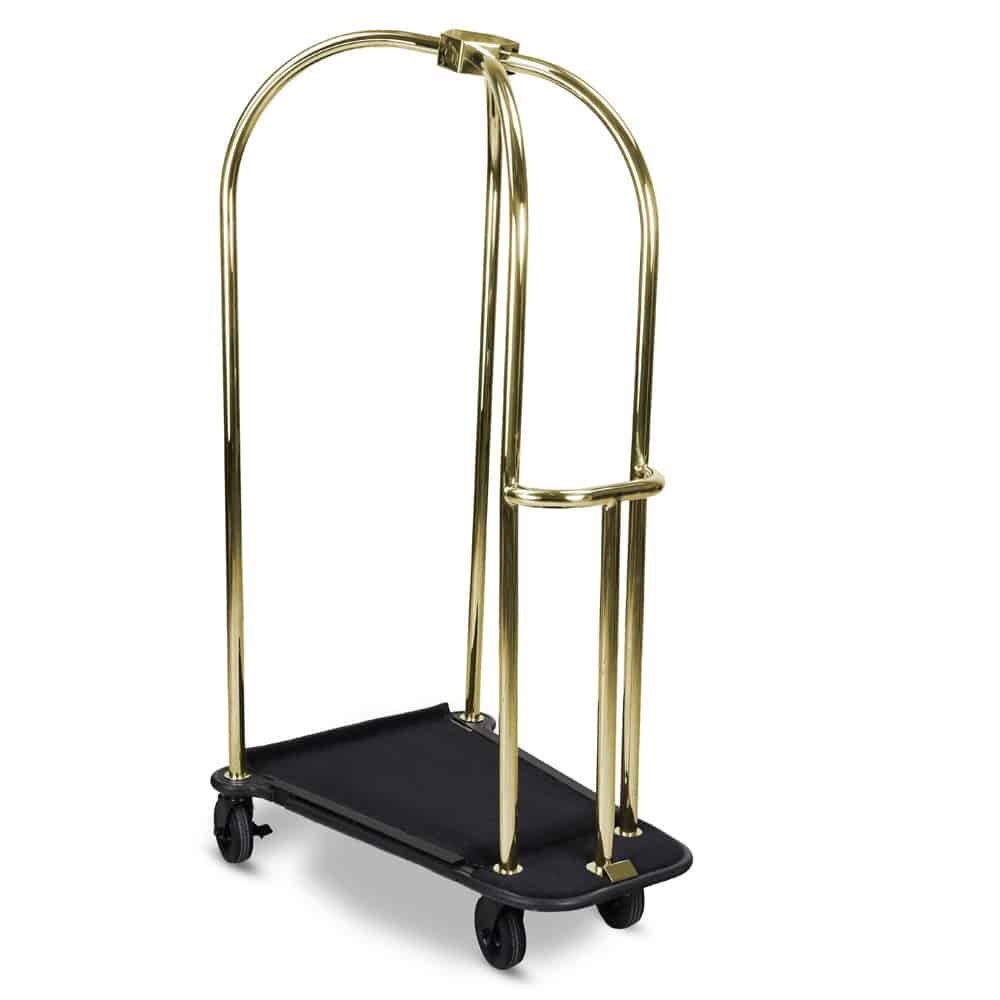
At Aukron, all our hotel carts feature interchangeable wheels with options for soft rubber, polyurethane, and specialized floor types. Protect your floors, extend your equipment life, and ensure silent, smooth operation with wheels matched to your property’s specific needs.