Last Updated: March 2026 | Reading Time: 9 minutes
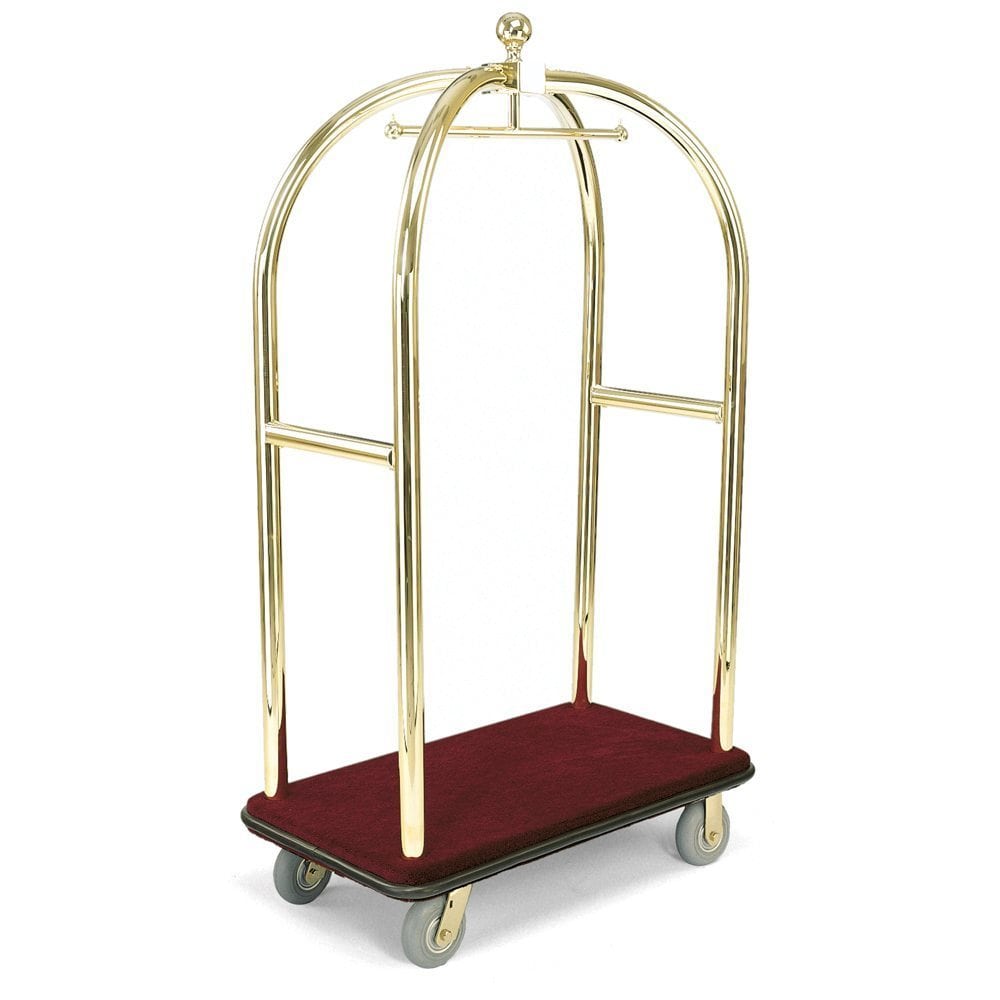
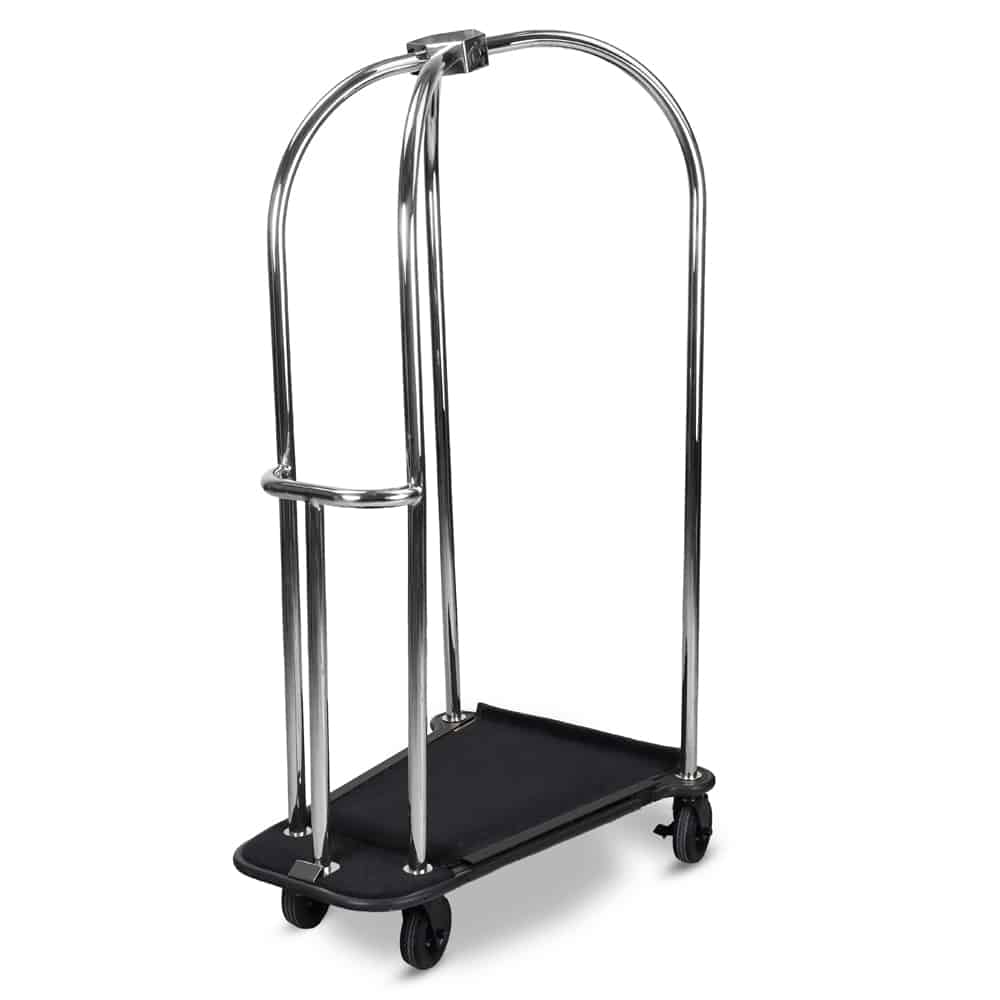
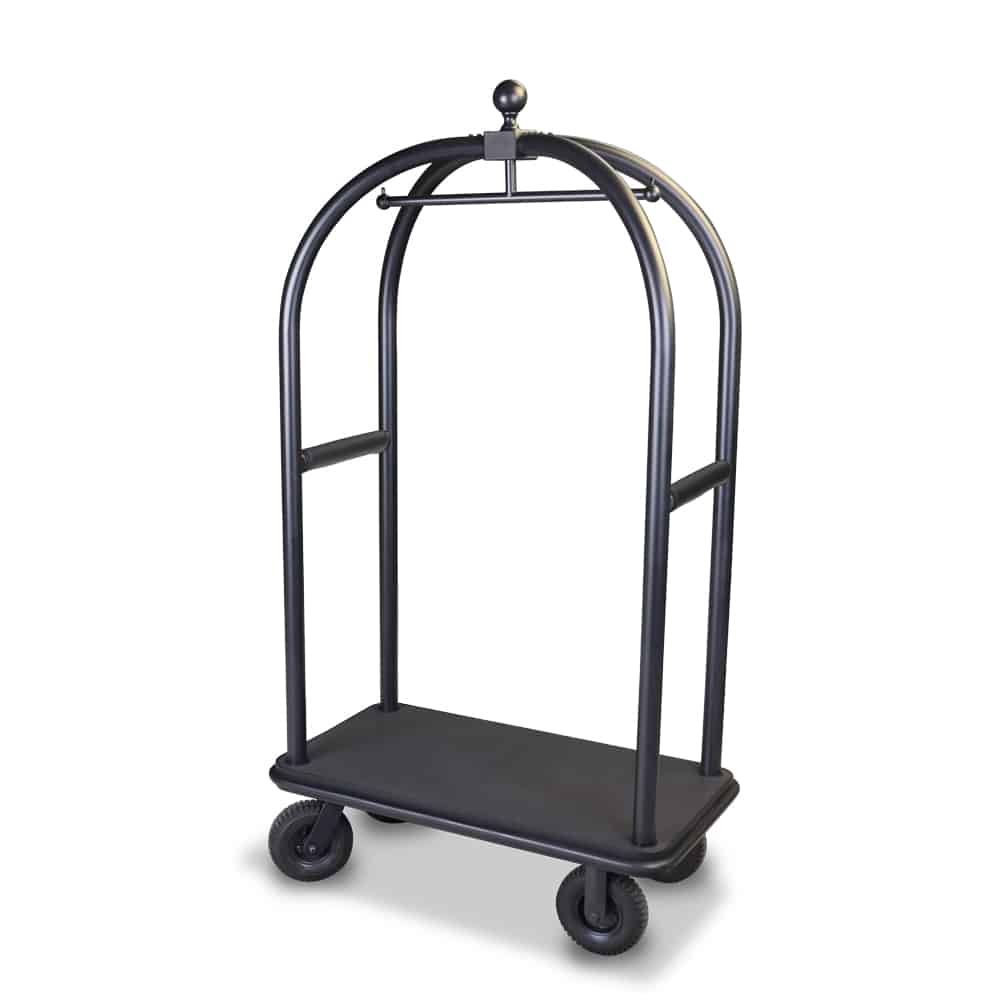
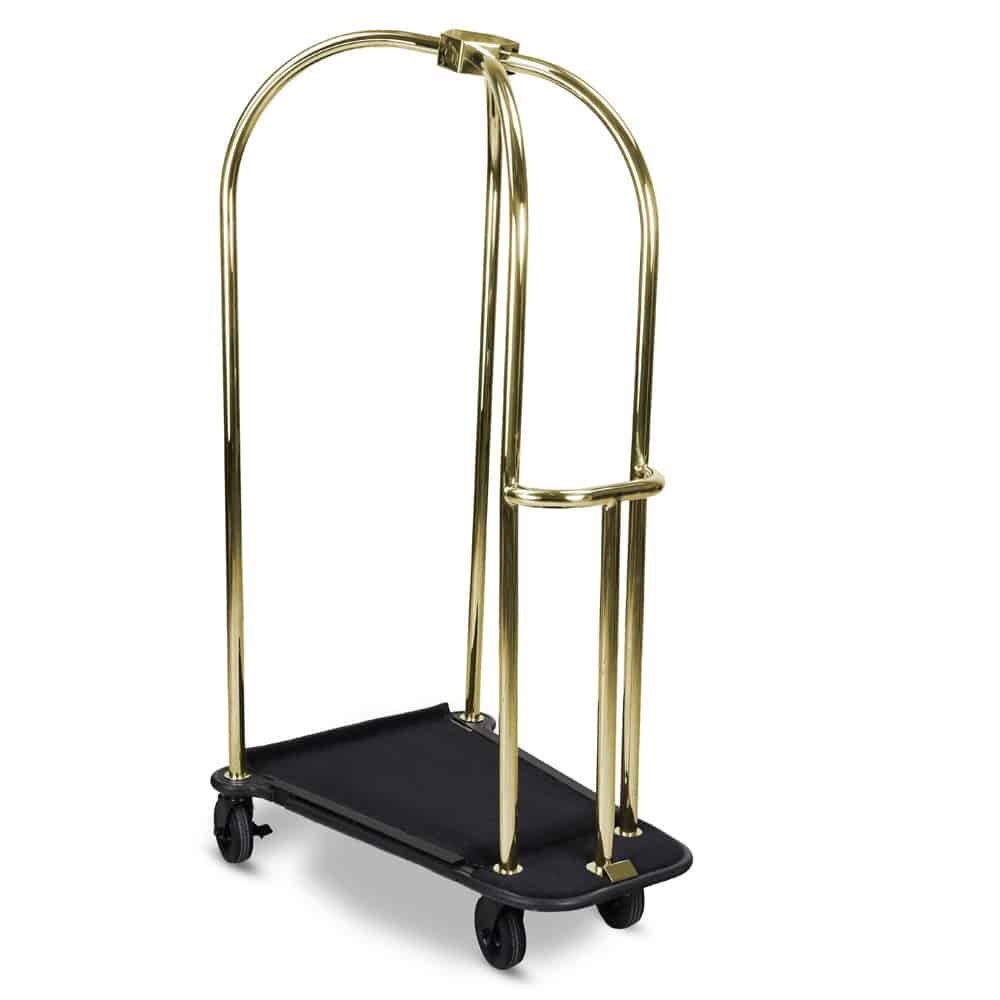
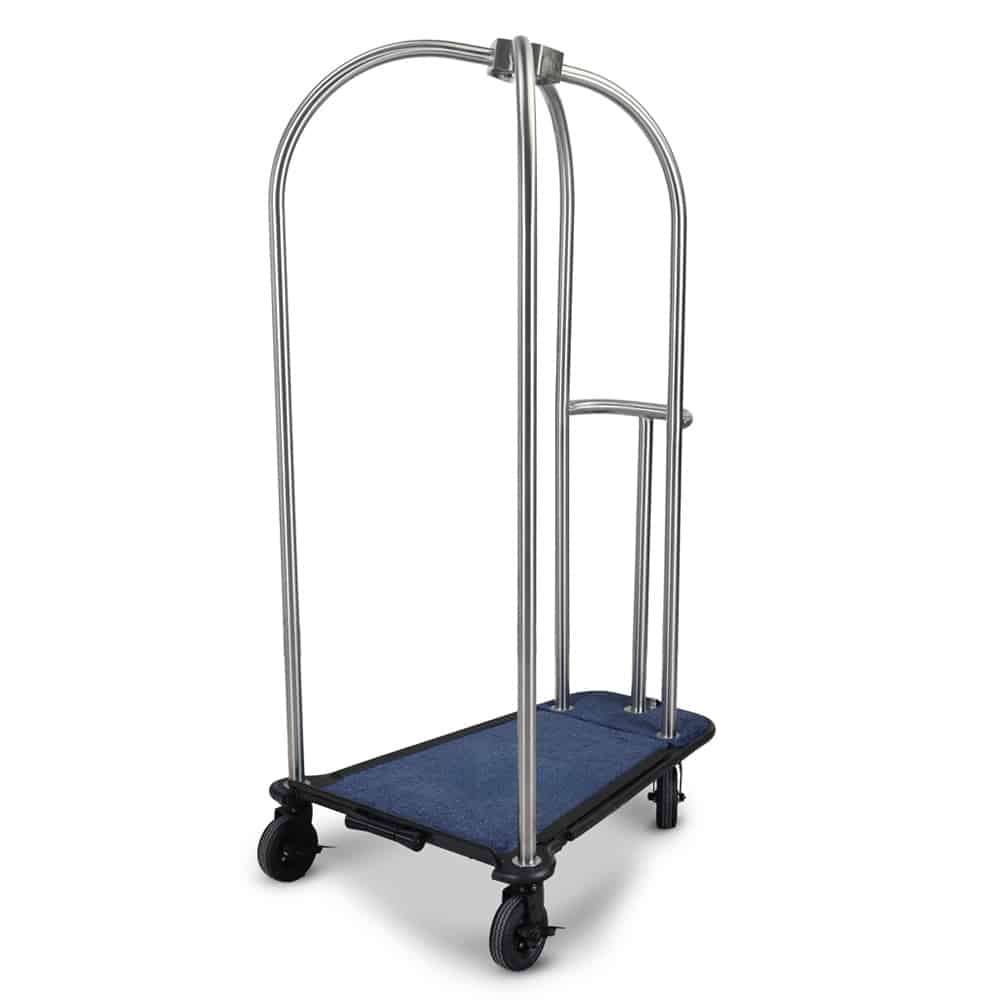
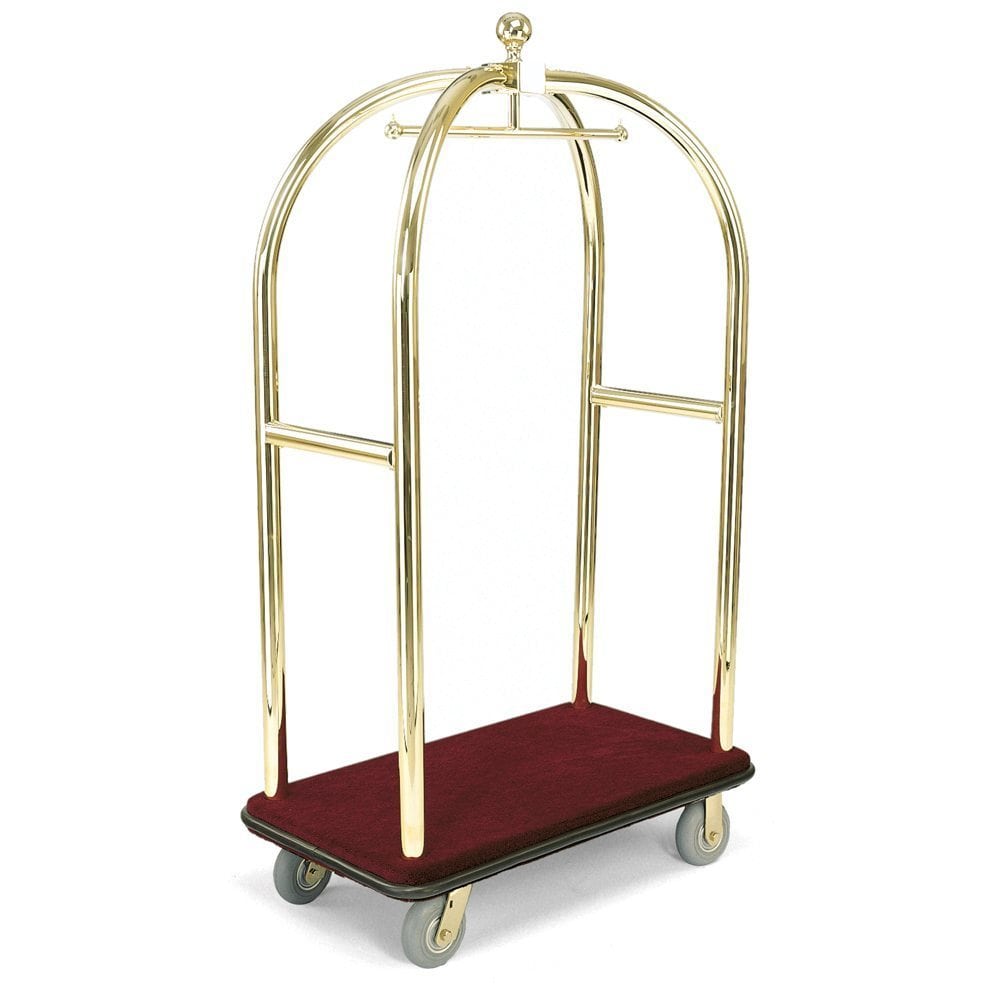
A hotel luggage cart is one of the hardest-working pieces of equipment in your property. It gets pushed, pulled, loaded, and unloaded hundreds of times per week. Yet most hotels treat it as a “buy and forget” item—until something breaks, floors get scratched, or guests complain.
The truth? A well-maintained commercial-grade cart can last 15+ years. A neglected one? You’ll be replacing it in 3. The difference is a simple, consistent maintenance routine that takes less than 10 minutes per cart per week.
This guide gives you everything you need: daily, weekly, monthly, and seasonal checklists, plus troubleshooting tips and replacement part guidance.
Why Maintenance Matters (The Numbers)
| Metric | With Maintenance | Without Maintenance |
|---|---|---|
| Average lifespan | 12–15+ years | 2–5 years |
| Wheel replacement frequency | Every 3–5 years | Every 1–2 years |
| Minimal | Frequent (worn wheels, rust marks) | |
| Guest complaints (cart-related) | Near zero | 2–5 per year |
| 10-year total cost (per cart) | $500–$700 | $1,200–$2,000+ |
| Staff time lost to breakdowns | Virtually none | 10–20 hours/year |
The ROI of maintenance is clear: 10 minutes a week saves you thousands of dollars and protects your guest experience.
Daily Maintenance (2 minutes per cart)
Daily care is fast and simple. Assign it to your front desk or bellman team as part of their shift routine.
✅ Daily Checklist
| Task | How | Why |
|---|---|---|
| Wipe down frame | Damp cloth, mild soap if needed | Removes dirt, fingerprints, spills that cause corrosion |
| Clean wheel surfaces | Quick wipe or brush | Removes debris that can scratch floors or cause uneven rolling |
| Check for visible damage | Visual inspection | Catch bent frames, loose bolts, or cracked shelves early |
| Remove debris from shelf surfaces | Brush or cloth | Prevents luggage damage and keeps appearance professional |
💡 Pro tip: Keep a small cleaning kit near the cart storage area—a microfiber cloth, mild detergent spray, and a small brush. Making supplies accessible increases compliance.
❌ What NOT to Do Daily
- ❌ Don’t use bleach, ammonia, or harsh chemicals—these strip protective coatings
- ❌ Don’t power-wash or hose down carts—water gets into wheel bearings
- ❌ Don’t use abrasive pads or steel wool—these scratch powder-coated finishes
- ❌ Don’t ignore small issues—a squeaky wheel today is a replacement tomorrow
Weekly Maintenance (5 minutes per cart)
Weekly checks go beyond surface cleaning. This is where you catch problems before they become expensive failures.
✅ Weekly Checklist
| Task | How | Why |
|---|---|---|
| Test all wheels | Push cart in a straight line and in circles | Detects worn wheels, misalignment, or bearing issues |
| Check for wheel wobble | Spin each wheel by hand | Identifies loose casters or worn bearings |
| Inspect caster housings | Look for cracks, debris buildup | Debris causes uneven rolling and floor damage |
| Tighten accessible bolts | Wrench or screwdriver | Vibration loosens fasteners over time |
| Check handle grip | Visual and tactile test | Worn grips reduce control and safety |
| Check tension and attachment | Loose straps are a safety hazard for luggage |
🔧 Weekly Troubleshooting Quick Reference
| Symptom | Likely Cause | Action |
|---|---|---|
| Cart pulls to one side | Misaligned or worn wheel | Check caster mounting; replace if damaged |
| Squeaking noise | Dry bearing or debris | Clean caster; lubricate if applicable |
| Rattling sound | Loose bolt or component | Tighten all fasteners |
| Wheel marks on floor | Worn wheel or wrong wheel type | Replace wheel or swap to floor-appropriate type |
| Cart feels unstable | Bent frame or uneven wheels | Inspect frame; replace worn wheels |
| Handle feels slippery | Worn grip covering | Replace grip tape or handle cover |
Monthly Maintenance (10 minutes per cart)
Monthly maintenance is your deep-check routine. This is where you assess overall cart health and plan for replacements before emergencies happen.
✅ Monthly Checklist
| Task | How | Why |
|---|---|---|
| Full structural inspection | Check every weld, joint, and connection point | Early detection of frame fatigue prevents failure |
| Compare to new wheel thickness | Track wear rate to predict replacement timing | |
| Test weight capacity feel | Load with typical weight; check for flex | Frame flex indicates weakening |
| Inspect brake mechanisms | Test all wheel locks | Non-functioning brakes are a safety hazard |
| Check powder coating / finish | Look for chips, rust spots, peeling | Exposed metal corrodes quickly in humid environments |
| Review folding mechanisms | (Folding carts only) Test latch and hinge | Ensures reliable deployment and secure locking |
| Log cart condition | Record in maintenance log | Track fleet health over time |
📝 Maintenance Log Template
Keep a simple log for each cart. Here’s a suggested format:
| Date | Cart ID | Condition (1–10) | Issues Found | Action Taken | Next Check |
|---|---|---|---|---|---|
| 2026-03-01 | Cart #1 | 9 | None | Routine cleaning | 2026-04-01 |
| 2026-03-01 | Cart #2 | 7 | Front wheel worn | Ordered replacement | 2026-03-15 |
| 2026-03-01 | Cart #3 | 8 | Minor paint chip | Touch-up paint applied | 2026-04-01 |
Seasonal Maintenance (30–60 minutes per cart)
Seasonal maintenance is your comprehensive overhaul. Do this quarterly or at least twice a year—typically before and after peak tourist seasons.
✅ Seasonal Checklist
| Task | Details |
|---|---|
| Deep clean all surfaces | Disassemble accessible parts; clean thoroughly with mild detergent |
| Lubricate wheel bearings | Use silicone-based or lithium grease (check manufacturer guidelines) |
| Inspect all welds | Look for hairline cracks, especially at stress points |
| Touch up paint / coating | Apply matching touch-up paint to any chips or scratches |
| Test folding mechanism | (Folding carts) Full cycle test 10+ times; check latch alignment |
| Replace worn parts | Swap wheels, grips, straps, or bumpers showing significant wear |
| Assess fleet needs | Decide if any carts need retirement or if you need additional units |
🛠️ Recommended Replacement Schedule
| Part | Replace When | Typical Lifespan |
|---|---|---|
| Wheels / casters | Tread worn flat, cracking, or causing floor marks | 3–5 years (varies by floor type and usage) |
| Handle grip | Worn smooth, torn, or slippery | 2–4 years |
| Luggage straps / bars | Frayed, stretched, or buckle damaged | 3–5 years |
| Cracked, detached, or worn through | 4–6 years | |
| Shelf liner / carpet | Torn, stained beyond cleaning, or worn thin | 3–5 years |
| Folding latch / hinge | Difficult to operate, doesn’t lock securely | 8–12 years (commercial-grade) |
Floor-Specific Maintenance Tips
Your maintenance routine should adapt to your property’s flooring:
| Floor Type | Wheel Care Priority | Extra Steps |
|---|---|---|
| Marble / Granite | Check for embedded debris daily | Replace wheels at first sign of hardening; even tiny debris can scratch stone |
| Hardwood | Monitor for wheel hardening | Use soft rubber wheels only; avoid any chemical exposure to floors |
| Clean hair and fiber buildup from wheels | Fibers wind around caster axles; remove weekly with tweezers or small knife | |
| Ceramic / Tile | Check for chips on tile edges | Inspect grout lines for wear from cart edges; use bumper guards |
| Outdoor / Concrete | Clean after outdoor use | Remove gravel and grit before bringing carts indoors; switch to polyurethane wheels |
Common Mistakes That Destroy Hotel Carts
Most cart damage comes from a handful of bad habits. Train your staff to avoid these:
🚫 Mistake 1: Overloading
Problem: Stacking 5+ heavy suitcases on a cart rated for 200 lbs.
Result: Frame bending, weld failure, wheel damage.
Fix: Post weight guidelines near cart storage; train staff on load limits.
🚫 Mistake 2: Using Carts Outdoors (Wrong Wheels)
Problem: Pushing an indoor soft-rubber cart across gravel or asphalt.
Result: Wheel destruction within weeks, costly replacements.
Fix: Use carts with interchangeable wheels; swap to polyurethane for outdoor use.
🚫 Mistake 3: Ignoring Squeaks and Wobbles
Problem: “It still works” mentality.
Result: Minor issue becomes major failure; guest complaints; floor damage.
Fix: Address any noise or handling issue within 48 hours.
🚫 Mistake 4: Storing Carts Wet
Problem: Carts stored after exposure to rain or cleaning without drying.
Result: Rust, corrosion, bearing damage.
Fix: Always dry carts before storage; ensure storage area is dry and ventilated.
🚫 Mistake 5: Using Wrong Cleaning Products
Problem: Bleach, degreasers, or abrasive cleaners on powder-coated frames.
Result: Finish degradation, rust exposure, voided warranty.
Fix: Use only mild detergent and water; refer to manufacturer guidelines.
Training Your Staff
Maintenance only works if your team actually does it. Here’s how to build a culture of cart care:
| Training Element | Implementation |
|---|---|
| Onboarding | Include cart care in new hire orientation (15 minutes) |
| Visual guides | Laminate the daily checklist and post it near cart storage |
| Cleaning kit | Keep supplies at the storage point—reduces friction |
| Assign ownership | Name one person per shift as “cart captain” |
| Monthly audit | Manager reviews maintenance log monthly |
| Positive reinforcement | Recognize staff who consistently maintain equipment |
When to Replace vs Repair
Not every problem requires a new cart. Use this decision matrix:
| Issue | Repair | Replace |
|---|---|---|
| Worn wheels | ✅ Replace wheels ($20–$60) | ❌ |
| Worn handle grip | ✅ Replace grip ($10–$20) | ❌ |
| ✅ Tighten or replace bolt | ❌ | |
| Minor paint chip | ✅ Touch-up paint ($5) | ❌ |
| Broken weld | ❌ | ✅ Weld failure indicates frame fatigue |
| Visible frame bending | ❌ | ✅ Bent frames are a safety and liability risk |
| Multiple concurrent failures | ❌ | ✅ Cost of repairs exceeds cart value |
| Cart over 10 years old with major issue | ❌ | ✅ Lifecycle end; invest in new cart |
The golden rule: If repair cost exceeds 40% of a new cart, replace it. Your time and guest experience are worth more than saving an aging cart.
Frequently Asked Questions
How often should I replace luggage cart wheels?
Typically every 3–5 years for carts in daily use. Properties with abrasive floors (rough marble, textured tile) may need more frequent replacement. Properties with soft rubber wheels on smooth floors may get 5–7 years from a set.
Can I use WD-40 on cart wheels?
No. WD-40 is a solvent, not a long-term lubricant. It can attract dust and debris, accelerating bearing wear. Use silicone-based or lithium grease instead. If WD-40 is all you have in an emergency, clean it off and apply proper lubricant as soon as possible.
How do I remove rust spots from my cart frame?
For light surface rust: clean with a wire brush, apply rust converter, then touch up with matching powder coat paint. For deep rust or structural corrosion: consult your supplier—this may indicate the cart needs replacement.
Should I store carts indoors or outdoors?
Always indoors if possible. Outdoor storage exposes carts to moisture, temperature extremes, and UV radiation—all of which accelerate deterioration. If outdoor storage is unavoidable, use weatherproof covers and inspect carts more frequently.
Can I pressure-wash my hotel carts?
No. High-pressure water forces moisture into wheel bearings, frame joints, and any crevices, causing internal corrosion and bearing failure. Always use a damp cloth or low-pressure hose at most.
What’s the single most important maintenance task?
Keeping wheels clean. Debris-covered wheels are the #1 cause of floor damage, uneven rolling, and premature wheel failure. A 30-second wheel check during daily cleaning prevents 80% of common cart problems.
Downloadable Quick Reference
Print this summary and post it in your cart storage area:
📅 Daily (2 min)
- ☐ Wipe frame with damp cloth
- ☐ Clean wheel surfaces
- ☐ Quick visual check for damage
📅 Weekly (5 min)
- ☐ Push test — straight line + circles
- ☐ Spin each wheel — check for wobble
- ☐ Clean caster housings
- ☐ Tighten accessible bolts
- ☐ Check handle grip & straps
📅 Monthly (10 min)
- ☐ Full structural inspection
- ☐ Measure wheel wear
- ☐ Test weight load feel
- ☐ Check brakes
- ☐ Inspect finish for chips/rust
- ☐ Log condition (1–10)
📅 Seasonally (30–60 min)
- ☐ Deep clean + disassemble parts
- ☐ Lubricate bearings
- ☐ Inspect all welds
- ☐ Touch up paint
- ☐ Test folding mechanism
- ☐ Replace worn parts
- ☐ Assess fleet needs
Protect Your Investment
A commercial-grade hotel luggage cart is a significant investment—one that pays for itself many times over with proper care. The difference between a cart that lasts 3 years and one that lasts 15 isn’t luck. It’s 10 minutes a week of consistent maintenance.
At Aukron, our carts are engineered for easy maintenance. Features like interchangeable wheels and commercial-grade finishes make routine care simple and cost-effective. We also stock replacement parts so you can keep your fleet running without buying entirely new carts.
Need replacement parts, maintenance advice, or a fleet assessment?
👉 Browse Replacement Parts & Accessories →
Keep your carts rolling, your floors spotless, and your guests impressed. Regular maintenance isn’t a chore—it’s the smartest operational decision you can make for your fleet.