Picture this: you swipe your key card, push open the heavy hotel door, and step into a room that smells faintly of citrus and fresh linen. The bed looks so inviting you could flop straight onto it, the bathroom gleams like a five-star spa, and there’s even a tiny chocolate on the pillow. That “how-do-they-do-it?” magic isn’t elves—it’s the housekeeping squad, the backstage rock stars of hospitality. Their duties & responsibilities of hotel housekeeping staff explained here will show you why every perfectly fluffed towel is part physics, part psychology, and 100 % guest satisfaction.
Whether you’re a traveler who wants to know why the minibar fairy restocks your kettle, a student eyeing a summer gig, or a manager trying to cut linen-replacement costs without cutting corners, understanding these behind-the-scenes moves is pure gold. Stick around and you’ll learn the step-by-step choreography of room cleaning, the ninja-level safety rules, the spreadsheets that track how many pillowcases vanish each week, and the surprisingly dramatic art of removing red-wine stains from white duvets—plus how all of it shapes hotel ratings and your future Instagram review.
Core Daily Duties of Hotel Housekeeping Staff
Think of the morning shift as opening a giant box of Russian nesting dolls: every task hides three smaller tasks inside. The goal? Make yesterday’s chaos look like no human has ever touched the space.
Guest Room Cleaning: Step-by-Step Process
Pros follow a “top-to-bottom, dry-to-wet” rule so dirt never takes the elevator downstairs. Start by flinging open curtains—sunlight is the cheapest disinfectant known to man. Strip the bed while humming whatever song is stuck in your head (scientists call this “music-mediated productivity,” we call it staying sane). Dust ceiling fans first, then furniture, then baseboards; gravity is undefeated. Only after vacuuming do you mop, otherwise you’re basically making mud pies on tile.
Changing Linens and Making Beds
Hospital corners are the origami of housekeeping: crisp, tight, and guaranteed to impress your mother-in-law. Rotate mattresses monthly—like rotating car tires, it prevents saggy life choices. Pro tip: fold the duvet in thirds and “letter-fold” it at the foot so guests can peel it back like a fancy chocolate wrapper.
Restocking Guest Amenities and Supplies
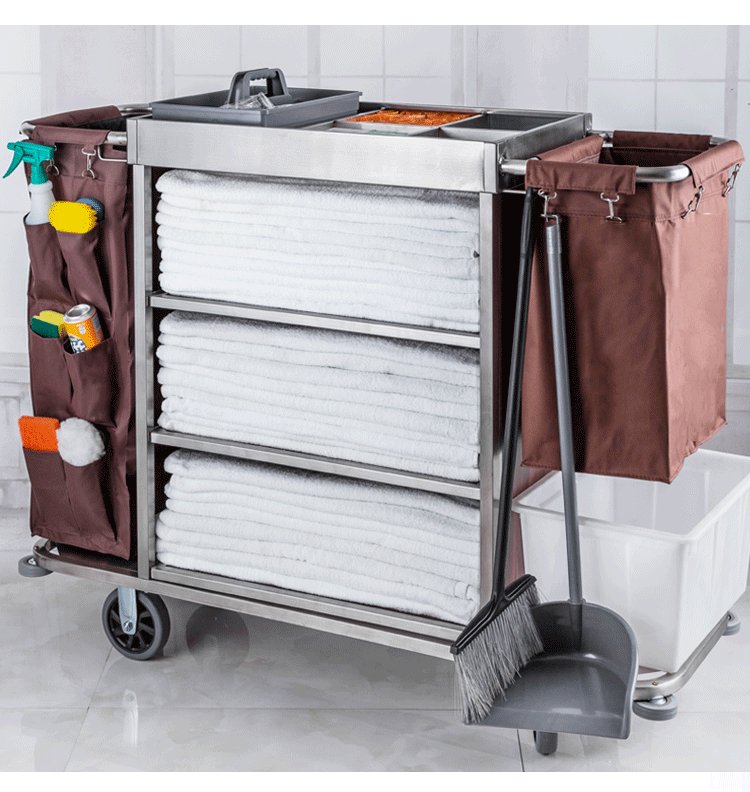
Ever notice how the coffee pouch always contains exactly one sad sugar packet? Inventory software decides that. Housekeepers load their carts with par-level amounts: two coffees, two sugars, two creams, one decaf for the rebel. Miss the par and you’ll hear about it in a one-star rant titled “No caffeine, no civilization.”
Tidying Public Areas (Lobbies, Hallways)
These spaces are the hotel’s handshake. Vacuum in inverted-V patterns so carpet fibers stand up like soldiers. Wipe elevator buttons with disinfectant—the CDC swabs them as germ capitals, right after your phone screen. Arrange magazines in symmetrical stacks; humans find symmetry soothing, a trick we borrowed from luxury spas and possibly IKEA.
Key Responsibilities for Guest Safety and Comfort
Clean is good, safe is better. Housekeepers moonlight as unofficial security guards, maintenance spotters, and therapists with a towel cart.
Maintaining High Hygiene and Sanitation Standards
Post-pandemic travelers are basically Sherlock Holmes with black-light wands. Staff use EPA-approved disinfectants on high-touch points: remotes, door handles, toilet flushers. They color-code cloths—blue for mirrors, red for toilets—because cross-contamination is the villain in this Marvel movie.
Respecting Guest Privacy and Security
“Do Not Disturb” signs are tiny treaties. Knock three times, announce “Housekeeping,” then wait seven seconds—long enough to sing the chorus of “Stayin’ Alive,” which coincidentally is also the CPR rhythm recommended by the American Heart Association. Entering too soon can turn into a very awkward TikTok.
Responding to Guest Requests and Special Needs
Need hypoallergenic pillows? A crib that doesn’t look like 1975? Staff coordinate with the front desk faster than you can say “allergy attack.” They also log requests in the PMS (Property Management System) so the next stay is pre-customized—hospitality’s version of Netflix recommendations.
Reporting Maintenance Issues and Damages
That flickering light could be a loose wire, or it could be the opening scene of The Towering Inferno. Housekeepers snap a photo, tag the room in the app, and boom—maintenance gets an alert before you can even tweet “fire hazard.”
Cleaning and Maintenance Procedures
Deep cleans are the hotel’s annual physical: invasive, necessary, and slightly embarrassing.
Detailed Room Cleaning Checklists
Checklists are cheat sheets for perfection. They list 60-plus items, including “wipe inside drawer bottoms” and “describe suspicious stains for CSI team.” Digital checklists time-stamp each swipe so managers know whether someone cut corners or just had a 37-second existential crisis.
Deep Cleaning and Turnover Procedures
Every quarter, rooms get the full spa treatment: carpets steam-cleaned, drapes laundered, headboards pulled out to reveal the lost civilization of popcorn kernels. Turnover days between group bookings mean entire floors shut down like crime scenes—yellow tape optional.
Care and Maintenance of Cleaning Equipment
Neglected vacuums lose suction faster than a toddler drops broccoli. Filters get washed weekly, and cords are inspected for frays. Fun fact: a vacuum with a clogged filter can increase energy use by 20 %, which is like paying extra to push dirt around.
Waste Disposal and Recycling Protocols
Housekeepers separate glass, cardboard, and “what on earth is this?” They double-bag diapers and anything biohazard, then slingshot it into lined bins. Many hotels now partner with EPA-approved recyclers, turning yesterday’s newspapers into tomorrow’s coffee trays—circle of life, Simba.
Inventory and Resource Management
If you’ve ever played Tetris, you get the idea: fit the right blocks (towels, toilet paper, tiny shampoo bottles) into finite space without triggering Game Over.
Managing Linens, Towels, and Uniforms
Par levels again: 3 sets per room (one on bed, one in laundry, one on shelf). RFID chips sewn into linens track how many wash cycles they’ve endured—like a Fitbit for sheets. Once a towel hits 150 washes, it “retires” to the gym rag pile, proving laundry karma is real.
Monitoring and Replenishing Cleaning Supplies
Running out of disinfectant mid-shift is the housekeeping equivalent of a barista discovering the espresso machine is broken. Carts are restocked nightly using the “first-in, first-out” rule to prevent chemical expiration—yes, bleach has a birthday.
Reporting Inventory Shortages and Needs
Apps ping the purchasing department when stock dips below par. Some systems even auto-order, turning housekeepers into passive Amazon shoppers for industrial-grade degreaser.
Minimizing Waste and Controlling Costs
Ever notice the little card urging you to hang towels if you’re eco-friendly? It’s not just hippie talk—a 2019 study in Nature Sustainability showed that opt-in linen programs cut water use by 25 %. Translation: lower utility bills, happier polar bears, and management bonuses that hopefully trickle down to staff pizza parties.
Compliance with Health and Safety Regulations
OSHA (think of them as the hall monitors of the working world) loves hotels because we offer endless ways to slip, trip, or inhale chlorine gas. Compliance isn’t sexy, but neither is a lawsuit.
Adherence to OSHA Standards and Local Health Codes
Staff complete annual training on blood-borne pathogens, because sometimes rooms look like a scene from CSI: Miami. Gloves, goggles, and ventilation are non-negotiable—like wearing seatbelts, but for housekeeping.
Safe Handling and Storage of Cleaning Chemicals
Chemicals live in locked cages, labeled in English and hieroglyphic-style pictograms. Mixing bleach and ammonia creates chloramine gas, which is basically a World War I weapon—so we keep them apart like feuding celebrities.
Identifying and Mitigating Workplace Hazards
Wet-floor signs are dual-purpose: protect guests and document due diligence. Trip over one without a sign and the hotel foots the bill; with a sign, it’s “sorry about your pride, here’s a Band-Aid.”
Conducting Regular Safety Inspections
Monthly “room-safe” audits check for frayed cords, loose shower rods, and wobbly furniture. Think of it as Marie Kondo meets OSHA—if it sparks liability, it goes.
Interpersonal and Team Collaboration Skills
Housekeeping is a team sport where the ball is invisible and the scoreboard is TripAdvisor.
Effective Communication with Guests and Team Members
Radio etiquette matters: “10-4” is replaced by “copy that, room 712 needs extra pillows.” Multilingual cards help when “extra pillows” sounds like “existential pillows” in Google Translate.
Coordinating with Front Desk and Maintenance Departments
The front desk is air-traffic control; housekeeping is ground crew. If a guest checks out late, the desk radios to delay cleaning, preventing awkward “why are you in my shower?” moments.
Conflict Resolution and Professional Demeanor
Angry guest screams about a stray hair? Staff use the HEAT method: Hear, Empathize, Apologize, Take action. It’s like emotional judo—flip the anger into gratitude, then offer free breakfast.
The Importance of Teamwork in Housekeeping Operations
On busy days, veterans pair with rookies in buddy systems. It’s the difference between a 25-minute room and a 45-minute room—basically the housekeeping version of a gym spotter yelling “you got this!”
Problem-Solving and Emergency Handling
If housekeepers had a dollar for every “oops” they’ve seen, they’d own the hotel.
Protocol for Addressing Spills, Stains, and Accidents
Red wine on carpet: blot, don’t rub (rubbing spreads the crime scene). Apply club soda, then a specialized tannin remover. If all else fails, move the ottoman over it and pray.
Handling Lost & Found Items
Valuables go into sealed bags with bar-coded tags. Unclaimed items after 90 days? Staff auction or donate to charity—yes, someone once scored a Rolex for $50 because Mr. Business Traveler forgot it.
Responding to Guest Complaints Related to Cleanliness
Immediate room re-clean within 15 minutes, followed by a handwritten note and complimentary fruit basket. Studies show swift service recovery can boost guest loyalty by 30 %—turning Karens into evangelists.
Role in Emergency Situations (Fire, Medical Issues)
Staff are trained to guide guests to stairwells, carry emergency keys, and perform basic first aid. They’re the Navy SEALs of the hallway—minus the cool sunglasses.
Performance Metrics and Accountability
Numbers don’t lie, and neither does the guest who leaves a 2-star novel on Yelp.
Key Performance Indicators (KPIs): Room Turnover, Inspection Scores
Industry standard: 28–32 minutes per check-out room. Score below 90 % on surprise inspections and you’re in remedial training—like summer school, but with more bleach.
Quality Control and Room Inspections
Supervisors swipe surfaces with white gloves—partly for dust, partly for drama. Black-light wands reveal bodily fluids you’d rather not know about. Knowledge is power; ignorance is glowing.
Accountability for Property and Supplies
Each cart is inventoried at shift end. Lose a hairdryer and it’s deducted from paycheck or tracked down via RFID. Big Brother is watching, and he’s holding a lint roller.
Tips for Excelling and Career Advancement
Volunteer for deep-clean projects, learn the property-management software, and ask to cross-train in laundry. Rising to supervisor can happen within two years; BLS data shows median housekeeping supervisor pay is 25 % higher than room attendant rates—proof that dusting diligently can dust off financial woes.
Frequently Asked Questions (FAQ)
Q1: What are the most challenging aspects of hotel housekeeping?
Time pressure and physical strain. Cleaning 16 rooms in eight hours is like running a 10 K while playing Jenga with furniture.
Q2: What skills are essential for someone starting in hotel housekeeping?
Attention to detail, time management, and a smile that says “I absolutely love removing stranger’s hairs from bathtubs.”
Q3: How does housekeeping impact guest reviews and hotel ratings?
Cleanliness is the #1 factor cited in Phocuswright’s traveler surveys. One spotless stay can flip a 3-star to a 5-star faster than you can say “fluffy towel.”
Q4: What are the typical career progression paths in housekeeping?
Room attendant → floor supervisor → executive housekeeper → regional director. Some leap into facilities management or open boutique cleaning consultancies—yes, that’s a thing.
Q5: What safety certifications or training are recommended?
OSHA 10-hour hospitality card, CPR/First Aid, and the IEHA Certified Executive Housekeeper (CEH) credential if you’re eyeing the C-suite of clean.
Resources and Further Reading
Authoritative Websites & Associations:
American Hotel & Lodging Association (AHLA)
OSHA Hospitality Guidelines
International Executive Housekeepers Association (IEHA)
Recommended Training Programs and Certifications:
AHLA’s “Bloodborne Pathogens in Hospitality,” IEHA’s CEH program, and local community-college short courses in chemical handling.
Templates:
AHLA offers a free sample room-cleaning checklist and par-level inventory sheet—download, tweak, and pretend you invented them.
Conclusion
From the perfect hospital corner to the invisible swipe that kills norovirus on a door handle, the duties & responsibilities of hotel housekeeping staff explained in this guide prove one thing: cleanliness is a silent symphony, and housekeepers are the conductors wielding microfiber batons. Their work shapes first impressions, safeguards health, and quietly nudges guest satisfaction scores into the stratosphere.
So next time you toss your towel on the floor at 2 a.m., remember someone will be kneeling beside it at 9 a.m., armed with stain remover and a smile. Respect the craft, tip generously, and if you’re inspired to join their ranks, bring comfortable shoes, a strong back, and an even stronger sense of humor. The hotel universe spins on the axis of housekeeping—keep learning, keep polishing, and the galaxy will shine for every guest who walks through the door.