Picture this: it’s 6:00 a.m., the caterer is already pacing, and you’ve got 300 banquet chairs that need to migrate from a storage cage to a ballroom—three hallways, one elevator, and a set of loading-dock stairs away. Sound familiar? Moving mountains of chairs under the clock is the unsung cardio of every event crew, church volunteer, and rental-company rookie. Do it wrong and you’ll earn a one-way ticket to Scratch City (population: your chairs) and a complimentary lower-back spasm. Do it right and you’ll look like a logistics wizard who somehow bends space, time, and molded polypropylene. This guide is your spellbook: a step-by-step system for transporting banquet chairs quickly and safely so you can finish in record time—without needing an ice pack and an apology note.
1. Choosing the Right Equipment and Tools for Efficient Moving
Ever tried slicing a tomato with a butter knife? That’s what hauling chairs without the proper gear feels like. The right tool doesn’t just save minutes; it saves vertebrae.
1.1 Types of Hand Trucks and Dollies (Flat Deck, Furniture Dollies)
A flat-deck hand truck is the Swiss Army knife of chair moving: tip it back, stack, roll, repeat. Furniture dollies (those four-wheeled rectangles) shine when you pre-stack chairs and simply shimmy the whole bundle. Pro tip: look for models with rubberized edges—metal-on-metal screeches louder than a middle-school brass band.
1.2 Advantages of Specialized Chair Carts or Trucks
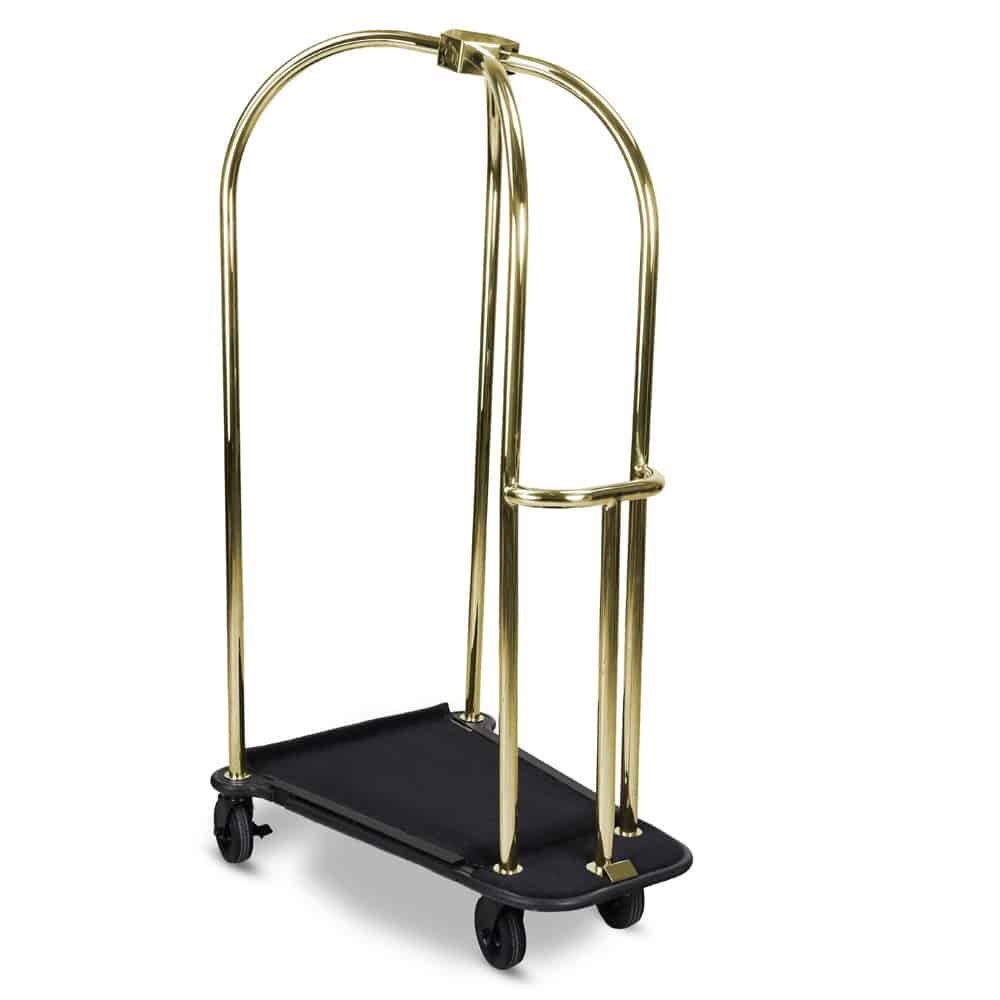
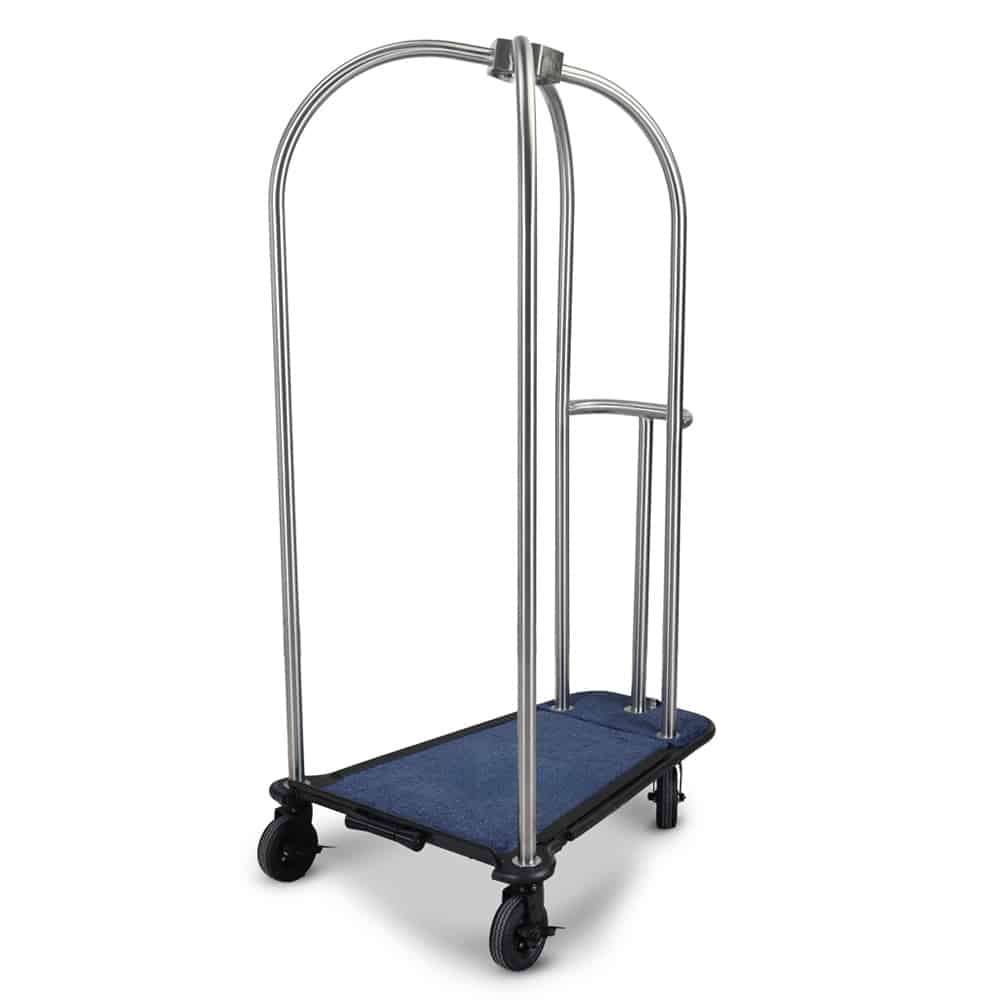
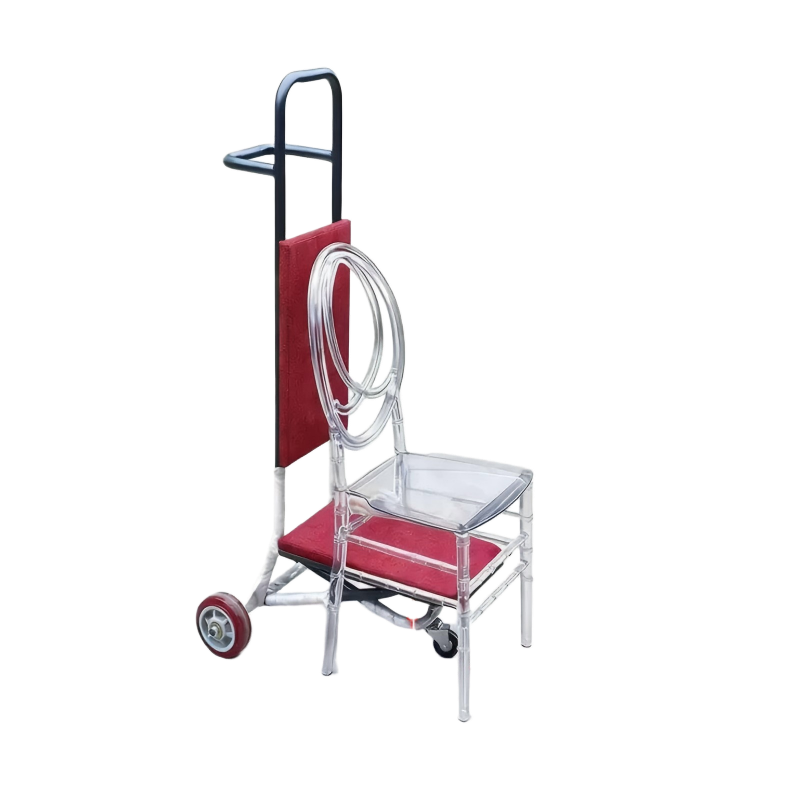
Chair carts—think of them as bookshelves on wheels—let you hang 30–50 folded chairs vertically. Because weight is distributed downward, you’re less likely to topple like a Jenga tower when you hit that inevitable door track. Rental companies such as The Home Depot Tool Rental stock them for roughly $30 a day, cheaper than a chiropractor.
1.3 Using Sliders or Skates for Smooth Floors
Got polished concrete or hardwood? Slap a set of plastic sliders under a short stack (4–6 chairs) and push. You’ll cut friction by up to 70 %, according to the CDC’s ergonomic guidelines, turning a two-person carry into a one-finger glide.
1.4 Vehicle Selection and Space Optimization (Cargo Vans vs. Trucks
Cargo vans swallow 180–220 folded chairs if you line the walls first, Tetris-style. Box trucks add height, but remember: every foot you climb without a ramp is an extra stair workout. Measure once, load twice—wait, reverse that.
1.5 To Rent or Buy: Evaluating Your Equipment Needs
Rule-of-thumb: if you move chairs more than six times a year, buying a $250 chair cart pays for itself in rental savings (and sanity) within 12 months. Otherwise, rent and spend the difference on better coffee for your crew—motivation matters.
2. Packing and Organizing Banquet Chairs for Transport
Chairs are like teenagers: in the right formation they’re angels; left unsupervised they scratch, dent, and rattle.
2.1 Proper Folding and Locking Techniques for Folding Chairs
Before stacking, ensure the cross-braces fully click. A half-latched chair can spring open mid-lift, turning your pinky finger into a guillotine candidate.
2.2 Best Practices for Stacking Chairs (Quantity, Orientation, Stability)
Plastic folding chairs: 12-high max. Resin or wood: 8-high. Anything taller and you’re basically building the Leaning Tower of Pisa on casters. Alternate chair orientation every second layer (seat to seat, legs to legs) to create self-locking corners.
2.3 Securing Chair Stacks with Straps or Ropes (Preventing Shifting and Scratches)
Use ratchet straps at two-thirds height and again near the legs. Cinch until snug, not Hulk-tight—over-tightening can bow plastic seats. Slip a folded moving blanket between strap and chair to avoid pressure dents.
2.4 Protective Measures: Chair Bags, Moving Blankets, and Bubble Wrap
Chair bags ($2 each) are basically parkas for your seats: zip, carry, done. For chiavari or upholstered chairs, add a blanket “burrito” around the top tier; it’s cheaper than apologizing to a bride about scuffed ivory paint.
2.5 Packing Considerations by Chair Material (Plastic, Metal, Wood, Upholstered)
Plastic tolerates temperature swings but cracks under point loads—no stacking beer kegs on top. Wood breathes but dents easily, so avoid bare strap contact. Metal frames can rust if you transport them wet; toss in a few desiccant packs if you’re hauling through rain.
3. Fast Moving Techniques and Ergonomic Practices
Speed without ergonomics is just a fast track to the ER.
3.1 Solo Carrying Techniques (How to Carry Multiple Chairs at Once)
The “double-decker” grip: interlace four folded chairs back-to-back, hug the stack to your torso, and keep elbows locked. Think of it as cradling a very square baby that weighs 40 lb.
3.2 Teamwork and Assembly Line Strategies for Group Moving
Station one loader at the cart, one runner to shuttle chairs, one stager at the vehicle. Rotate every 10 minutes to avoid the “gorilla arm” phenomenon—muscle fatigue that drops grip strength by 30 %, per OSHA.
3.3 Lifting with Your Legs: Ergonomic Postures to Prevent Injury
Keep the chair stack close, feet shoulder-width apart, chest forward, push through heels. Imagine you’re squatting over a public toilet—dignified, knees out, core engaged.
3.4 Navigating Challenging Terrain (Stairs, Ramps, Uneven Ground)
For stairs, tilt the chair cart back two clicks and pull, letting the bottom skid glide. On ramps, always stay downhill of the load—gravity is a terrible partner. If the ramp is wet, throw down a couple of rubber door mats for instant tread.
3.5 Maximizing Efficiency in Your Moving Path
Clear corridors before you start—one stray extension cord adds 30 seconds per trip. Multiply by 30 trips and you’ve bled 15 minutes, enough time to miss your coffee window. Priorities, people.
4. Optimized Loading and Unloading Strategies
Loading is 3-D Tetris; unloading is Jenga in reverse. Both reward planners.
4.1 Loading Order and Space-Maximizing Tips for Vehicles
Load heaviest stacks first, against the front wall (the “nose”). Build upward in stairstep layers so the center of gravity stays low. Fill voids sideways with loose chairs wrapped in blankets—think sandbags stabilizing a cargo ship.
4.2 Securing the Load for Transit (Using Dividers, Nets, and Padding)
Ratchet straps every 24 inches horizontally, cargo net over the top to stop “chair rain” when you brake. Slide pool noodles over strap edges to protect finishes; yes, you finally have a use for those 90s pool toys.
4.3 Efficient and Safe Unloading Procedures
Back the vehicle slightly uphill if possible; gravity now works with you. Unload in reverse order: top tiers first, so you’re never reaching over a wobbling stack.
4.4 Choosing and Preparing a Safe Temporary Staging Area
Pick a spot 20–30 ft from the final destination—close enough for speed, far enough to avoid doorway bottlenecks. Lay down a tarp if the floor is marble; grit under a swivel wheel equals free sandpaper.
5. Safety Precautions and Risk Prevention
Nothing kills post-event vibes like an insurance claim.
5.1 Importance of Personal Protective Equipment (Gloves, Non-Slip Shoes)
Cut-resistant gloves save fingernails and chair paint. Shoes should have rubber soles with tread depth ≥ 3 mm—about the height of a stack of three pennies, the CDC standard for slip resistance.
5.2 Preventing Common Moving Injuries (Strains, Pinches, Falls)
Keep elbows bent at 90° while pushing carts; straight arms transfer shock to shoulders. Watch for pinch points at chair hinges—if you’ve ever clipped skin in a folding chair, you know it’s a unique circle of hell.
5.3 Key Points to Prevent Chair Damage (Avoid Dragging, Impact, Excessive Weight)Dragging a chair across concrete is like using sandpaper on its leg. Instead, tilt and roll on its own wheels or cart. And never stack chairs on top of audio equipment—speakers aren’t ottomans.
5.4 Accounting for Weather Conditions (Rain, Wind)
Water makes plastic chairs slicker than a politician’s promise. Dry them with a microfiber towel before stacking; otherwise you’ll deal with hydroplaning towers. Windy day? Point the load downhill when opening truck doors—think airplane emergency exit, minus the slide.
5.5 Pre-Move Equipment Safety Checks (Trucks, Dollies, Vehicles)
Inspect tire pressure on dollies (proper inflation cuts push force by 15 %), check strap ratchets for rust, and confirm truck gate latches. Five minutes of checklist can prevent five hours of regret.
6. Frequently Asked Questions (FAQ)
Q1: What’s the fastest way to move 100 chairs by myself?
Rent a 50-chair capacity chair cart, make two trips, and hydrate between—beats 20 solo armloads.
Q2: How many banquet chairs can I safely stack?
Plastic folding: 12; wood or resin: 8; chiavari: 6. When in doubt, stop at waist height—your spine’s HOA rules.
Q3: What’s the best way to protect wooden chairs from scratches during transport?
Slip each chair into a fleece bag, then blanket-wrap the entire tier. Think burrito, not bratwurst—snug, not squeezing.
Q4: How do I secure chairs in a truck without them sliding around?
Use E-track rails and snap-in straps every 24 inches. Add anti-slip rubber matting on the floor—cheap, grippy, glorious.
Q5: Are there any special tips for moving chairs up and down stairs quickly?
Convert to a stair-climbing dolly (tri-wheel design) or employ a two-person “high-low” carry: one at the top handles seat backs, one at the bottom lifts legs. Switch halfway to share the burn.
7. Resources and Further Reading
Brush up on lifting ergonomics with OSHA’s eTool, compare dolly specs at Home Depot’s rental site, and find certified movers via the American Moving & Storage Association. Event planners can dig deeper at Meeting Professionals International for logistics best practices.
Conclusion
Moving banquet chairs doesn’t have to feel like herding folding, inanimate cats. Arm yourself with the right cart, stack smart, strap tighter than a budget airline seatbelt, and treat your spine like the VIP it is. Invest ten minutes in planning and you’ll claw back hours, avoid injuries, and deliver pristine chairs ready for their close-up. Remember: fast is fine, but fast and safe? That’s a standing-ovation finish.