Picture this: you’ve just booked your flights to Lisbon, your thumbs are hovering over the “reserve” button, and the eternal question smacks you in the face—hotel or hostel? One promises crisp sheets and silence; the other dangles €25 beds and the possibility of pub-crawling with ten new best friends. No pressure, right?
This guide is your no-BS decoder ring. We’ll line hotels and hostels up side-by-side across price, privacy, amenities, vibe, and the fine print so you can click “book” with swagger. Spoiler: the “best” pick isn’t universal—it’s the one that fits your trip like a glove.
Price & Value Proposition: Where Does Your Money Go?
Let’s talk numbers first, because your wallet usually votes before you do.
Average nightly cost, per person, in Western Europe or a major U.S. city:
- Hostel dorm bed: $25–$55 (€23–€50)
- Hostel private room: $60–$110 (€55–€100)
- Mid-range hotel room: $130–$220 (€120–€200)
- Luxury hotel: $300+ (€275+)
But sticker price is only half the story. Hostels usually throw in a communal kitchen (save $20–$40 a day on eating out), free walking tours, and Wi-Fi that actually works. Hotels bake daily housekeeping, fancy toiletries, and maybe a rooftop pool into the rate. Ask yourself: do you value leftover pizza at 1 a.m. without room-service fees, or someone else folding your towel into a swan? That’s the real value equation.
Room Types & Privacy: Your Personal Space
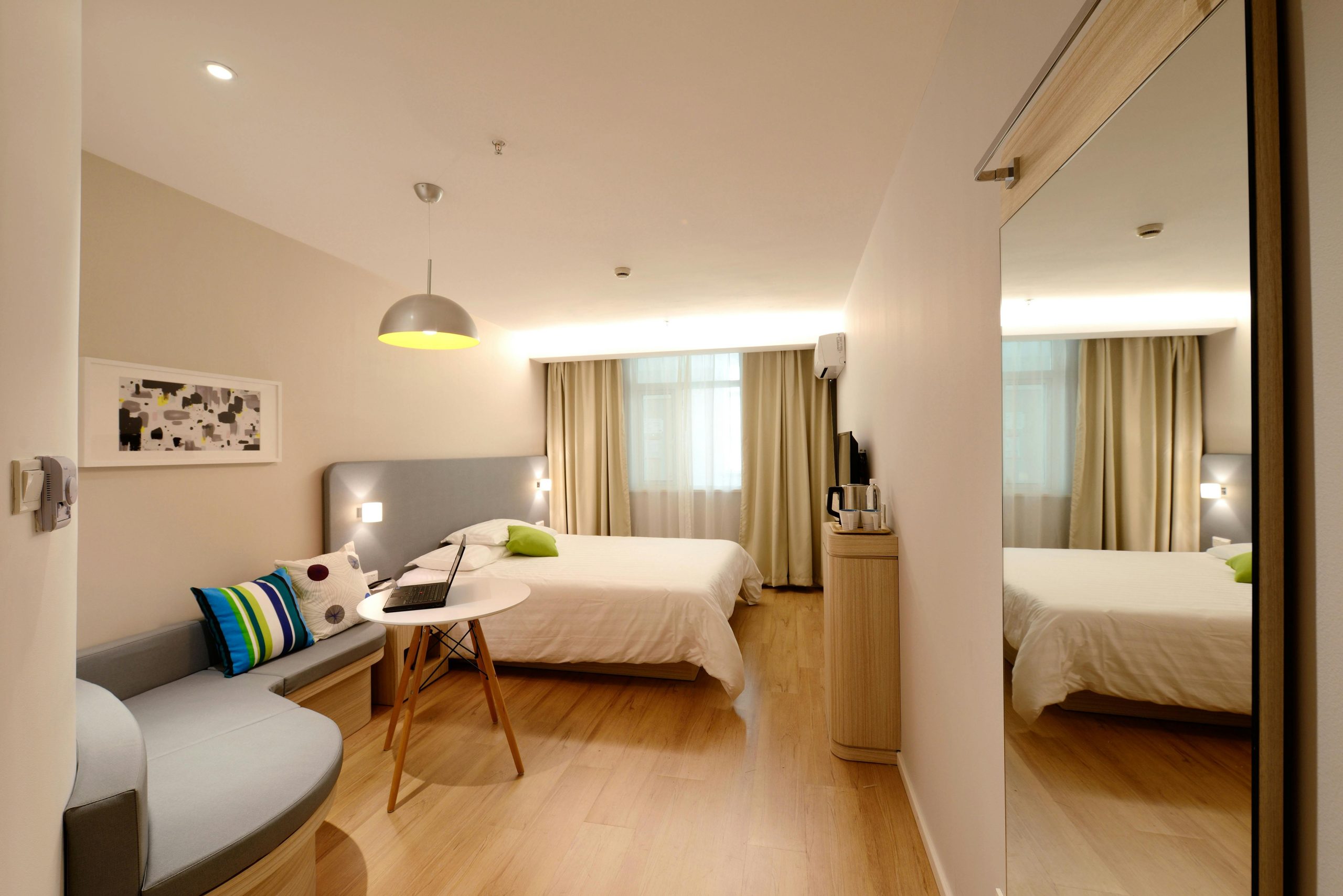
Hotels sell you four walls and a door that locks—simple. Hostels sell you choices:
- Dorms: 4-bed (quieter), 8-bed (party central), female-only (peace of mind), or mixed (cheapest).
- Private hostel rooms: Basically a budget hotel room, but you still share a hallway with backpackers who may practice ukulele at 2 a.m.
Bathrooms follow suit: hotel = ensuite sanctuary; hostel = down-the-hall cubicles that may require shower-shoe diplomacy. Privacy is a sliding scale, not a yes/no switch. If you can’t sleep without hearing your own snoring, lean hotel. If you just need a mattress and a locker, hostels have you covered.
Facilities & Amenities: Beyond the Bed
Hotels flaunt spas, gyms, minibars, and 24-hour room service. Hostels counter with kitchens big enough to cook a Thanksgiving dinner, free pasta shelves, and lounges where someone’s always tuning a guitar. Both usually offer laundry, but in hostels you’ll be feeding coins into a rattling machine next to a German backpacker; in hotels you’ll be paying $6 a sock for valet service. Wi-Fi? Legally required in hostels (guests revolt otherwise); in hotels it’s still occasionally “premium” for an extra $15 a day—yes, that relic still exists.
Atmosphere & Social Environment: The Vibe
Hostels are the LinkedIn of travel: show up solo, leave with 30 new contacts and an invite to a Berlin techno club. Organized pub crawls, family dinners, and “free” walking tours grease the social gears. Hotels whisper: do not disturb. Conversation happens in hushed lobby corners or over $18 cocktails. Noise levels follow accordingly—if you crave silence for your 8 a.m. PowerPoint, hostels will feel like a daycare. Traveling for inspiration and new friends? Hostel. Traveling to recover from life? Hotel.
Location & Accessibility: Getting Around
Both options cluster near train stations and tourist cores, but zoning laws nudge them into different niches. You’ll find hostels wedged above Irish pubs in nightlife districts—great for bar-hopping, rough for sleep. Hotels diversify: business hotels near convention centers, boutique pads in artsy alleys, airport hotels for 5 a.m. flights. If you’re hauling a 23-kg suitcase plus a portable crib, elevators and bellboys tip the scale toward hotels. Backpack with a 40-L carry-on? Five-floor hostel walk-ups feel like cardio.
Booking, Policies & Restrictions: The Fine Print
Hostels love two-night minimums in high season and lockouts after 2 a.m. (so the neighbors don’t sue). Hotels prefer 3 p.m. check-in and 11 a.m. checkout, but late checkout is negotiable—especially if you have loyalty status. Cancellation? Many hostels keep your first night if you bail within 48 hours; hotels on Booking.com often offer free cancellation until one day prior. Age caps? Some party hostels ban under-18s and over-35s—double-check before your dad tries to book a bunk.
Safety & Security: Peace of Mind
Horror stories aside, most hostels now sport keycard access, lockers big enough for a 60-L pack, and CCTV in hallways. Still, you’ll be clipping a padlock to your belongings like it’s high school gym class. Hotels provide deadbolts, in-room safes, and staff who will call you a cab at 3 a.m. Solo female travelers: many hostels offer female-only dorms and 24-hour reception desks—Hostelworld’s safety guide notes these features significantly raise comfort levels.
Target Audience & Suitability: Which One is For You?
Match traveler type to lodging like you’d match wine to cheese:
- Solo backpacker on a shoestring: Hostel—obvious.
- Digital nomad needing fast Wi-Fi and kitchen at 3 a.m.: Boutique hostel or apart-hotel.
- Couple celebrating an anniversary: Hotel—unless you’re the rare duo who enjoys bunk-bed cuddles.
- Family with toddlers: Mid-range hotel for cribs, pools, and soundproof walls.
- Business traveler with 7 a.m. Zoom: Hotel, preferably with 24-hour business center.
Key Advantages & Disadvantages: The Quick Summary
Hotels
- Pros: Privacy, daily cleaning, room service, consistent standards, loyalty points.
- Cons: Higher cost, fewer social sparks, resort fees that appear like ninjas.
Hostels
- Pros: Cheap beds, instant community, self-catering, quirky design, free events.
- Cons: Shared bathrooms, potential noise, security chores, age limits, uphill walks with luggage.
Decision scenarios: Business trip = hotel. Three-week solo ramble = hostel. Honeymoon = mix (hostel for adventure stretches, hotel to collapse in luxury).
Frequently Asked Questions (FAQ)
Q1: Can you find privacy in a hostel?
Yes—book a private room or choose smaller dorms; earplugs and eye masks help.
Q2: Are hostels safe for solo female travelers?
Female-only dorms, lockers, and 24/7 reception make them generally safe; still read recent reviews.
Q3: Is there an age limit for staying in hostels?
Some party hostels set 18–35 limits; family-friendly or boutique hostels welcome all ages.
Q4: Can families stay in hostels?
Absolutely—look for “family rooms” or entire apartments within hostel buildings.
Q5: Do hotels ever offer social activities like hostels?
Boutique hotels might host wine hours, but interaction is optional, not baked into the experience.
Q6: What is a “boutique hostel” or “poshtel”? Hotel versus hostel boils down to one trade-off: pay more for sanctuary, or pay less for sociability. Identify your trip’s MVP goal—rest, romance, networking, or penny-pinching—and pick the bed that champions it. Still torn? Long multi-city trips are perfect laboratories: alternate three nights in a buzzing hostel with two nights in a cushy hotel. You’ll collect both passport stamps and sleep credits, the ultimate travel win-win. Compare live prices on Booking.com and Hostelworld. For crowd-sourced safety reviews, check TripAdvisor. Need solo-travel safety tips? See CDC’s solo traveler page. Happy bunk—or king-bed—hunting!Conclusion & Final Recommendation
Resources & Further Reading