Ever booked a “quaint little inn” only to find a 200-room concrete box next to a freeway? Or braced yourself for a generic chain hotel and ended up sipping home-made limoncello with the owner’s nonna on a vine-draped terrace? You’re not alone—English has been muddling “hotel” and “inn” for centuries. This article untangles the two terms so you can stop playing accommodation roulette. Whether you’re a traveler plotting your next escape, a travel-blogger hunting the perfect lede, or simply the curious type who falls down Wikipedia rabbit holes at 2 a.m., you’ll leave with a practical, borderline-foolproof framework for knowing which roof to put over your head.
1. Definition and Core Characteristics
1.1. Hotel: The Standard Definition and Modern Attributes
Picture a LEGO set assembled by a corporation: towering floors, standardized room layouts, a front desk that never sleeps, and an army of staff wearing name tags that might as well read “Brand Ambassador.” Hotels operate on scale and systems—yield-management software, loyalty points, and enough conference chairs to host a small moon landing. The experience is engineered for predictability: if you’ve stayed at a Marriott in Miami, you can virtually navigate one in Munich with your eyes closed.
1.2. Inn: Historical Origins and Contemporary Meaning
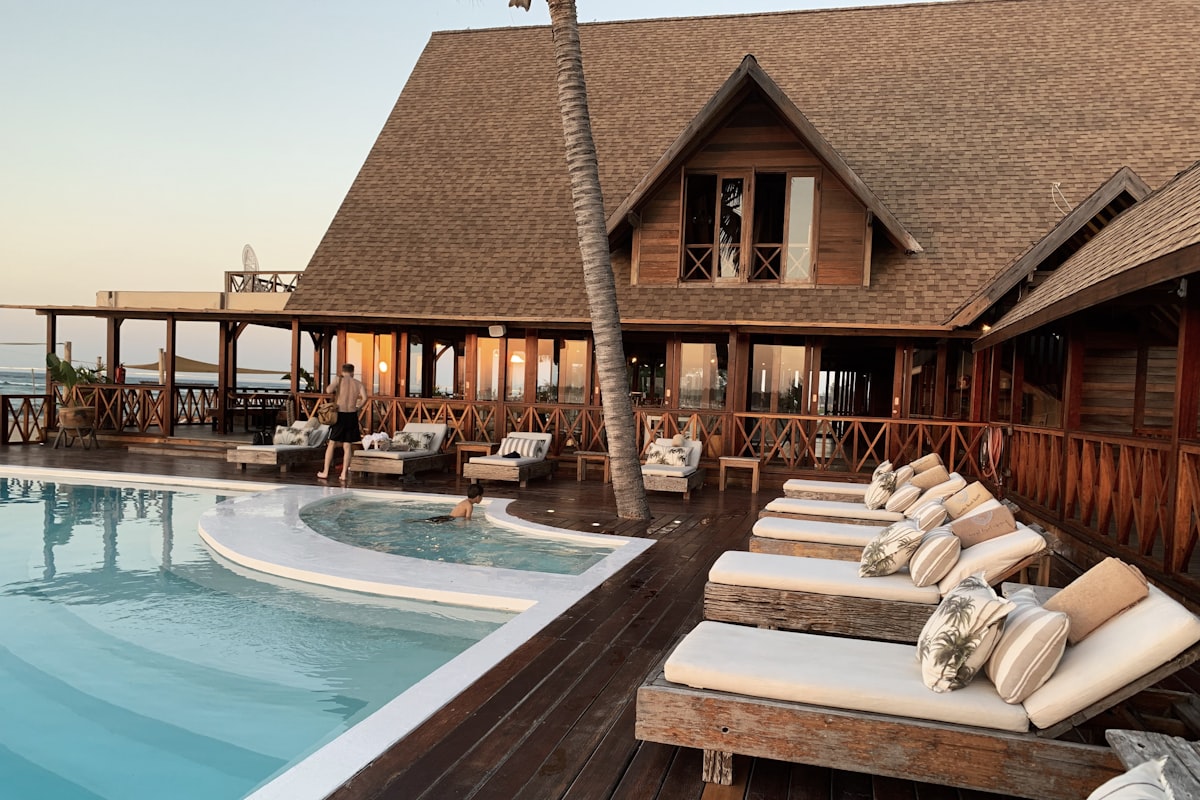
Inns started as coaching stops where Dickensian characters mulled wine and swapped highway gossip. Fast-forward: the horses became hatchbacks, but many inns still retain DNA—fewer rooms, family ownership, and a “we live here too” vibe. Today’s variants range from ivy-clad country inns with creaky floorboards to boutique wine-country retreats where the owner’s dog is the unofficial concierge. The common thread? Personality over pipelines.
1.3. The Fundamental Divide: Commercialization vs. Personalization
Hotels sell efficiency; inns sell stories. One is a McDonald’s coffee—consistent, no surprises. The other is your local barista who remembers you like oat milk and draws foam cats. Neither is inherently superior; it depends whether you want a well-oiled machine or a hand-knitted sweater of hospitality.
2. Facilities and Services: A Side-by-Side Comparison
2.1. Physical Amenities
Hotels flaunt the holy trinity—fitness center, pool, business hub—plus 17 types of pillow. Inns? They might offer a library stocked with dog-eared Agatha Christies, a communal kettle that whistles Beethoven, or a garden where you’re invited to pick herbs for your own omelet. Quirky beats comprehensive, but you may sacrifice elliptical machines.
2.2. Service Scope and Style
Need your shirt pressed at 3 a.m.? A hotel’s got you. At an inn, you’ll be handed an iron and a “let us know if you need anything—within reason” smile. Check-in might end at 8 p.m. because the innkeeper is also the cook, gardener, and bedtime story-reader. The upside: genuine conversation instead of scripted “How was your stay?”
2.3. The Food Factor
Hotels monetize every calorie—$22 granola, anyone? Many inns fold food into the rate, often sourced from the backyard hens you just met. Some serve family-style dinners at one big table; others hand you a restaurant shortlist and a “see you in the morning.” Pro tip: clarify meal inclusions before you arrive hangry.
3. Size, Location, and Architecture
3.1. Typical Scale
Hotels start at “big” and escalate to “where’s my room again?” Inns typically max out around 20 keys, meaning you’ll recognize the couple from room 3 at breakfast—whether you like it or not.
3.2. Location Logic
Hotels chase foot traffic: downtown, airport, convention district. Inns gravitate toward postcard settings—vineyards, harbor villages, places with more sheep than stoplights. If your GPS loses signal, you’re probably near an inn.
3.3. Building Style and Atmosphere
Glass-and-steel rectangles? Hotel. Victorian mansion with a name like “Rosemoor” and a resident ghost? Inn. Expect slanted floors, handmade quilts, and the glorious absence of corridor muzak.
4. Target Audience and Ideal Use Cases
4.1. Primary Clientele
Hotels court road-warrior execs, convention swarms, and families who need adjoining rooms with Nintendo-switch-level soundproofing. Inns attract couples hunting romance, leaf-peepers, and anyone whose out-of-office reply reads, “Breathing in the scent of lavender hedgerows.”
4.2. Scenario Suitability
Fly-in, fly-out sales trip? Hotel. Proposal under star-soaked skies? Inn. Traveling with a brass band? Stick to the hotel—and the soundproofed wing.
5. Price Structure and Value Proposition
5.1. Pricing Models
Hotels deploy algorithmic sorcery—rates swing like crypto. Add resort fees, parking, and that $8 bottle of water. Inns price more holistically: breakfast, Wi-Fi, and parking often bundled, like buying the set menu instead of à la carte.
5.2. Understanding the Value
Need to burn loyalty points and crave 4 a.m. room service? Hotel wins on paper. Want free homemade scones, local tips worth a guidebook, and zero surprise charges? Inn can trump the spreadsheet.
6. Cultural Nuances and Common Misconceptions
6.1. The Etymology Trap: Regional Variations
In the UK an “inn” might be a pub with four rooms over the dartboard. In the U.S., chains slapped “Inn” on motor lodges the size of small towns. Always scroll past the name to the photos.
6.2. The Branding Confusion
Case in point: Holiday Inn has over 1,100 properties—none of which involve horse stables or mulled wine. Moral: labels lie; read the fine print.
7. Booking Tips and Managing Expectations
7.1. How to Spot a “True” Inn on Booking Platforms
Filter for under 25 rooms, then hunt keywords: “family-run,” “historic,” “owner on-site.” Photos should show quilts, not queue-line carpets. If the exterior resembles an office park, swipe left.
7.2. What to Look for in Guest Reviews
Hotel reviews obsess over elevator speed and elite breakfast lines. Inn reviews gush about “Betty’s legendary lemon pancakes” and the resident tabby. Prioritize the narrative that matches your mood.
7.3. Avoiding Disappointment: Setting the Right Expectations
Walls can be thinner than your phone. There’s probably no IT department at 2 a.m. Pack earplugs, patience, and the understanding that “character” sometimes means a squeaky four-poster.
8. Beyond Hotel and Inn: Related Accommodation Types (Brief Overview)
Motel: One or two floors, door opens to parking lot—built for the automobile age. B&B: Usually smaller than an inn, breakfast is the marquee event, and you might eat with the owner’s parrot. Aparthotel: Hotel services plus kitchenette—ideal for travelers who like to fry eggs in their underwear.
9. Frequently Asked Questions (FAQ)
Is an inn cheaper than a hotel?
Not always. A luxe country inn can outprice a suburban Hampton Inn. Compare inclusions.
Do all inns serve breakfast?
Most do, but “continental” can mean anything from fresh-baked croissants to a basket of packet muffins. Ask.
Are inns only found in the countryside?
Nope. Cities like Boston and Bath have historic inns tucked down cobblestone lanes—just expect higher prices and zero free parking.
Is a “Boutique Hotel” just a fancy inn?
Boutique hotels borrow the individuality of inns but keep hotel-style staffing and amenities. Think of them as the love-child who got the cool genes from both parents.
Which is better for families with young children?
Hotels offer cribs, pools, and sound-masking hallways. Inns may lack elevators and late-night snack options. Choose based on your tolerance for apologetic whispers.
Can I earn loyalty points at an inn?
Rarely. If points are your drug of choice, stick with chain hotels or book via platforms that give their own rewards (e.g., Hotels.com).
10. Conclusion and Final Recommendation
So, hotel or inn? Strip it back to four variables: trip purpose, desired vibe, budget tolerance, and location scarcity. Need a bed near the airport and a 5 a.m. shuttle? Hotel every time. Craving wisteria-draped balconies and the owner’s secret apple-pie recipe? Inn. Use the quick guide below, hit “book,” then concentrate on the important stuff—like whether you packed enough socks.
Choosing Your Stay: A Quick Guide
Efficiency & Loyalty Points → Hotel
Charm & Conversation → Inn
City Center or Airport → Hotel
Vineyard or Village Green → Inn
Traveling with Brass Band → Hotel (and apologies)
Proposing under Stars → Inn (and champagne)
References & Further Reading
American Hotel & Lodging Association industry definitions.
Lonely Planet’s guide to accommodation types.
Oxford English Dictionary entries on “hotel” and “inn” for historical context.
Curated inn collections: Select Registry and BedandBreakfast.com.