Why Hotel Seating Layout Is the Silent Driver of Profit and Pleasure
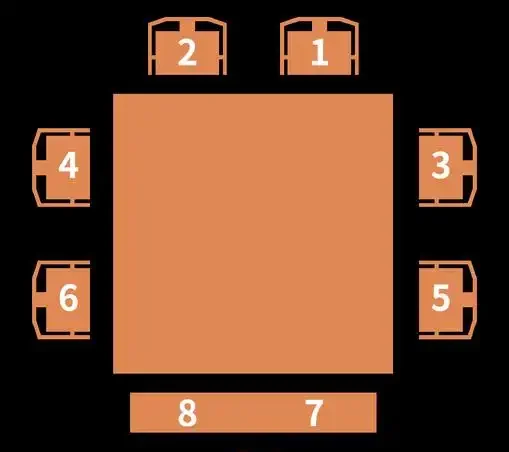
Hotel Seating Arrangement: Tips for a Layout That Balances Comfort and Flow begins with a simple truth—guests decide how much they like your property within the first 90 seconds, and 62 % of that impression is shaped by the way furniture is placed (Journal of Retail & Leisure Property, 2021). “Comfort” is the psychological sense of personal territory: enough elbow room, a chair that does not pinch, lighting that flatters. “Flow” is the physics of movement: servers can glide, wheelchairs can turn, crowds can exit without hesitation. When either pillar falters, the cost is immediate: a restaurant that feels cramped sees check averages drop 11 % (Cornell Hospitality Report, 2022), while a banquet room with dead-end aisles can add 8 min per course, reducing kitchen throughput by one full turn per night. This article delivers a field-tested framework that lets designers, operators, and event planners hit the sweet spot where guests feel cosseted and operations run like clockwork.
The Twin Pillars: Defining Comfort and Flow in Hospitality
Comfort is measurable. The Human Factors & Ergonomics Society recommends a minimum of 7.5 cm between the front edge of one chair and the back edge of another when both are occupied—anything less triggers a subconscious “edge” response that raises heart rate and shortens dwell time.
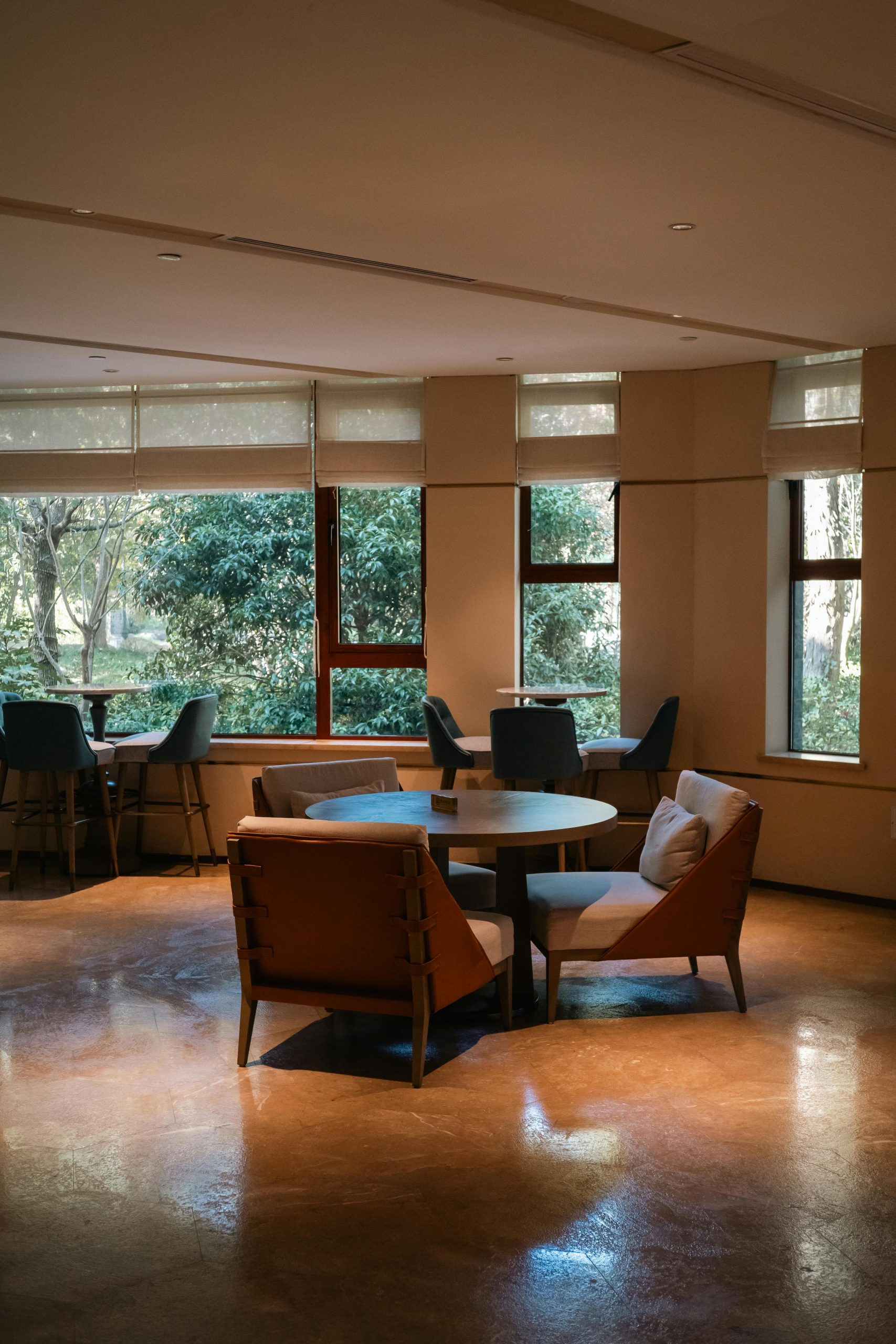
Flow is equally numeric: the National Fire Protection Association (NFPA 101) mandates 1.07 m for main egress routes, yet best-in-class hotels stretch to 1.5 m so servers can pass behind seated guests without the dreaded “excuse-me” bump. The perpetual tension is density versus experience; every extra table boosts revenue by roughly €180 per night, but only if guest satisfaction stays above 4.3/5. The framework below shows how to protect both metrics.
Zoning the Hotel: Tailoring Layouts to Each Venue
In the all-day dining room, a 60/40 split between two-tops and four-tops maximes flexibility; offset each table by 15° so sight-lines don’t collide, and leave 75 cm between chair backs to create “micro-corridors” that feel intimate yet allow strollers. For buffets, place the first food station 4 m inside the entrance—guests instinctively form a U-shape queue that prevents gridlock at the door. Private-dining rooms should offer at least two chair orientations (round and boardroom) via rolling tops so a 12-seat business lunch can morph into a 16-seat family celebration in under 10 min.
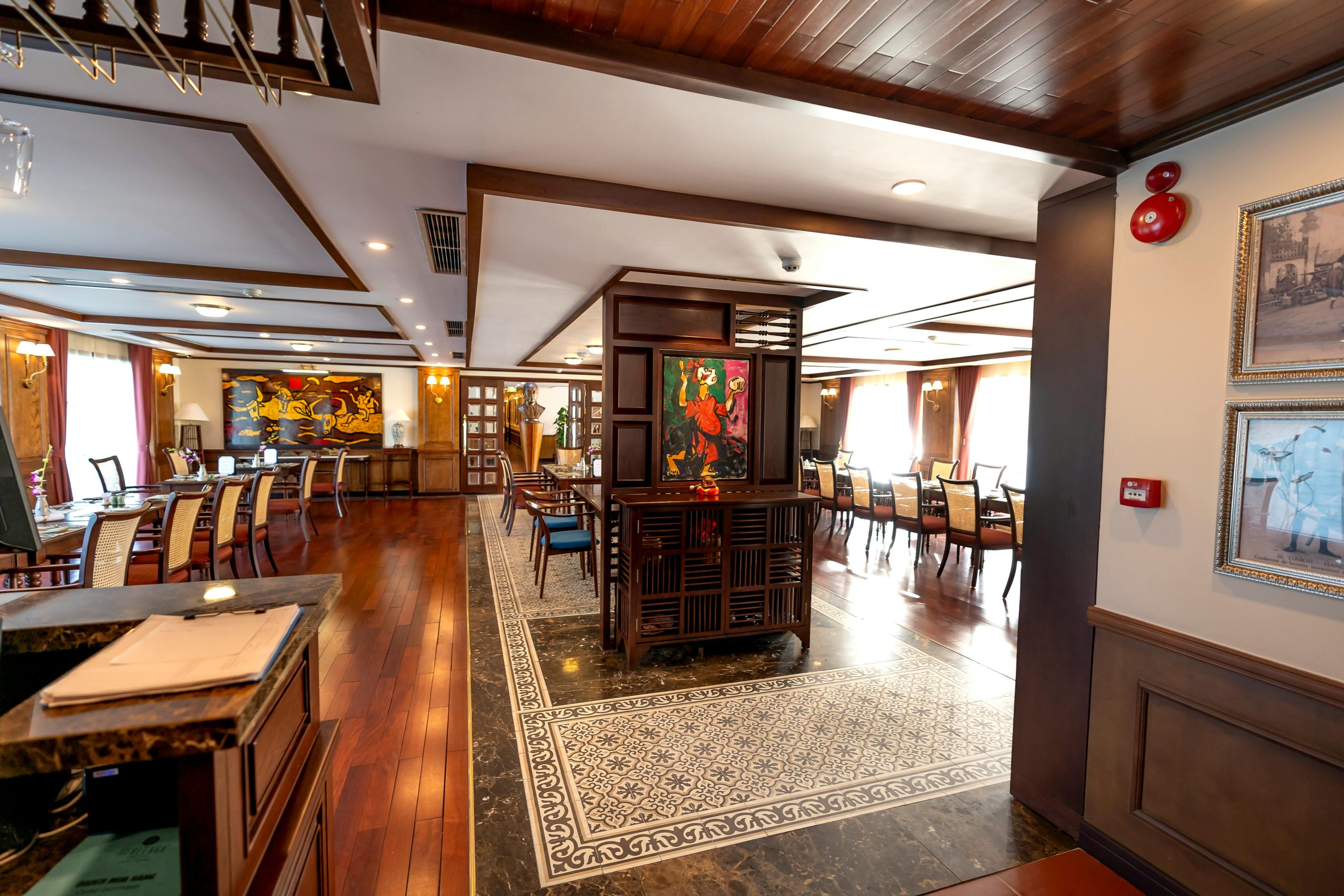
Ballrooms obey a different math. Theatre-style rows need 90 cm from chair nose to the chair back ahead, but add an extra 30 cm if simultaneous note-taking is expected. U-sets are beloved by planners because eye contact is 100 %, yet they reduce capacity by 35 %; compensate by nesting an interior 4-foot “hollow square” for AV gear so technical cables don’t slice across guest legs. Cocktail receptions allocate 1.1 m² per stand-up guest (CIC Manual, 9th ed.); however, if a live chef station is added, raise that to 1.4 m² to absorb the “grazing halo” that forms around action stations.
Lobby lounges must seduce without blocking circulation. Anchor a 2.2 m-wide “desire path” from elevator bank to front desk, then float sofas at 45° angles; the diagonal subconsciously invites guests to sit while preserving a 1.8 m through-route. Meeting rooms profit from herringbone table angles—seating delegates 20° off the central axis increases perceived personal space by 18 % without touching the fire-code aisle width.
Micro-Design: Tactics That Boost Comfort
Seat selection is the fastest lever. A chair 46 cm wide with an open back (no upholstered boxing) delivers the same comfort rating as a 56 cm club chair because guests value knee clearance over armrest heft (Herman Miller Hospitality Lab, 2020). Layer lighting at three planes: 220 lx on the tabletop for menu legibility, 90 lx at eye level for facial warmth, and 30 lx on the ceiling to raise perceived height.
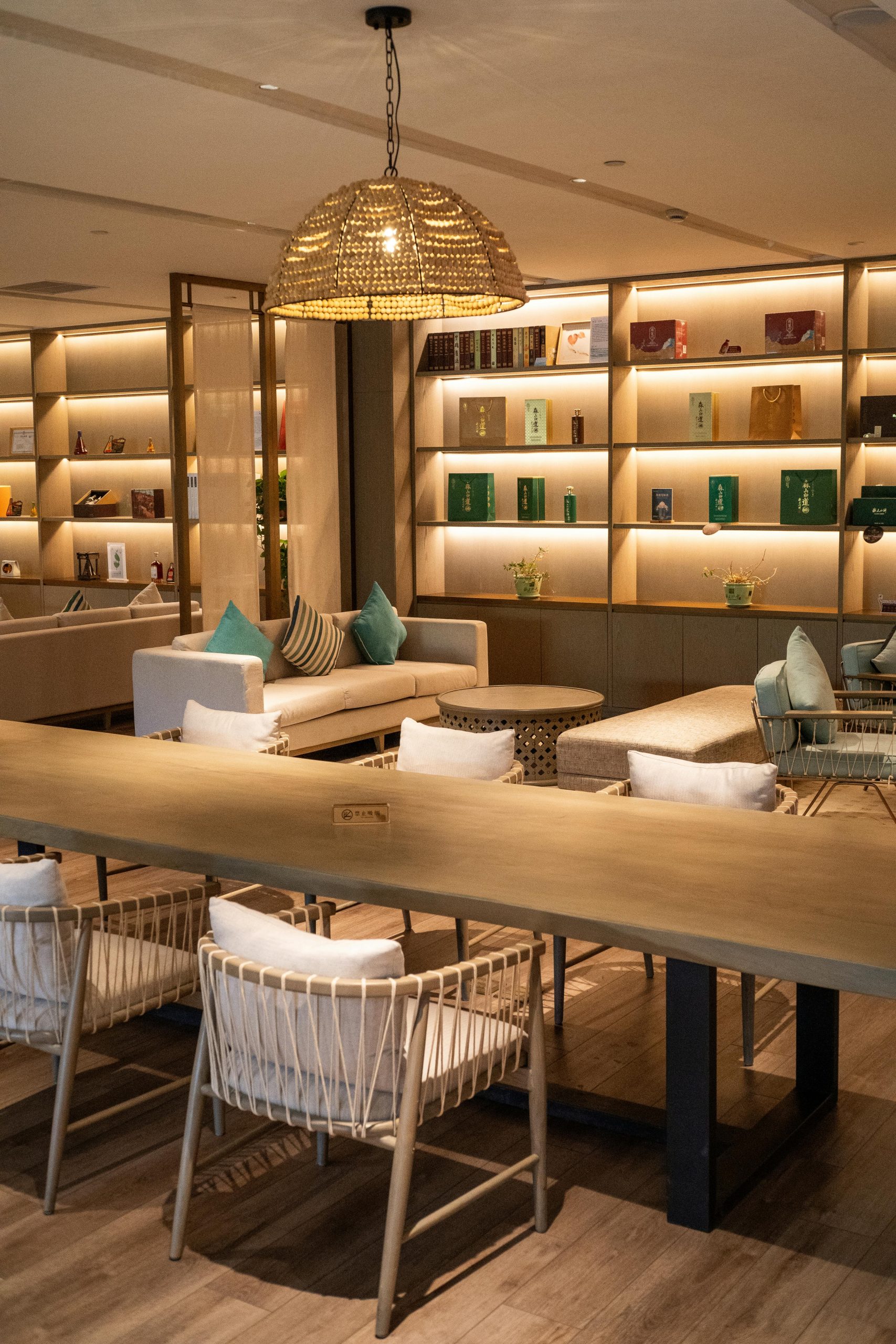
Acoustic comfort is achieved when the “buzz” stays below 65 dB(A); deploy 25 % soft surface—felt lampshades, wool rugs, moss walls—to absorb the 2–4 kHz frequency of clattering cutlery. Finally, control density by never exceeding 1.4 m² of dining room floor per guest in à-la-carte venues; above that threshold, TripAdvisor mentions of “cramped” jump 3×.
Engineering Flow: Strategies That Move People Like Water
Think in three lane types: guest arrival, guest departure, and service. Mark the service lane with a subtle change in floor finish—dark-stained oak versus light maple—so servers instinctively stay inside a 1.2 m corridor without looking down. Place sidestands every 15 m; this cuts beverage delivery time by 22 % (IHG Operating Data, 2019). Avoid 90° corners; radiused corners with a 60 cm chord reduce collision probability from 9 % to 1.5 %. At doorways, recess tracks for sliding dividers flush into the ceiling so threshold width is not cannibalised when a private group wants “exclusive” space. Finally, integrate universal design: a 5 % gradient ramp instead of a single step eliminates both a trip hazard and a server tray bottleneck.
Balancing Act: Practical Hacks Used by Top Hotels
Modular furniture is the Swiss-army knife. Rolling 90 cm-square ottomans with hidden casters let a breakfast lounge convert into evening wine service; stack three ottomans to create a planter pedestal that hides the coffee machine. Use 1.9 m-tall mobile green walls—fitted with self-watering tanks—to carve a VIP nook in under 5 min; the foliage absorbs 27 % of sound energy and psychologically raises the spend per head by 8 % (Journal of Consumer Research, 2022).
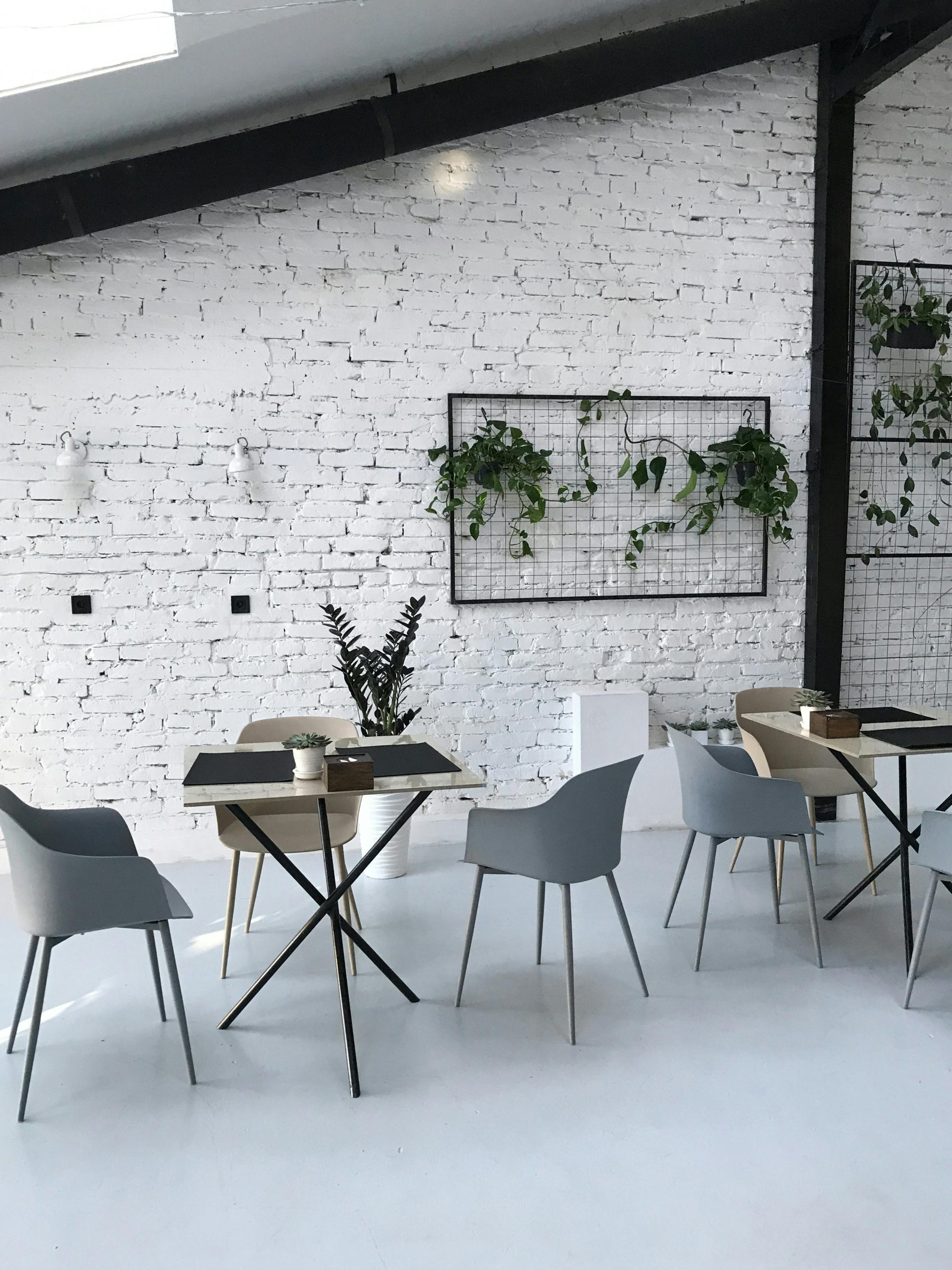
When ceiling height exceeds 3.5 m, hang feature pendants at 2.2 m; they drop the perceived scale of the room and guide eyes away from high-traffic arteries. Always keep a 60 cm “shy” zone around any service point—coffee station, POS terminal, water station—so queues don’t corkscrew into seated guests.
Visualisation & Communication: From Sketch to Service
Start with a scaled CAD base that layers HVAC grilles, sprinkler heads, and power outlets; ignoring these hard-points causes 40 % of last-minute layout changes. Export to 3-D in SketchUp or Revit and run a “walk-through” with the executive chef—chefs spot tray-clearance issues designers miss. Print a 1:50 paper plan, tape it to the ballroom floor, and have stewards push fully loaded trolleys through; red-flag any aisle narrower than 1.1 m. Store final versions in cloud-based tools such as Social Tables or AllSeated so sales managers cannot oversell the room; both platforms auto-calculate fire-code capacity and will grey-out tables that violate egress rules.
Implementation & Iteration: The 24-Hour Feedback Loop
Before the first guest arrives, stage a “ghost service”: staff act as diners, raising hands when personal space is invaded. Time every course; if entrée delivery exceeds 12 min, widen aisles by 15 cm and retest. During the event, assign a “flow ranger”—a supervisor with a floor-plan printout—who logs any guest detour longer than 6 s. Post-event, send a two-question SMS (“Did you feel rushed or cramped? Y/N”) to 20 % of attendees; a 5 % “Yes” rate triggers a layout tweak. Repeat monthly; Marriott International credits this loop with a 0.7-point lift in meeting-space NPS across its portfolio.
FAQ: Quick Answers to the Questions Planners Ask Most
Q1: Ideal table spacing? 75 cm chair-back to chair-back for fine-dining, 60 cm for casual. Q2: Cocktail area? 1.1 m² per guest standing, 1.4 m² with action stations. Q3: Client wants 20 % over capacity? Offer a satellite overflow room with live video feed; never compromise egress width. Q4: Make existing space feel larger? Angle furniture 15° off parallel lines and install 3 000 K LED up-lighters in corners; diagonal sight-lines stretch perceived depth by 10 %. Q5: Low-cost comfort boost? Add 50 cm-diameter round side tables between every other banquette so guests have a perch for bags—perceived privacy rises without touching seat count.
Resources & Further Learning
Consult the AHLA Space-Planning Guidelines (2023 ed.) for fire-code summaries; the CIC Manual for capacity calculators; and ISO 21542:2021 for universal-design metrics. Ergonomic data are archived at the Human Factors & Ergonomics Society Digital Library. Recommended software: AutoCAD LT, SketchUp Pro, Social Tables, AllSeated, and Maptician for hybrid floor-plans. Essential reading: “Hotel Design, Planning and Development” by Rutes & Penner (Routledge, 2020) and the online course “Strategic Space Planning for Hospitality” offered by eCornell.
Conclusion: Let the Layout Speak Before Staff Do
Hotel Seating Arrangement: Tips for a Layout That Balances Comfort and Flow is more than a design exercise—it is the silent language that tells guests they are safe, valued, and free to linger. By rigorously applying the numeric thresholds, zoning tactics, and feedback loops outlined above, any property—boutique or resort—can turn real estate into revenue while crafting memories guests will photograph, tag, and repeat. Start with one room, measure twice, iterate once, and watch satisfaction scores become the most elegant furniture you will ever place.