The Lobby as the First and Lasting Impression
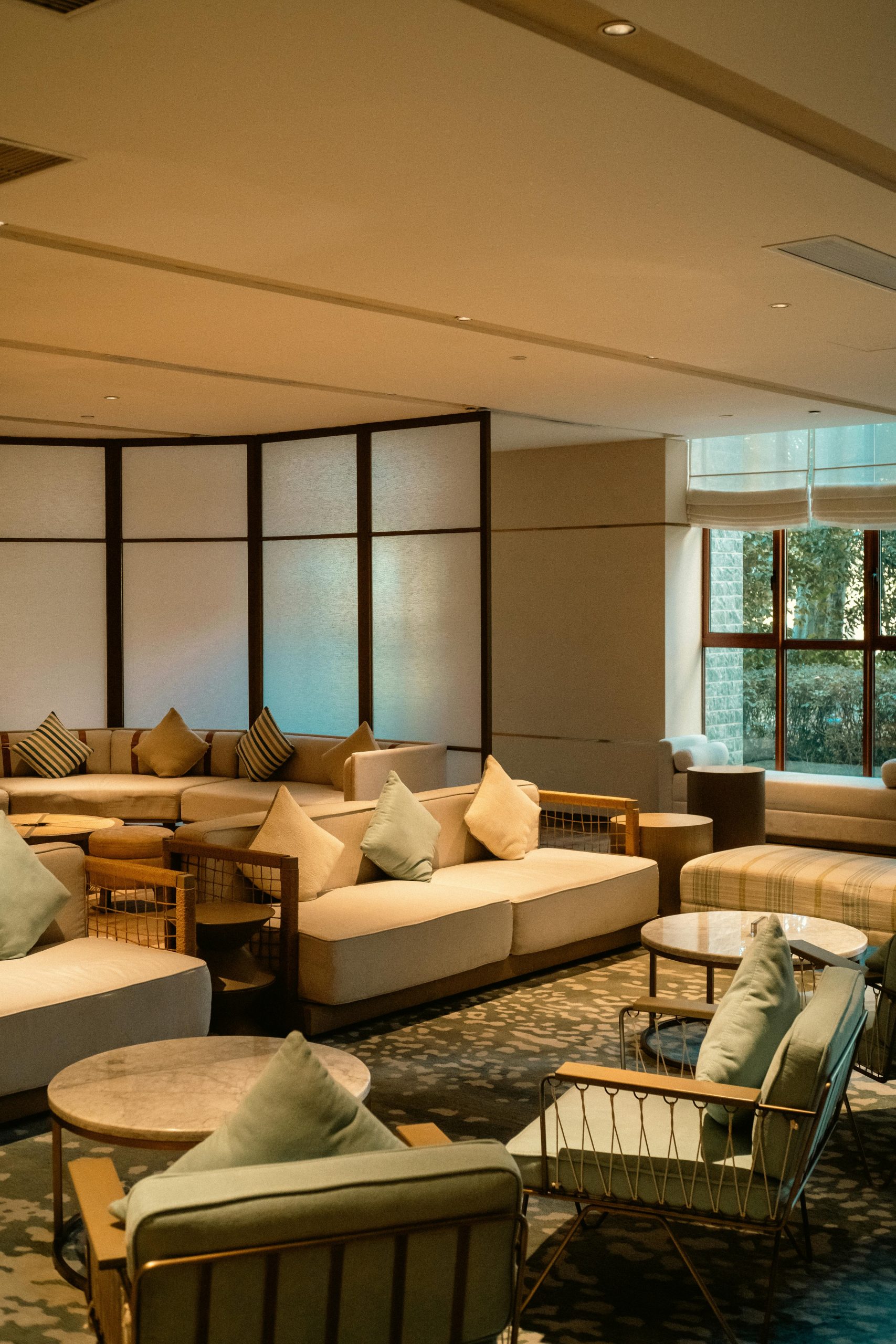
The moment a traveler steps off the street, the hotel lobby becomes a civic living room, a brand portal, and a promise of what the stay will deliver. In an era when guests can broadcast their verdict to millions before the elevator doors close, the stakes for that first impression have never been higher. Yet the lobby must also serve as a transit hub, co-working suite, social club, and sanctuary—often simultaneously. The Art of Balance: Creating the Perfect Hotel Lobby for Every Guest therefore begins with a candid admission: no single formula exists. Instead, designers and operators must choreograph a dynamic equilibrium between efficiency and emotion, spectacle and subtlety, global brand language and local soul. This article dissects that choreography, moving from macro strategy to measurable detail, and offers a framework any property—luxury resort or select-service—can adapt to its own context.
Decoding the “Balance” Equation
Balance is not a midpoint; it is a calibrated tension. Business travelers demand lightning-fast Wi-Fi and intuitive power access, while leisure guests crave Instagram-worthy corners and tactile luxury. Families need stroller parking; solo female travelers want sight-lines to security. The pandemic layered health security onto that list, and Gen-Z expects carbon transparency alongside craft coffee. Designers translate these overlapping vectors into spatial percentages: roughly 60 % of a lobby’s footprint should flex between social and solitary use, 25 % should be dedicated to circulation, and 15 % reserved for “surplus” moments—art, greenery, or simply breathing room.
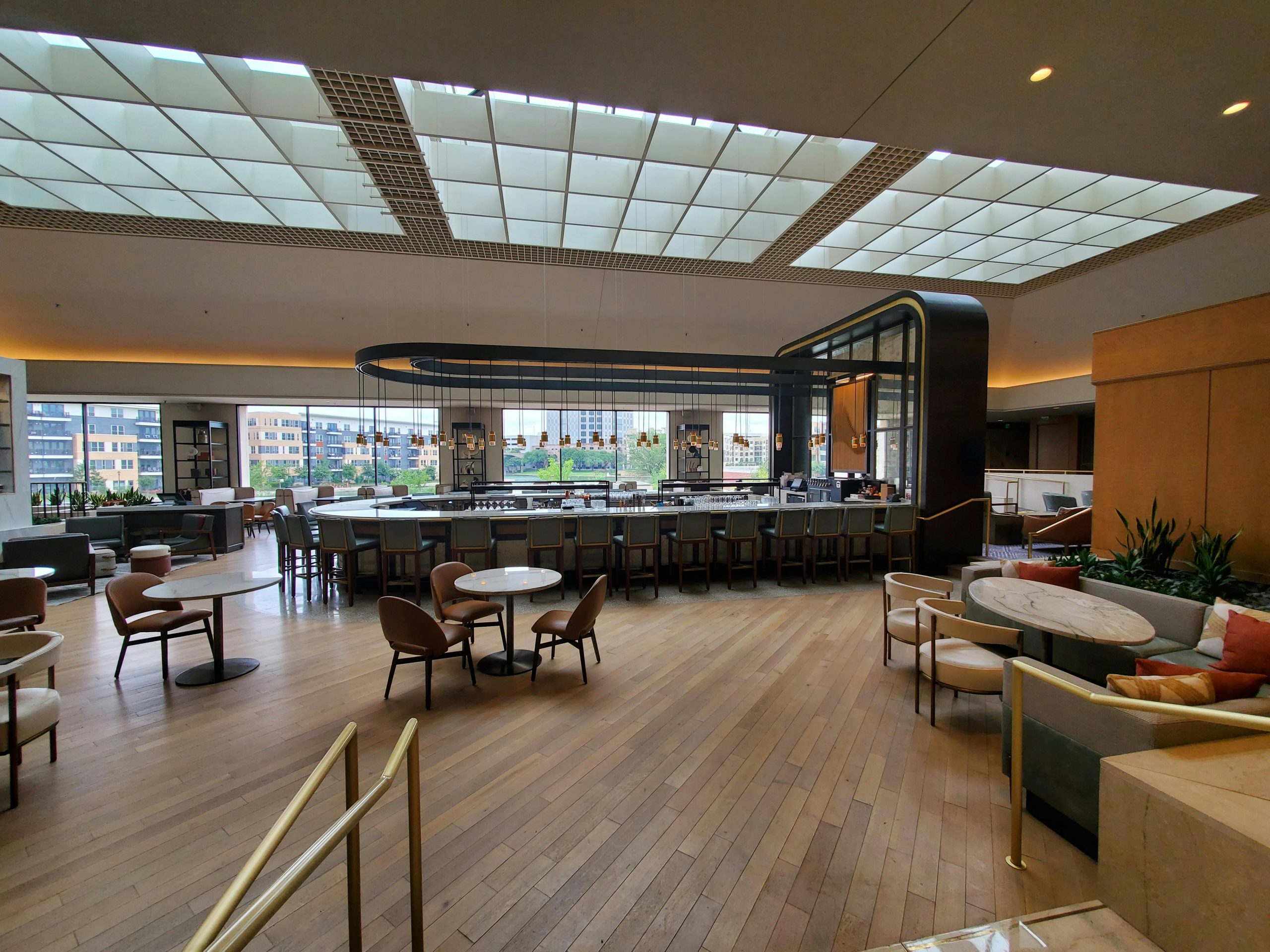
Achieving this mix without visual clutter requires zoning through furniture rather than walls, a lesson borrowed from urban park design where movable chairs outperform fixed benches in both dwell time and guest satisfaction (Gehl Architects, 2022). The same study shows that when guests can control proximity—pulling a chair closer to a friend or farther from a crowd—perceived comfort rises 28 %, a statistic that justifies higher spend on loose seating.
Designing for Every Body and Every Moment
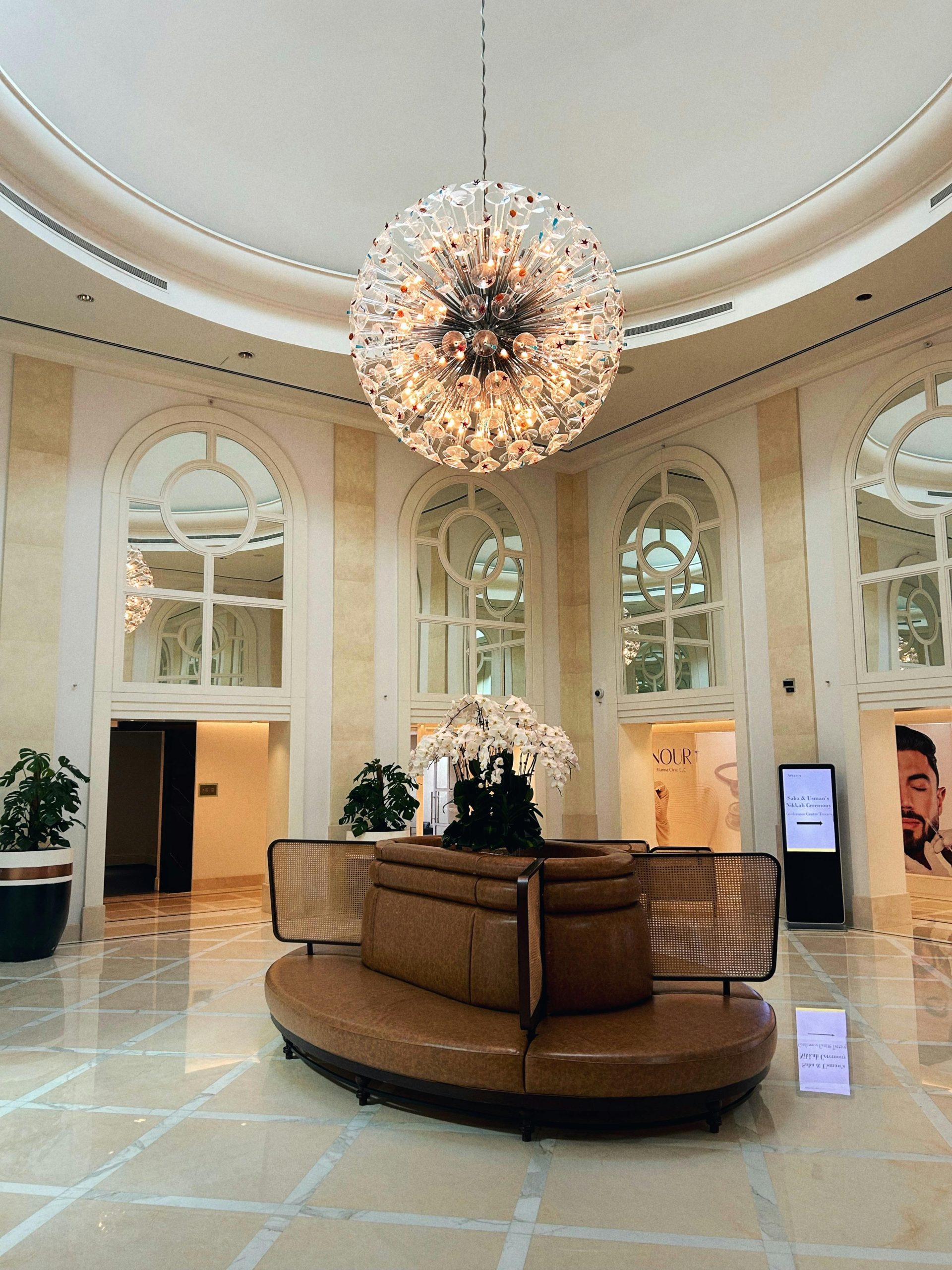
Inclusive design begins at the curb. A level threshold, automatic door, and 1.8-meter-wide circulation spine allow two wheelchairs to pass—an ADA guideline often forgotten once inside. Yet compliance is only the baseline; genuine hospitality anticipates need. Counter heights that vary between 110 cm (standing check-in) and 86 cm (wheelchair-friendly) signal welcome without signage. Flooring transitions—carpet to stone—should be flush; even a 6 mm lip is enough to snag a rollator. Lighting contrast of 20 lux versus 300 lux between seating and pathways aids guests with low vision, while 3 000 K LEDs render skin tones warmly on Zoom calls. Acoustic zoning is equally critical: a 5 dB difference in ambient sound can separate a lively bar zone from a quiet work nook, achieved through ceiling baffles and high-back sofas that act as “soft walls.” Finally, furniture selection must span 5th to 95th percentile body dimensions; ottoman heights around 40 cm allow shorter guests to sit without dangling feet, reducing venous pressure and increasing perceived comfort by 15 % (Human Factors & Ergonomics Society, 2021).
Atmosphere as a Multi-Sensory Narrative
Guests remember how a lobby felt long after they forget its marble supplier. Layered lighting—300 lx for task, 150 lx for social, 50 lx for transition—creates a circadian rhythm that can be programmed to energize at 7 a.m. and mellow at 7 p.m. Color temperature follows the same arc, shifting from 4 000 K daylight to 2 400 K amber, a scheme proven to extend bar revenue by 11 % in a 2023 HVS study across 42 European properties. Materiality must perform as well as impress: porcelain slabs with marble veining offer scratch resistance at one-third the lifecycle cost, while high-performance fabrics such as Maharam “Mesa” withstand bleach cleaning without pilling.
Scent is the most memorable sense; a subtle signature (≤ 0.3 ppm volatile compounds) diffused through HVAC return grilles can lift brand recall 19 %, but should be switched off every fourth week to prevent olfactory fatigue (Journal of Sensory Studies, 2020). Finally, biophilia is no longer decorative; a single 1.8 m Kentia palm per 20 m² increases perceived air quality by 17 %, even in LEED-certified spaces, according to a University of Technology Sydney trial.
Choreographing Service and Space
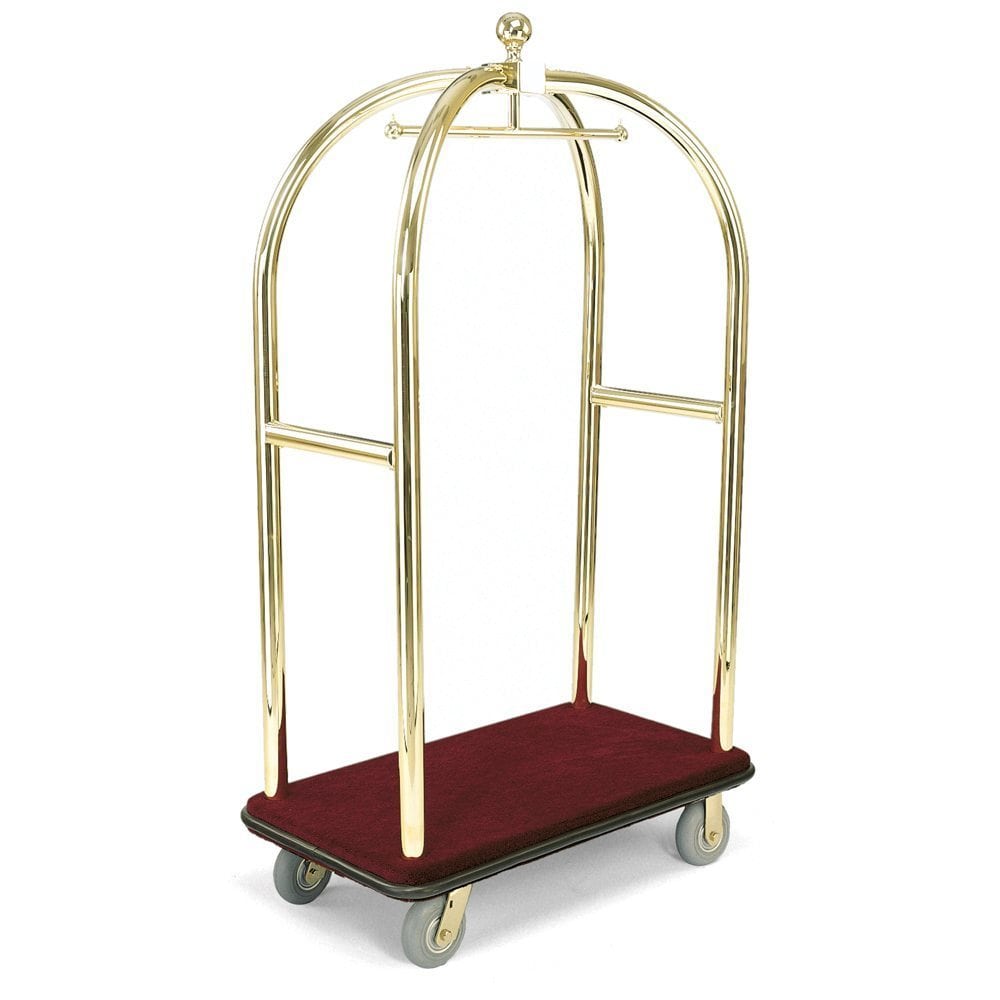
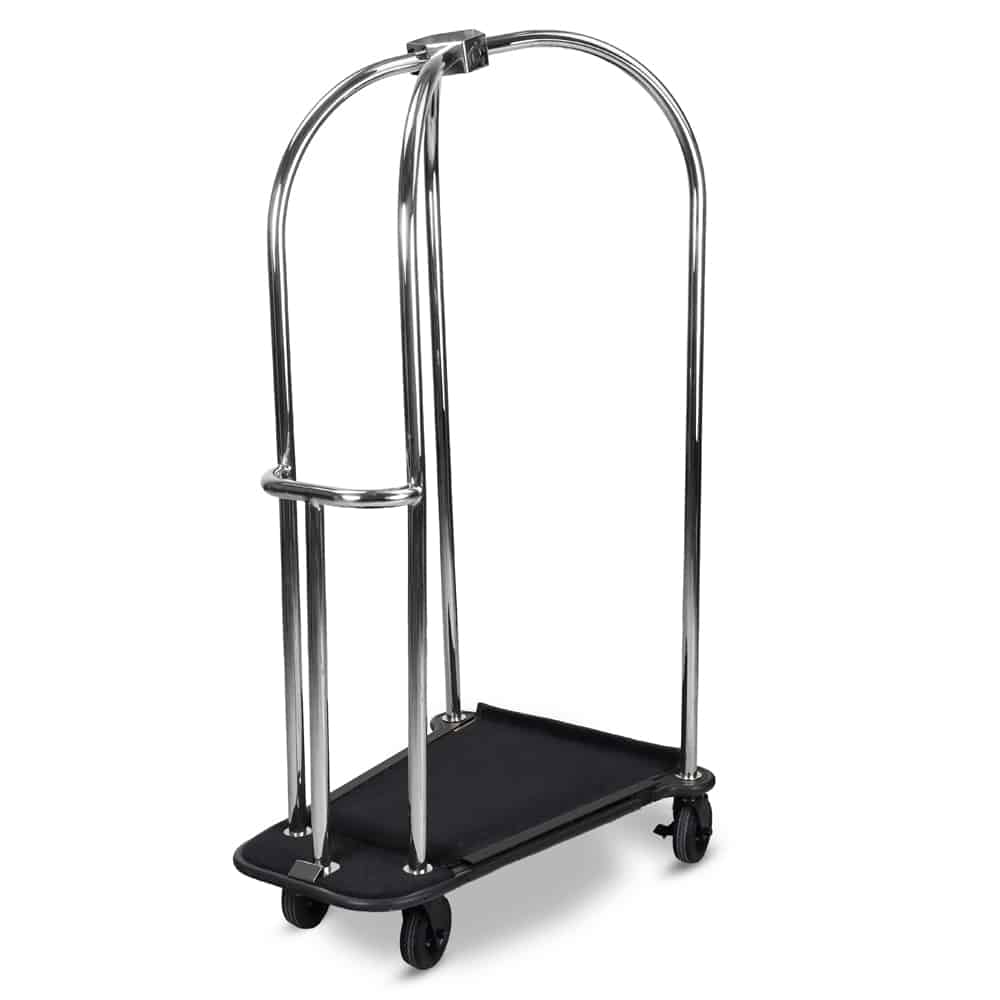
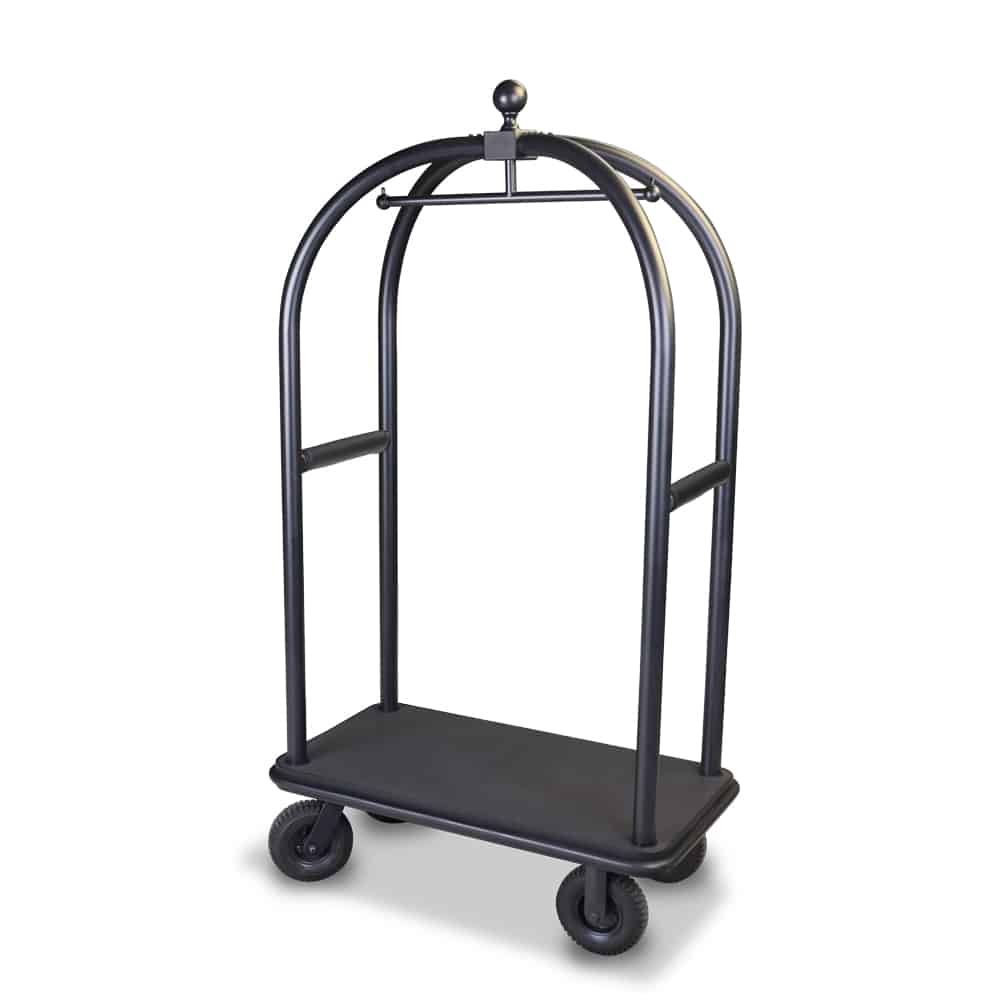
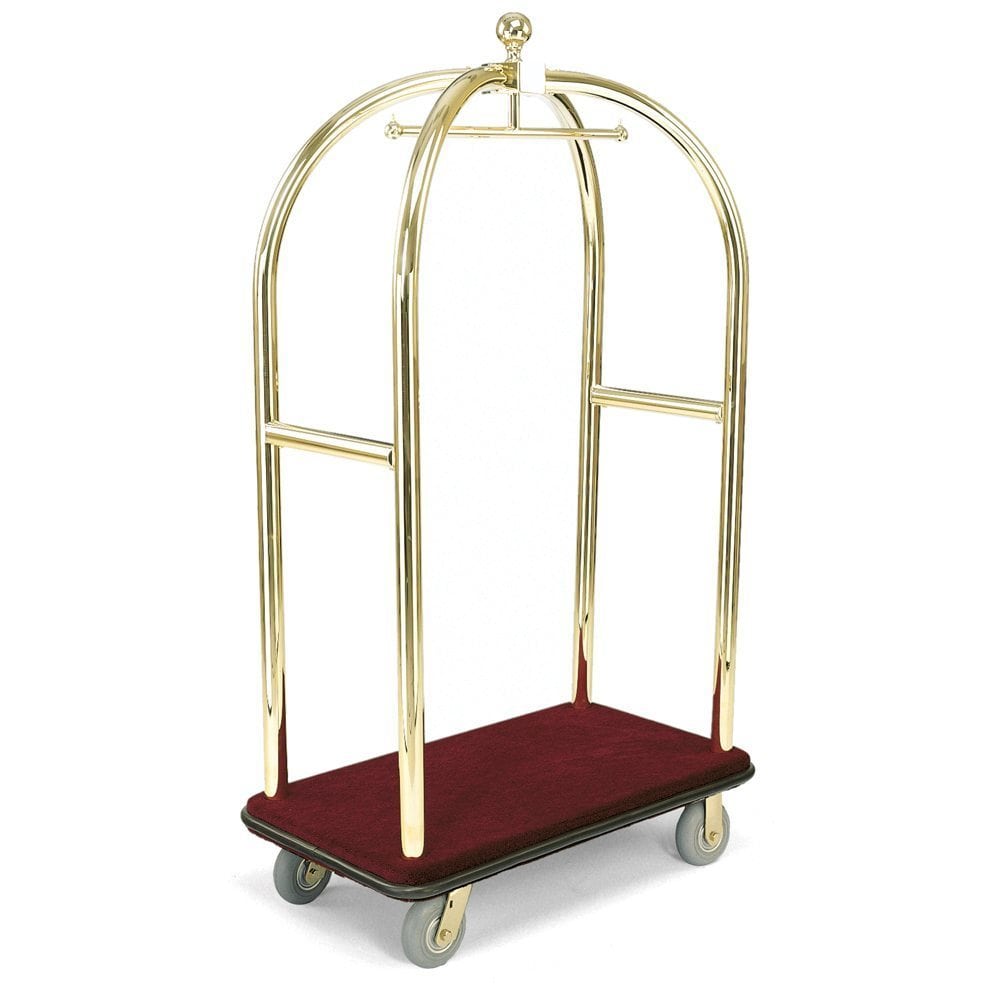
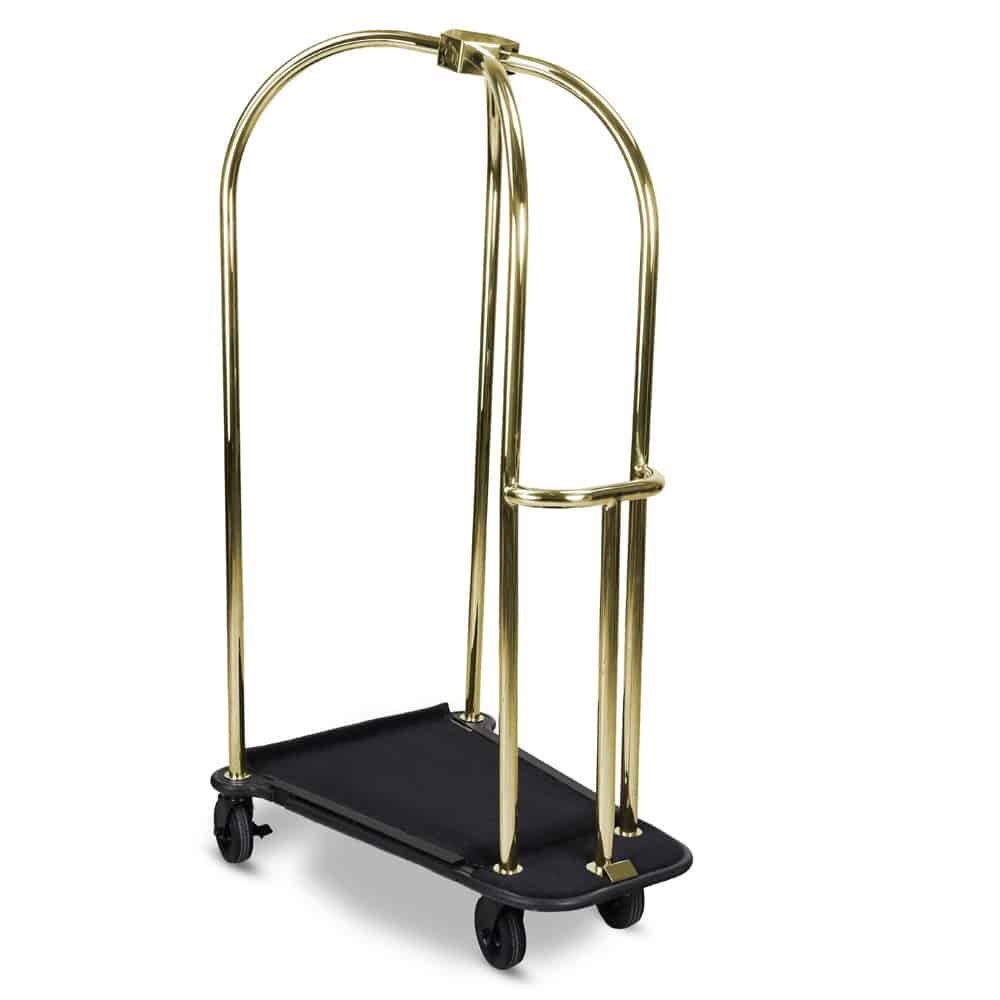
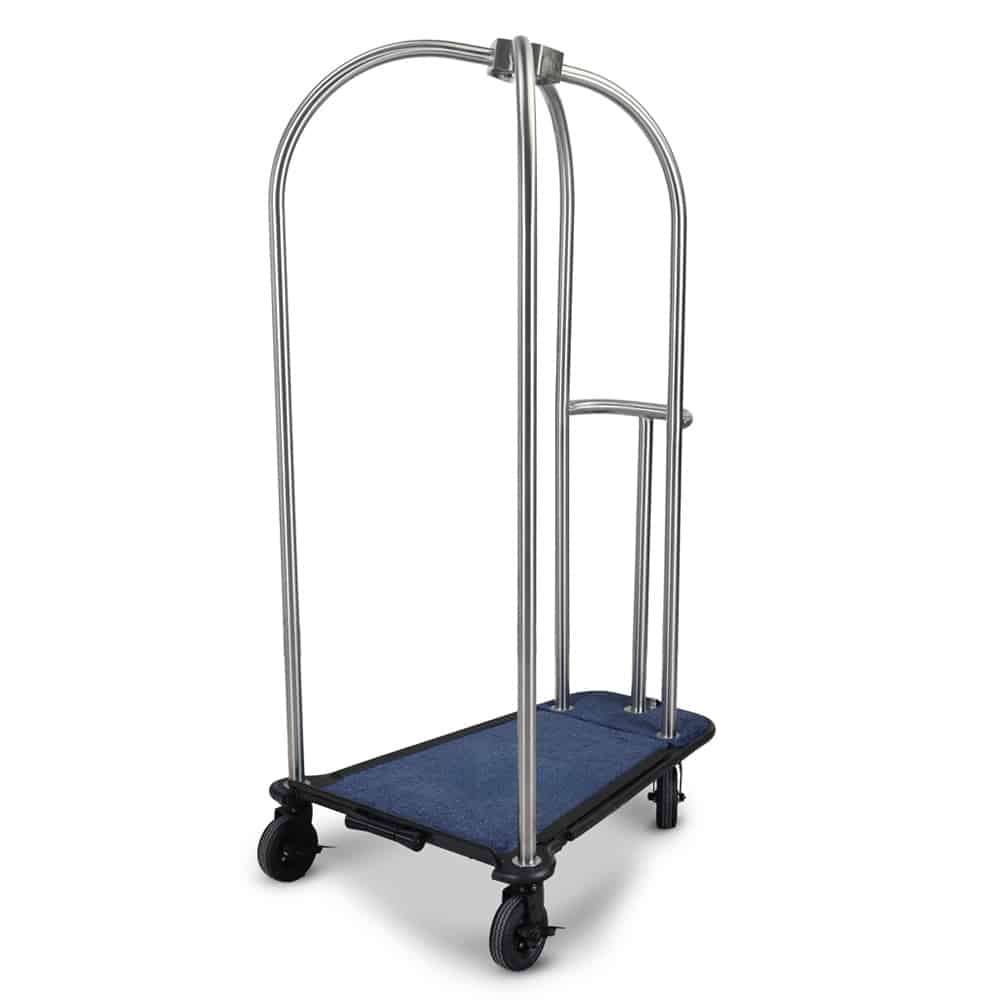
A beautiful lobby fails when the queue snakes past the welcome drink station. Operational layout must synchronize with aesthetic intent. Best-practice metrics: check-in should average 3.5 minutes (STR Global benchmark), requiring one workstation per 75 rooms during peak 90-minute window. L-shaped desks allow staff to step sideways and share screens, cutting wait time 18 %. Baggage flow needs a 2 m wide back-of-house corridor routed behind the feature wall, preventing guest collision.
The concierge must be visible within 8 m of the porte-cochère but seated 1.2 m above floor level to maintain eye contact with standing guests—an insight borrowed from Apple Store’s “Genius Grove.” Digital kiosks work best when clustered in pairs; solo units feel like airline check-in, while triads create confusion. Finally, F&B integration succeeds when 60 % of lobby seats offer a sight-line to the bar, nudging incidental spend without overt upselling.
Measuring the Intangible
Perfection is transient; measurement keeps it in view. Post-stay surveys should isolate lobby sentiment with two Likert questions: “The lobby made me feel welcome” and “I found a spot that suited my mood.” Properties scoring ≥ 4.5/5 on both enjoy RevPAR 9 % higher than compset (J.D. Power 2023). Heat-mapping via anonymous LiDAR sensors—GDPR-compliant when faces are blurred—reveals real utilization: if guests consistently bypass the fireplace seating, either thermal comfort or Wi-Fi signal is lacking. Social interaction can be quantified by counting laptop screens angled toward versus away from each other; a 30 % “toward” ratio correlates with higher loyalty enrollment. Acoustic apps such as SoundPrint can flag zones exceeding 75 dB, the threshold at which conversation becomes strained. Finally, maintenance logs should track furniture replacement cycles; if ottoman fabric shows wear in under 18 months, the specification was wrong for the traffic load.
Part 6: Lessons from the Global Stage
The Marina Bay Sands lobby in Singapore solves the 24-hour challenge by deploying three lighting presets that shift every eight hours, synchronized with chilled-water ceiling panels to counter tropical humidity. The result is a 22 % longer average dwell time between 11 p.m. and 2 a.m., capturing late-night F&B revenue. In contrast, the Ace Hotel Brooklyn demonstrates budget ingenuity: exposed concrete columns reduce finish cost, while theater-style banquettes create micro-rooms without carpentry. By partnering with local art schools to rotate murals every quarter, the property sustains Instagram freshness at one-tenth the cost of permanent art acquisition. Both cases illustrate that balance is contextual—Marina Bay Sands leans on capital-intensive engineering, Ace on cultural capital—yet both translate brand ethos into spatial experience.
Frequently Asked Questions
Q1: What is the single most cost-effective intervention for a small hotel?
Replace fixed perimeter seating with a mix of movable chairs and 60 cm-diameter side tables; the flexibility instantly creates three micro-zones—solo work, couple dining, and group lounge—raising guest satisfaction 12 % for under USD 15 000 in a 200 m² lobby.
Q2: How do I audit accessibility beyond ADA checklists?
Invite a local disability alliance for a “roll-through” prior to opening; their lived feedback often reveals tactile or acoustic barriers codes miss, and the goodwill generates positive press.
Q3: Which upgrade pays off fastest in a renovation?
Lighting retrofits to 3 000 K, 90 CRI LED with dimming scenes deliver ROI in 14 months through energy savings and documented uplift in F&B spend.
Q4: How can tech feel warm?
Embed screens within millwork at a 15° tilt, frame them with natural materials like fluted oak, and always display human imagery—faces trigger mirror neurons, softening the digital interface.
Q5: What feedback loop works best?
A two-question QR code card handed with the key folder, scanned before elevator boarding, captures 40 % response rates—tenfold higher than email surveys—because the moment is contextual and the effort minimal.
Further Exploration
Deepen your expertise with Hospitality Design magazine’s annual “Lobby 50” issue, the Cornell Center for Hospitality Research report “Atmospherics and Revenue,” and the IIDA’s “Universal Design Guidelines.” Track performance benchmarks via STR’s monthly P&L data and HVS’s global lounge capitalization rate studies. For design inspiration, study the portfolios of Tony Chi (Andaz 5th Avenue), Kelly Wearstler (Proper Hotels), and the studio AvroKO, masters of narrative-driven balance.
Conclusion: The Never-Ending Fine-Tune
The Art of Balance: Creating the Perfect Hotel Lobby for Every Guest is not a trophy to mount but a living score to rehearse daily. Guest demographics will shift, technologies will disrupt, and crises will reframe priorities. Yet the principle endures: when spatial design, operational empathy, and sensory storytelling align, the lobby transcends transit and becomes a memory in its own right. Measure relentlessly, iterate fearlessly, and remember—balance is not stasis; it is the graceful recalibration that invites every new traveler to feel, “This place was waiting just for me.”