Introduction
Across the hospitality sector, luggage handling and banquet setup remain the two tasks most frequently linked to musculoskeletal injuries, lost-time claims, and rising workers’-compensation premiums. According to the U.S. Bureau of Labor Statistics, hotel employees suffer strains and sprains at nearly twice the national average for all service industries, with house porters and banquet stewards topping the list. Beyond the human cost, a single serious back injury can exceed USD 40 000 in direct expenses and force properties to operate understaffed during peak occupancy. This article delivers the Top 3 Ways to Reduce Injuries in Hotel Staff: Focusing on Luggage & Banquet Setup—a concise, evidence-based playbook that owners, general managers, and safety officers can roll out immediately to protect people and profit simultaneously.
Section 1 – Injury Risks in Luggage Handling
Back strains, rotator-cuff tears, and wrist tendonitis dominate the injury logs of bell services. Root causes cluster around four themes: lifting suitcases that now average 24 kg (IATA 2023), twisting in narrow corridor spaces, repetitive trips to the 7th floor when elevators are slow, and the “rush factor” when a 40-person tour bus unloads simultaneously. Harvard School of Public Health researchers note that the spinal compression force created by a 30 kg lift performed with a flexed back exceeds the 3 400 N threshold associated with disc damage after only a handful of repetitions. Because porters are often paid per bag, speed routinely wins over posture. The consequence is predictable: a 2022 Europe-wide hotel insurer report shows that 42 % of all long-term disability awards in bell departments stem from back injuries sustained within the first 18 months of employment. Interventions must therefore target equipment, behaviour, and workflow in parallel, rather than relying on the outdated “lift with your knees” poster campaign.
Section 2 – Injury Risks in Banquet Setup
Slips on freshly mopped marble, falls from stepladders while hanging fairy lights, and crushed fingers under 90 kg banquet tables are daily realities for convention staff. A National Safety Council analysis of 1 800 U.S. hotel incidents found that 60 % of banquet injuries occur during the 90-minute “flip” period when a ballroom is transformed from theatre to dinner layout under tight client deadlines. Time pressure encourages two-person teams to drag eight-foot tables instead of using four-wheeled dollies, while high heels worn by temporary agency servers reduce ankle stability by 28 %, according to a 2021 peer-reviewed study in Ergonomics. Add low-light conditions for gala dinners and extension cords snaking across carpet seams, and the risk profile multiplies. Unlike luggage tasks, banquet work is highly collaborative; one weak link in communication—“I thought you had the other end!”—can send a 50 kg stage deck crashing onto a coworker’s foot. Solutions must therefore embed planning discipline, mechanical aids, and a shared safety language.
Section 3 – Top 3 Ways to Reduce Injuries in Hotel Staff: Focusing on Luggage & Banquet Setup
Method 1 – Invest in Ergonomic Equipment & Assistive Tools
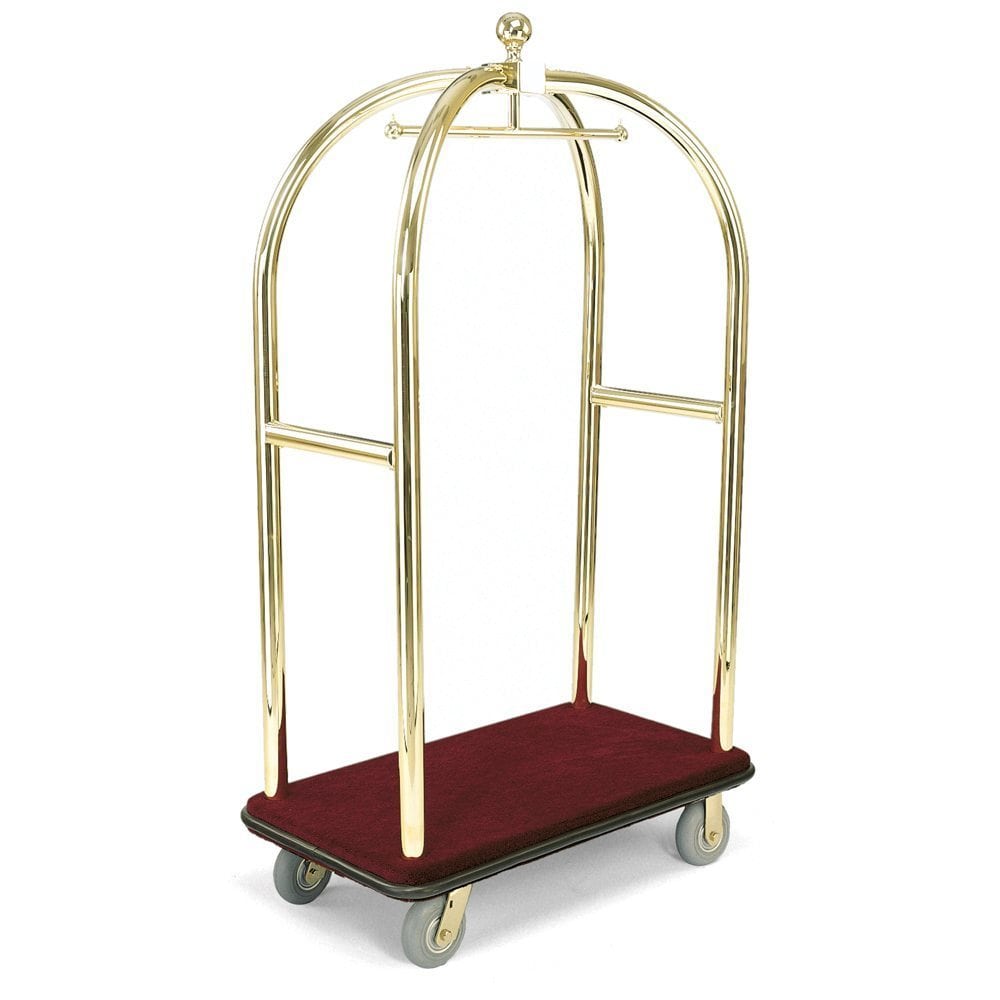
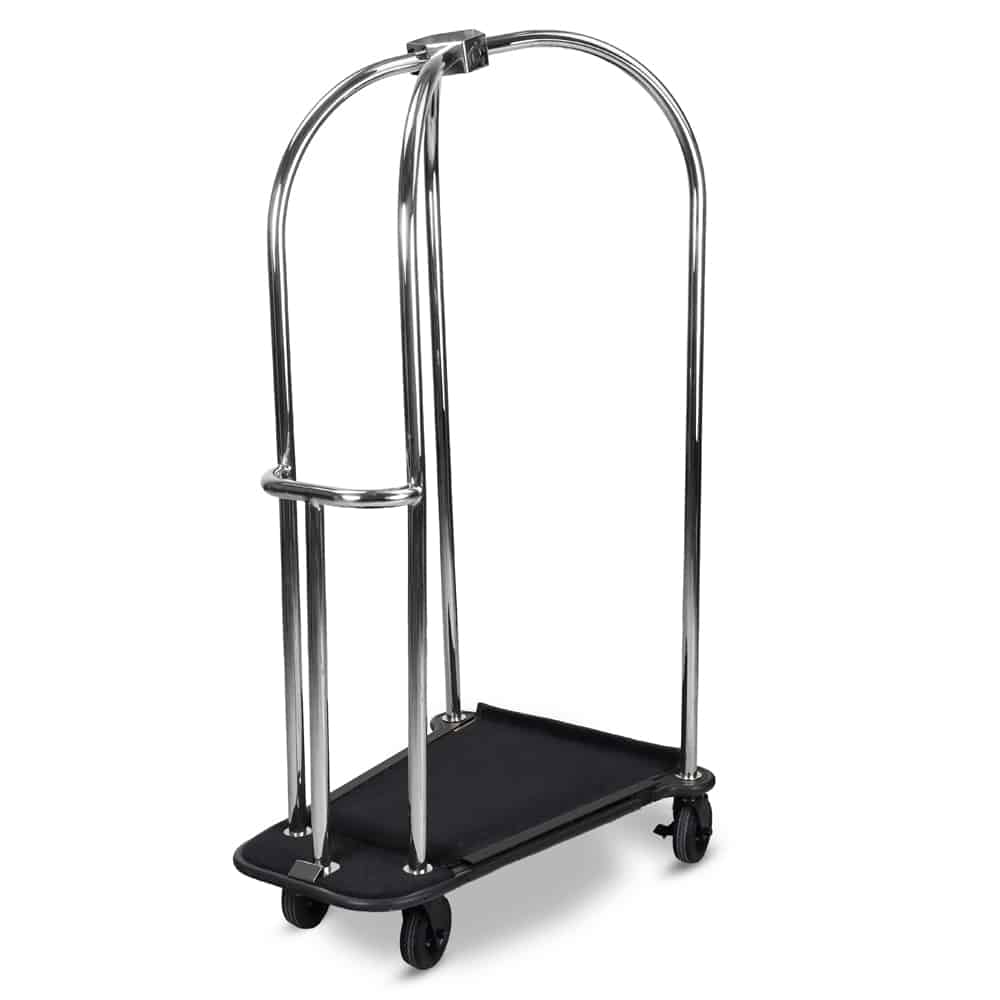
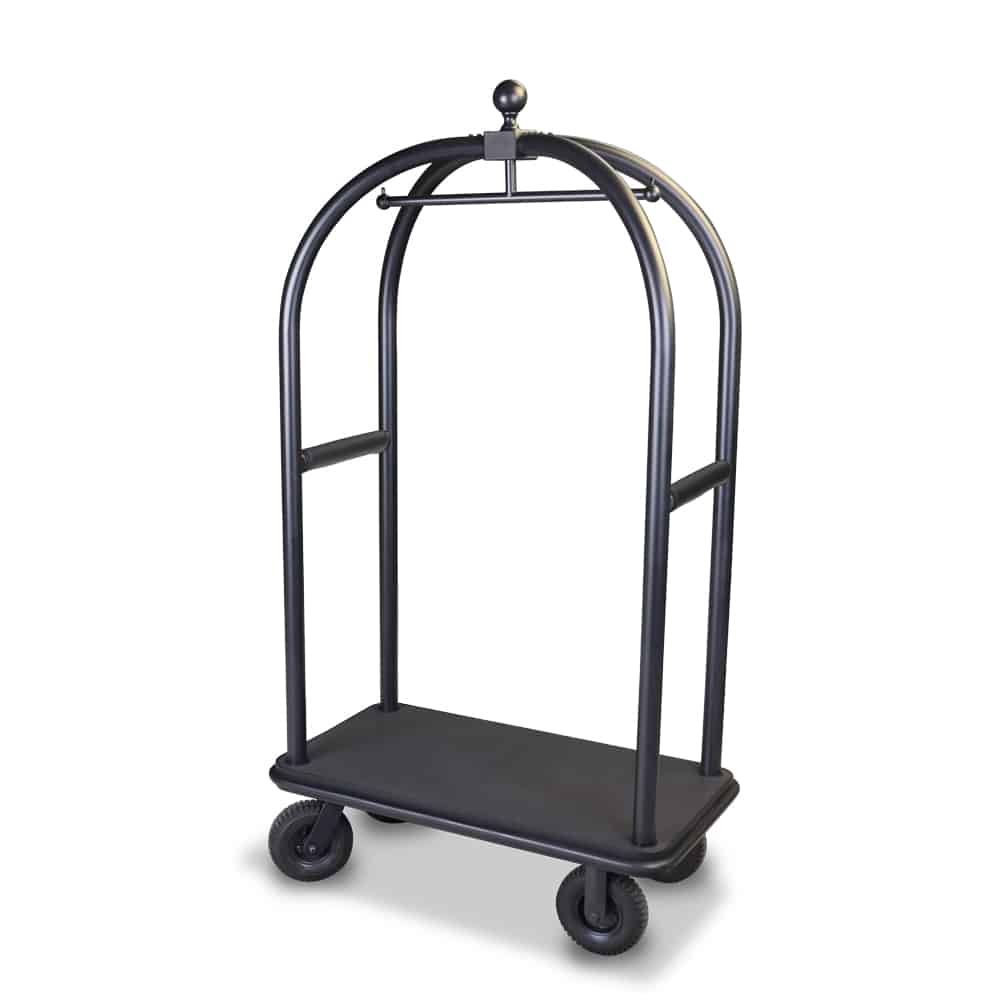
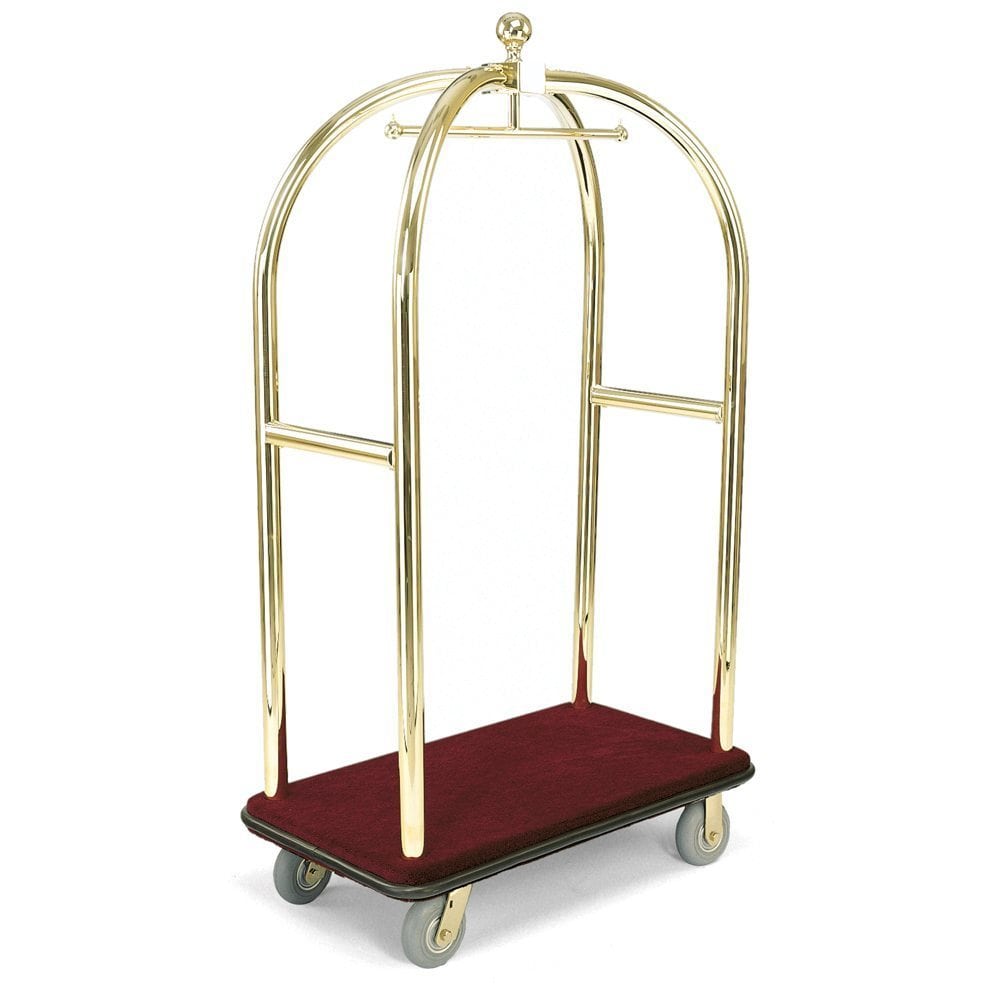
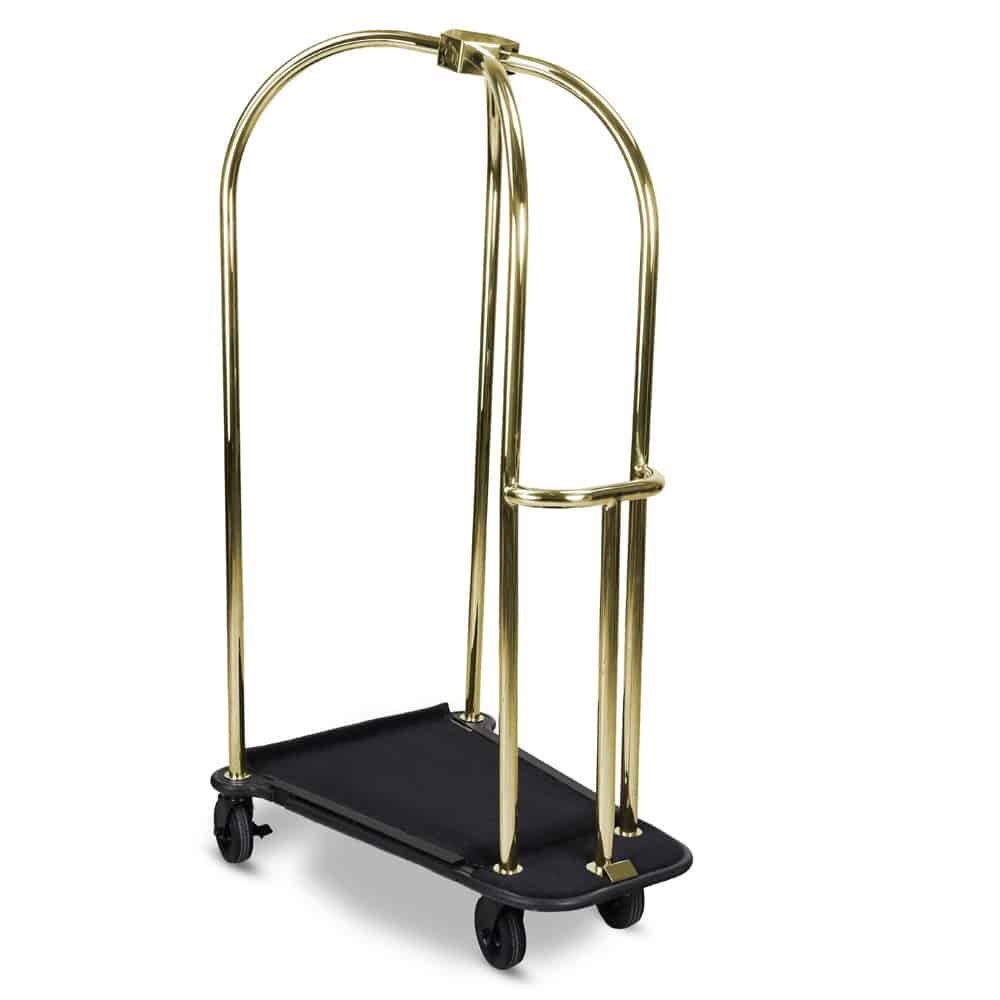
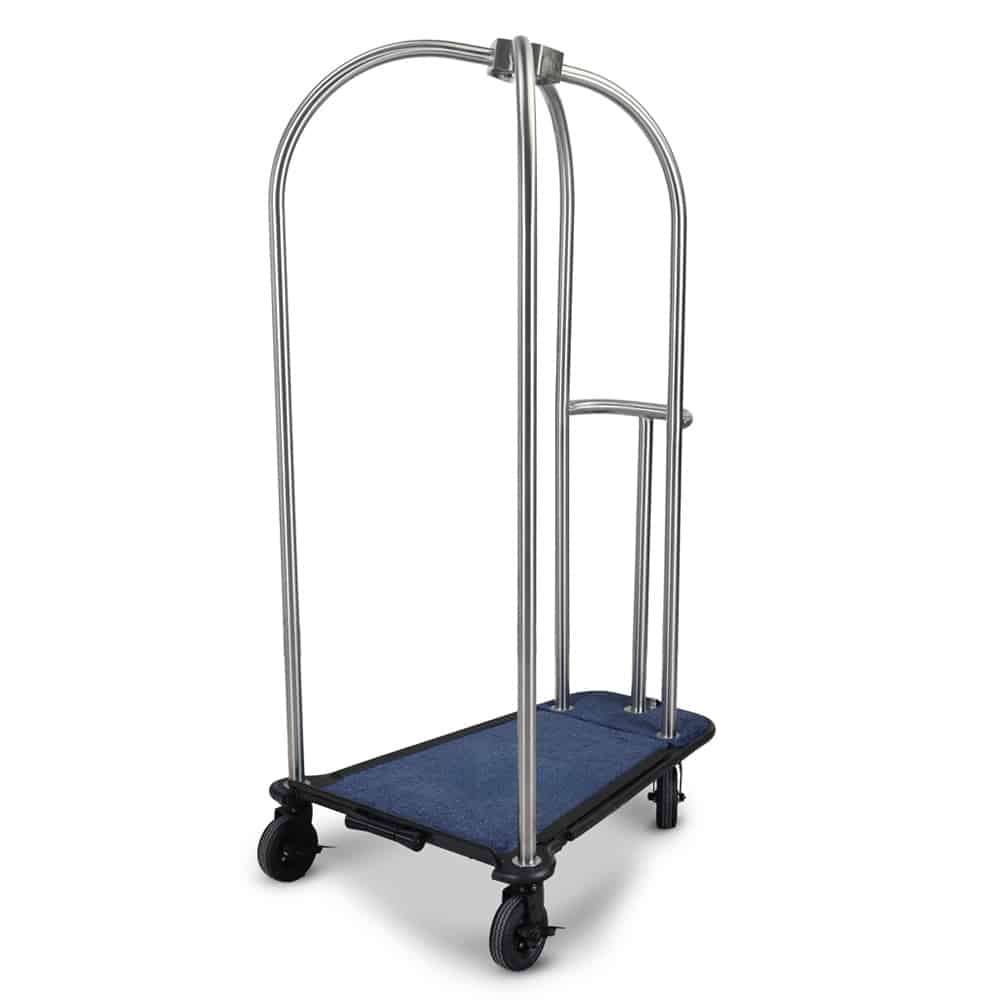
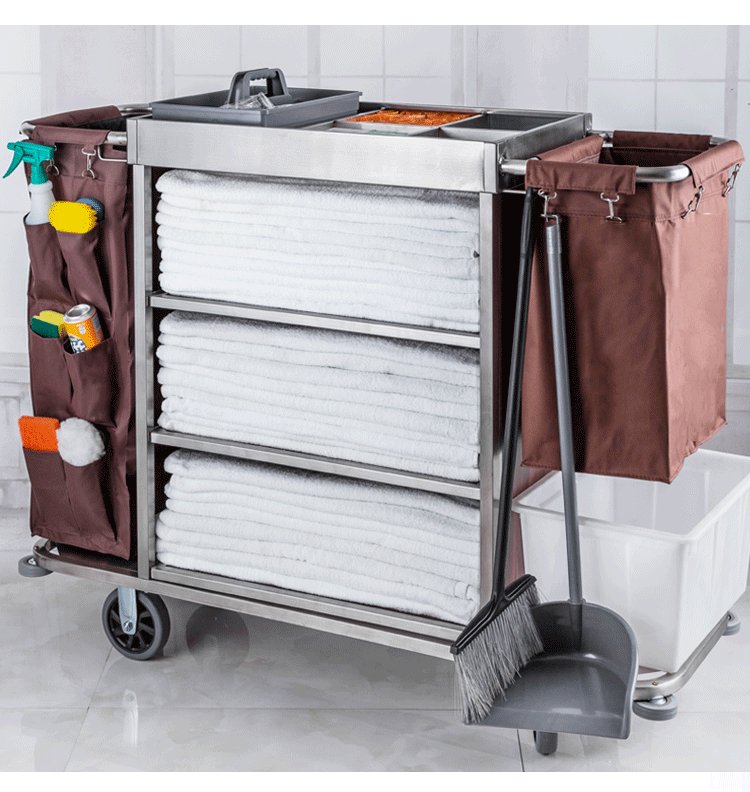
Lightweight aluminium luggage carts fitted with stair-climber tracks reduce spinal loading by up to 56 % (Ohio State University SPINE study). Properties that retrofitted bell closets with height-adjustable electric trolleys reported a 35 % drop in lost-time injuries within 12 months. For banquets, switching from fixed-leg tables to foldable, wheeled models allows two employees to move the same load previously requiring four, while auto-locking safety ladders with 4-inch rubber casters cut ladder falls by half. Implementation roadmap: (1) audit current manual-handling tasks with the free NIOSH lifting equation app; (2) lease versus buy analysis—many vendors now offer per-use rental of powered stair climbers, eliminating capital expenditure; (3) colour-code equipment so banquet carts are instantly distinguishable from laundry cages, preventing cross-contamination that leads to wheel failure. Expected ROI: Zurich North America data show that every USD 1 spent on ergonomic interventions in hospitality returns USD 3.4 through reduced claims and overtime savings.
Method 2 – Codify Standard Operating Procedures & Skill-Based Training
Training must go beyond generic videos. The “Power Lift 5-Step” protocol—feet shoulder-width, neutral spine, load close, bend hips-knees, smooth ascent—should be drilled quarterly with 10 kg sandbags in the actual corridor width of your oldest wing. Marriott International’s 2021 pilot at 30 resorts introduced micro-learning: three-minute WhatsApp clips followed by a digital quiz; properties saw a 27 % reduction in strain claims. For banquets, create a “Table-Flip Drill” where teams practise a 300-person room reset under stopwatch while safety observers film; reviewing footage cuts unsafe acts by 40 %. Certifications should expire every 24 months, tied to shift eligibility. Integrate role-play for non-English speakers—visual storyboards outperform text-heavy handouts—and keep classes under 20 minutes to respect peak-hour staffing constraints. Reinforce learning with peer-to-peer spot checks: employees are three times more likely to correct a colleague than a supervisor.
Method 3 – Optimise Workflow & Conduct Proactive Risk Assessments
Workflow redesign attacks the hazard at its source. Introduce a “Red Tag” policy: any suitcase over 23 kg receives a bright tag, signalling mandatory two-person lift or stair-climber use. Luggage staging zones on every third floor cut round-trip distance by 18 %, translating into 1.2 fewer kilometres walked per porter per shift. In banquets, institute a 15-minute “Pre-Con Huddle” using a one-page JSA (Job Safety Analysis) checklist: identify trip hazards, assign dolly routes, confirm ladder inspection, and set a realistic completion time that cannot be overridden by sales staff. Embed buffer time into contracts—clients pay a 5 % surcharge for flips under 60 minutes, discouraging unrealistic schedules. Digital tools like iAuditor allow real-time photographic documentation; when a frayed carpet edge is logged, engineering receives an automatic ticket before the next event. Over two years, Hilton’s UK conference hotels that adopted dynamic risk assessments recorded a 48 % decline in near-miss reports, indicating that small hazards are being trapped before they become recordable injuries.
Section 4 – Implementation Keys & Employee Engagement
Ownership starts at the top. When the general manager schedules quarterly “Safety Gemba Walks” at 05:00 during the heaviest luggage window, staff recognise that production speed is not the sole KPI. Resource commitment must be visible: a dedicated annual capex line for ergonomic tools, and a policy that any employee can “stop the line” without retaliation. Communication materials must mirror workforce demographics—Spanish, French, or Tagalog subtitles on micro-learning videos increase completion rates by 33 %. Create cross-departmental “safety champions” who earn a USD 200 quarterly bonus for every validated improvement suggestion; at Mandarin Oriental Boston, this scheme generated 78 actionable ideas in Year 1, including a magnetic knife strip that reduced banquet cutlery cuts. Finally, embed safety into performance reviews: a banquet captain’s bonus is 10 % tied to her team’s zero-injury record, reinforcing that safe behaviour is career-enhancing, not bureaucratic box-ticking.
Section 5 – Continuous Improvement & Evaluation
What gets measured gets managed. Track five metrics monthly: (1) OSHA incident rate, (2) Days Away Restricted or Transferred (DART), (3) near-miss count, (4) training compliance %, and (5) safety suggestion implementation rate. Publish a one-page dashboard in the back-of-house corridor; transparency drives competition among departments. Conduct bi-annual third-party audits focusing on equipment wear—worn-out dolly wheels or loose ladder rivets are leading indicators of future accidents. After each audit, hold a 30-minute “Learning Cell” meeting: multidisciplinary teams use a fish-bone diagram to root-cause any spike above the rolling three-month average, then update SOPs within 14 days. Share lessons across the brand’s global intranet; a carpet-snag hazard flagged in Singapore can prevent a slip in San Francisco. Continuous improvement transforms the Top 3 Ways to Reduce Injuries in Hotel Staff: Focusing on Luggage & Banquet Setup from a one-off campaign into a living management system.
Section 6 – Frequently Asked Questions
Q1: ROI on ergonomic tools? A 2023 Gallagher Bassett hospitality benchmark shows properties with powered luggage trolleys experience 0.9 fewer lost-time injuries per 100 FTE annually, saving roughly USD 68 000 in claims and replacement labour—payback in 14 months.
Q2: Staff resistance to new carts? Pilot the equipment with respected senior porters first; once influencers adopt, peer pressure follows. Rotate schedules so everyone experiences reduced physical fatigue.
Q3: Peak-season staffing versus safety? Pre-contract extra agency workers 30 days ahead; include a mandatory two-hour safety orientation fee in the agency rate, preventing the “no time to train” excuse.
Q4: Quick wins tonight? Apply glow-in-the-dark tape to ladder edges, enforce closed-toe shoes for all temp staff, and relocate linen cages out of banquet traffic lanes.
Q5: Best-practice sharing? Join the AHLA Safety Committee webinars and download the free OSHA “Hotel eTool” modules, updated yearly with case studies.
Section 7 – Authoritative Resources & Further Reading
Consult OSHA Publication 3596, “Preventing Musculoskeletal Injuries in Hotel Housekeeping,” for regulatory alignment. The Cornell University School of Hotel Administration hosts an open-access video library on safe lifting biomechanics. Equipment suppliers such as Magliner (stair-climbing hand trucks) and Zarges (lightweight banquet ladders) publish load-capacity white papers that can be attached to capital-expenditure requests. For structured learning, the Certified Hotel Safety Manager (CHSM) credential offered by the International Association of Safety & Health Professionals includes a hospitality-specific module on manual handling. Finally, the book The ROI of Ergonomics by Dan MacLeod provides templates for converting injury data into CFO-friendly financial narratives.
Conclusion
Preventing injuries in luggage and banquet operations is not a morale-boosting luxury—it is an operational imperative. By combining ergonomic hardware, rigorous training, and dynamic workflow controls—the Top 3 Ways to Reduce Injuries in Hotel Staff: Focusing on Luggage & Banquet Setup—hotel leaders can cut claims by up to 50 % within two fiscal cycles. Start today: pick the highest-risk task revealed by your last incident log, fund the matching intervention from this playbook, and schedule a 30-day review. Consistency beats complexity; sustained micro-improvements will compound into a culture where employees and guests alike feel the confidence that comes from genuine safety leadership.