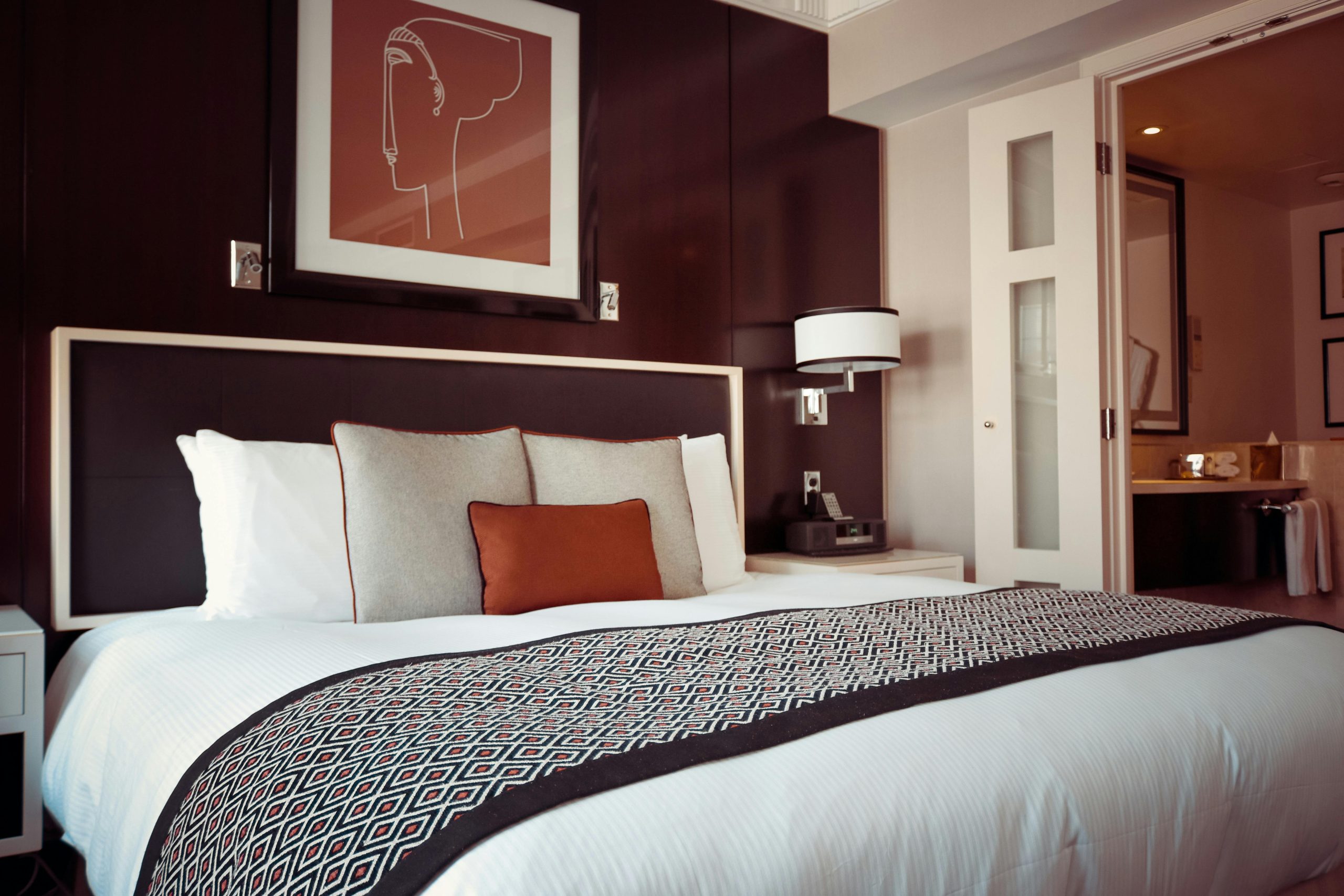
You know the moment: you push open the hotel-room door, kick off your shoes, and belly-flop onto the bed. The sheets seem to sigh, the pillows puff up like they’re happy to meet you, and you swear the mattress gives you a discreet high-five. Cue the inevitable question muffled by 400-thread-count cotton: “Why can’t my bed feel like this?”
Spoiler: it’s not unicorn down or NASA-engineered fairy dust. Hotel beds are comfy on purpose—every fiber, stitch, and layer is chosen to survive a thousand spin cycles, delight the pickiest guest, and still look Instagram-perfect the next morning. Below, we’ll peel back the covers (literally) to reveal the science, shopping hacks, and pro-level tricks you can steal for your own bedroom. Ready to turn home into a five-star suite? Let’s tuck in.
The Core Components of Hotel Bed Comfort
Think of a hotel bed as a club sandwich: each layer has a job, and together they create edible—er, sleepable—magic.
The Mattress: Most chains don’t splurge on the $8,000 hand-tufted unicorn-hair model you saw on that luxury blog. Instead they buy medium-firm, high-coil-count (or high-density foam) units that balance support and “ahhh.” Support layers keep your spine neutral; comfort layers (often plush latex or gel-infused foam) cradle hips and shoulders. Translation: no waking up feeling like you slept on a park bench.
Mattress Toppers & Encasements: A two-inch down-alternative or memory-foam topper is the hospitality industry’s cheap date: instant cloud vibes for under a hundred bucks. Encasements zip around the whole mattress—bed-bug armor plus an extra smooth surface.
Pillows: Hotels stack at least two per person: one soft (down or down-alternative) and one medium-firm (foam or feather blend). The variety covers every sleep style—side, back, or “starfish.” Loft (height) matters: side-sleepers need loft to fill the gap between ear and shoulder; stomach-sleepers need a pancake.
Bed Linens: Cotton rules. Long-staple fibers (think Egyptian or Pima) make yarn that’s smoother, stronger, and less linty. Weave determines personality: percale feels crisp and cool (like a freshly ironed dress shirt), sateen feels silky and warm (like that dress shirt after you’ve danced in it for an hour).
The Layering System: Sheet → blanket → duvet → optional bedspread. Each piece is lightweight on its own; together they create adjustable warmth. Too hot? Kick off the duvet. Too cold? Add the blanket. Goldilocks never had it so good.
Material Science Behind the Comfort
Let’s get nerdy—without the lab goggles.
High-Quality Fabrics: Long-staple cotton has fewer fiber ends poking out, so sheets pill less and stay smooth wash after wash. Percale’s one-yarn-over-one-under weave maximizes airflow; sateen’s four-over-one traps heat and reflects light, giving that subtle sheen.
Fillings & Insulation: Down clusters trap air like tiny thermoses, giving warmth without weight. Down-alternative (polyester microfiber) mimics that loft and is hypoallergenic, cheaper, and dryer-friendly. Memory foam contours, latex bounces, and feather blends offer adjustable squish—hotels mix and match to hedge their bets.
Crisp vs. Luxurious: That “hotel crisp” is percale plus commercial starch and a 200°F press. The “luxurious drape” is sateen plus fabric softener and a lower drying temp. You can replicate both at home with the right weave and laundry hacks (see below).
Hotel Selection Criteria for Bedding
Next time you’re tempted to smuggle that pillow into your suitcase, remember: the hotel chose it for six very un-sexy reasons.
Durability: A typical hotel sheet endures 150–200 washes a year. Long-staple cotton and double-ply yarns survive the industrial spin cycle that would shred your discount-store set.
Easy Maintenance: White linens mean one bleach bath annihilates makeup, coffee, and mystery stains. No color-fade, no sorting lights from darks—housekeeping loves efficiency.
Guest Comfort: Chains survey fatigue like the NSA surveys metadata. If 10% of guests complain about lumpy pillows, the purchasing manager hears it—fast.
Cost-Effectiveness: A $40 pillow that lasts 18 months beats a $20 pillow that dies in six. Hotels amortize everything; comfort must also pencil out.
Brand Image: Luxury equals white, fluffy, and plentiful. Mid-scale equals clean, crisp, and adequate. Bedding is a billboard you sleep on.
Bulk Purchasing: Marriott buys more cotton in a quarter than you will in a lifetime. Those economies of scale let them score premium goods at IKEA prices.
How to Replicate Hotel Comfort at Home
Good news: you don’t need a 300-room budget. Focus on the 80/20 of slumber luxury.
Key Investments:
- A 2–3 inch down-alternative or memory-foam topper (instant mattress facelift).
- Long-staple cotton sheets, 250–400 thread count percale for cool, 300–600 sateen for cozy. Sweet spot brands: Parachute, Brooklinen, or hotel suppliers like Matteo.
- Two pillow densities: soft down-alternative (stomach) + medium gel-foam (side/back). Try Slumbr’s “Camber” or the Wamsutta Extra-Firm.
Material Know-How: Look for “100% long-staple cotton,” “Egyptian” or “Pima/Supima,” and “single-ply.” Ignore 1,000-thread-count marketing—often multi-ply yarns inflated like a TikTok résumé.
Layering Tricks: Use a lightweight cotton blanket between sheet and duvet; it wicks moisture and adds just-enough weight for that cuddle-therapy vibe. Fold the duvet halfway down so the blanket shows—voilà, boutique-hotel visuals.
Pro Laundry Hack: Wash sheets with ½ cup baking soda for crispness, add white vinegar to the rinse, then stretch and snap them before drying on medium. Remove barely damp and iron the pillowcases—crisp collar, happy cheek.
Beyond the Bedding: Contributing Factors
Even the Ritz mattress flops if the room is 85°F and sounds like a subway platform.
Room Environment: Hotels set thermostats to 65–68°F (18–20°C), the range The Sleep Foundation calls “thermal neutrality.” Black-out curtains and double-pane glass nix light and noise—DIY with $40 blackout panels and a $25 white-noise machine.
Psychology: Vacation mode lowers cortisol, so your brain literally perceives the bed as softer. Recreate the vibe: no laptop in bed, no doom-scrolling, maybe a pre-sleep playlist titled “Maui 2022.”
Bed-Making Mojo: Housekeepers pull sheets drum-tight, creating a gentle hammock effect. Tuck hospital corners, then “letter-fold” the duvet at the foot so feet can breathe. Bonus points for spritzing lavender linen spray—aroma is the cheat code to memory.
Frequently Asked Questions
Q1: Is a higher thread count always better for sheets?
Nope. After 400–500 single-ply threads, returns diminish and marketing multiplies. Focus on long-staple cotton and weave style instead.
Q2: What is the difference between a duvet and a comforter?
A duvet is a fluffy insert that needs a removable cover (easier to wash); a comforter is one-piece, often quilted, and usually flatter. Hotels love duvets for bleachable covers and quick swaps.
Q3: Why do hotel pillows often feel more supportive?
They over-stuff slightly, then double-bag in a firm pillow protector. Your head meets a plump surface that compresses just enough—like a pre-fluffed marshmallow.
Q4: Can I buy the exact same bedding used by my favorite hotel?
Often yes. Marriott, Hilton, and Westin sell their signature lines online. Otherwise, check the tag for brand names like Simmons, Serta, or Pacific Coast, then hunt retail equivalents.
Q5: What is the most important single item to upgrade for a hotel-like bed?
A high-quality mattress topper. It’s the fastest, cheapest way to overhaul feel without swapping the whole mattress.
Resources and Further Reading
- International Sleep Products Association (ISPA) – industry standards and mattress longevity data.
- The Sleep Foundation – science-backed bedroom environment tips.
- Retailers stocking hotel-grade goods: The Company Store, Overstock’s Hotel Collection, Amazon’s Hotel Sheets Direct.
- YouTube tutorial: search “hospital corners” for a 60-second folding demo that would make a Navy nurse proud.
Conclusion
Hotel beds aren’t magic; they’re method—premium materials chosen for durability, layered for adaptability, and maintained with military precision. The good news? You can hack the playbook one piece at a time. Swap in a cloud-like topper, graduate to long-staple cotton, and master the hospital corner. Your bedroom will start delivering vacation-level sleep on a Tuesday night, no room key required.
So pick your first upgrade—maybe those crisp percale sheets you’ve been eyeing—and make tonight feel like a five-star getaway. Because the best part of any trip is coming home… to an even better bed.