Ever stared at a hotel-booking screen wondering, “Why is that room called a suite—and do I secretly need one?” You’re not alone. The travel industry loves to toss around the word “suite” like confetti, leaving the rest of us guessing whether it’s code for “palatial paradise” or just “regular room with a couch.” This article answers the nagging question: What is a hotel suite, and how does it differ from a standard hotel room? By the end, you’ll know exactly what you’re paying for—and when the splurge actually makes sense.
Defining a Hotel Suite: Core Characteristics
At its core, a suite is more than a single rectangle with a bed. Think of it as a mini-apartment: at minimum you’ll find two clearly defined zones—a place to sleep and a separate place to live, work, or entertain. Doors, partial walls, or even sliding panels usually divide the areas, so you don’t have to stare at your rumpled sheets while you eat room-service fries.
Typical physical perks:
- A sofa or armchairs that aren’t just wedged against the AC unit.
- A table or desk where you can open a laptop without balancing it on the ironing board.
- Kitchenettes (mini-fridge, microwave, sometimes a stovetop) or a wet bar.
- Multiple bathrooms—handy when your travel buddy hogs the mirror.
- More closets and drawers than you’ll realistically fill unless you’re Beyoncé.
Suites come in flavors:
- Junior Suite: One big room with a sitting alcove—basically a standard room that went to finishing school.
- Executive Suite: True separation between bedroom and living room, geared toward road-warriors who need a printer and a boardroom vibe.
- Presidential (or Royal) Suite: Multi-room showstopper with dining table, powder room, maybe a grand piano—think Homeland meets Downton Abbey.
- Family or Hospitality Suite: Two bedrooms sharing a common living space—perfect for parents who love their kids but not their 5 a.m. cartoons.
Contrasting with a Standard Hotel Room: Key Differences
Space & Layout: A standard U.S. hotel room averages 325–400 sq ft, all in one blob. Suites start around 500 sq ft and climb quickly; the living space alone can eclipse an entire standard room. Picture the difference between a studio apartment and a one-bedroom—same idea.
Room Separation: In a standard room, the “office” is the bed tray; the “dining room” is the bed; the “entertainment lounge” is… still the bed. Suites give you actual geometry: walls, doors, sometimes hallways. You can binge Netflix while your partner sleeps, or conduct a Zoom call without broadcasting your pillow creases.
Amenities & Facilities: Standard rooms might offer a Keurig and a plastic ice bucket. Suites add dishware, glassware, full-size fridge, maybe a dishwasher. Bathrooms graduate from “coffee-cup staging area” to spa-like zones with soaking tubs and separate showers.
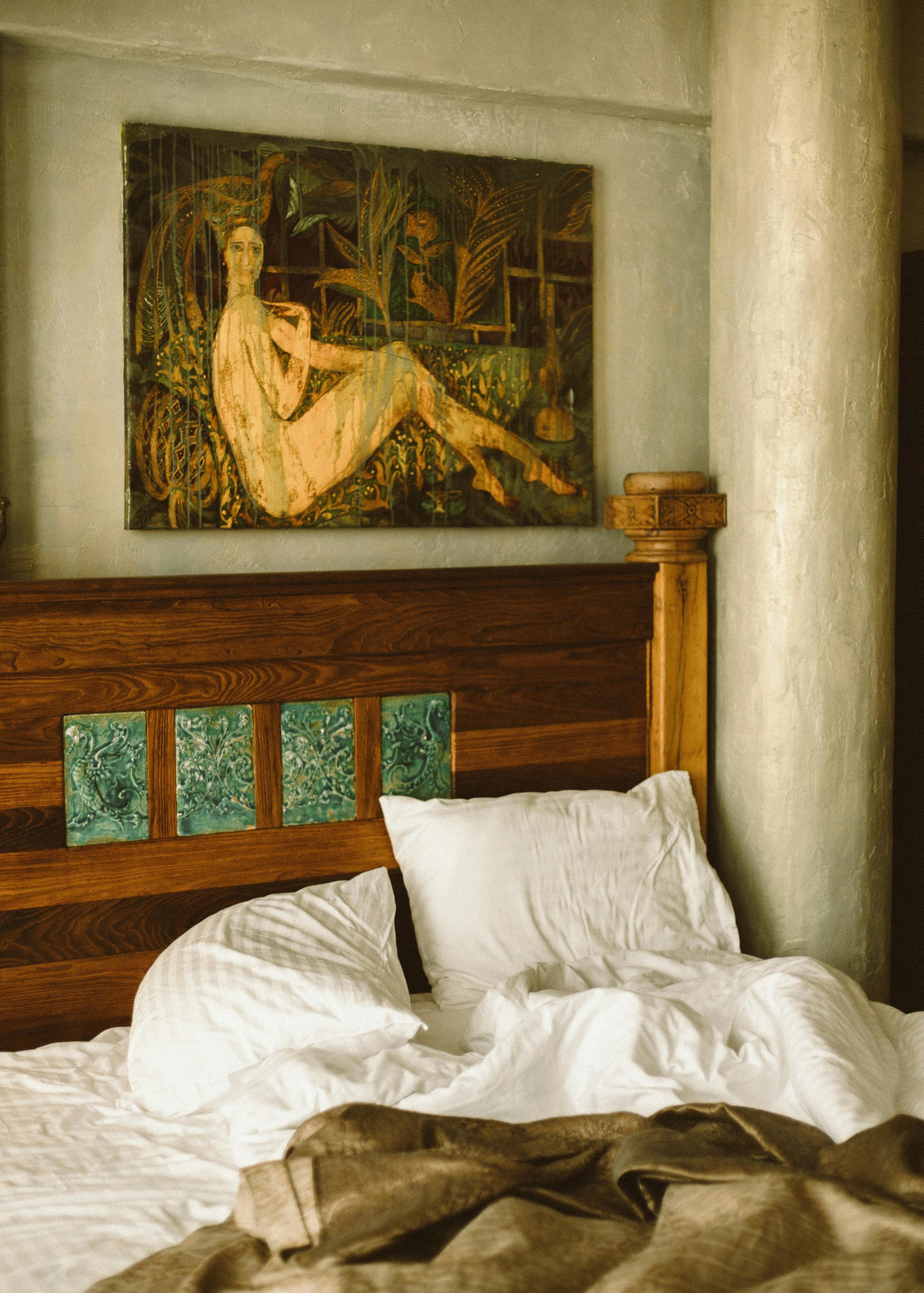
Furnishings & Comfort: Hotels use suites to showcase their nicest stuff—plush sectionals, king mattresses that feel like clouds, and artwork that wasn’t mass-produced in a ship container. You’re paying for the interior-design equivalent of upgrading from IKEA to West Elm.
Privacy & Noise: Because bedrooms are tucked farther from the corridor, suites buffer you from the 2 a.m. elevator ding or that guest rehearsing karaoke. If you’ve ever tried to get a toddler to nap while housekeeping knocks, you’ll understand the magic of a door that actually closes.
Purpose & Benefits of Choosing a Suite
Families: Cribs, toys, and snack messes can stay in the living area; grown-ups reclaim the bedroom. No more lights-out at 8 p.m. just because the kids crashed.
Extended Stays: Eating every meal out drains the wallet faster than Vegas slots. A kitchenette lets you microwave oatmeal or sauté a post-gym salmon at 9 p.m. in your sweatpants.
Business Travel: Suites double as a private office. You can host a colleague without offering them the bed as seating, and the printer won’t be competing with the hair dryer for the lone outlet.
Special Occasions: Anniversaries, proposals, or “we-survived-2020” celebrations feel fancier when champagne is popped on a sectional instead of a suitcase rack.
Value Proposition: Yes, suites cost more upfront, but divide the nightly rate by the number of people (or the square footage) and you’re often under the price of booking two standard rooms.
Pricing & Value Considerations
Expect to pay 30%–100%+ above a standard room in the same hotel. A STR global survey found the average suite premium hovers around 55%. Variables that nudge the needle:
- Size: Square footage is the biggest lever—more rooms, more money.
- Location: A suite on the Las Vegas Strip commands higher margins than one off the interstate.
- Brand: Luxury flags (think Four Seasons, St. Regis) price suites like rare art; limited-service brands treat them as “nice-to-have” upsells.
- View & Floor: Panoramic corner suite on the 42nd floor? Cha-ching.
Money-saving hacks: Book off-season, target new properties eager for reviews, or snag an upgrade at check-in (politely, with loyalty status and a smile). Sometimes the incremental cost is less than dinner for two—worth it if you planned to order in anyway.
Identifying Suites When Booking
Decoding Terminology: Look for phrases like “separate living area,” “parlor,” “studio suite,” or “bi-level loft.” If the listing says “suite” but shows one open room, read the square footage—under 450 sq ft, it’s probably marketing gloss.
Analyzing Photos: Scroll past the chandelier glamour shot. Check for a sofa, dining table, or second TV—visual proof of distinct zones. No photo of the bathroom? Red flag; it’s likely tiny.
Floor Plans: Booking.com, Expedia, and many chain apps now embed floor plans. If you can measure “walking steps from bed to fridge,” you’re in suite territory.
Amenity Lists: Dishwasher, cooktop, or “powder room” are suite giveaways. A microwave sitting on a dresser is not.
Frequently Asked Questions (FAQ)
What is the minimum requirement for a room to be called a suite?
Industry convention (used by AHLA) says at least two clearly separated spaces—usually a bedroom and a living area—plus a second TV or sofa. A bigger room alone doesn’t qualify.
Is a “Junior Suite” really that different from a standard room?
Marginally. You gain a sitting alcove and maybe a larger bathroom. If you need workspace or a crib corner, it’s helpful; if you just crash and shower, save the cash.
Are suites always more expensive?
Almost always, but the gap varies. On a slow Tuesday in February you might score a junior suite for $20 over standard. During graduation weekend, prepare for sticker shock.
Can I request an upgrade to a suite at check-in?
Yes—especially with loyalty status, polite manners, and availability. Arriving late morning (after early departures but before rush) boosts odds.
Are suites only found in luxury hotels?
Nope. Limited-service brands like Hyatt Place or Residence Inn offer suite-style layouts as their standard room, proving you don’t need a tux to get a door between you and your snacks.
Conclusion
A hotel suite isn’t just a brag-worthy hashtag—it’s a functional upgrade that gifts you space, privacy, and sometimes your own stove. If your trip involves kids, laptops, long stays, or a special celebration, the extra square footage can flip chaos into calm. On the other hand, if you plan to sight-see from dawn to midnight and only need a bed, the standard room remains your thrifty friend. Match the room to the mission, and every vacation (or work-cation) starts with the right set of doors—preferably more than one.
References & Further Reading
- American Hotel & Lodging Association – industry glossary and room-type definitions.
- STR – global hotel performance data and pricing analytics.
- Major chain glossaries: Marriott, Hilton, and Hyatt detail suite categories and amenities.
- Booking platforms with floor-plan filters: Booking.com, Expedia, and Hotels.com.