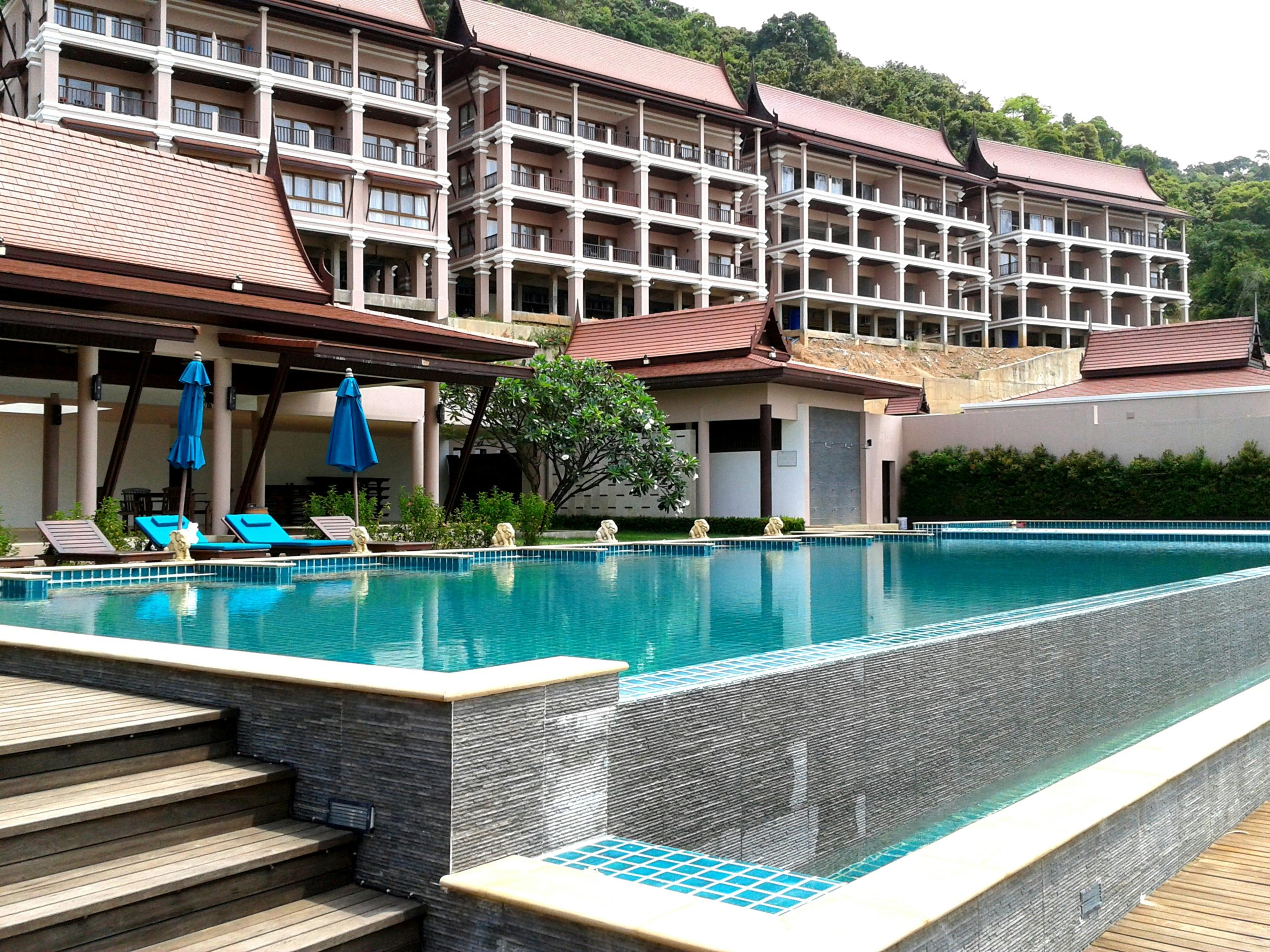
Scroll through any booking site and you’ll see the same parade of “free Wi-Fi,” “city-center location,” and “complimentary breakfast” until the words blur into digital oatmeal. In a marketplace where travelers can flip between 27 browser tabs faster than you can say “cookies,” vanilla claims don’t convert—they evaporate. That’s why savvy hosts obsess over Top Unique Selling Points for Accommodation to Boost Bookings: the crisp, memorable reasons a guest chooses you today, leaves a glowing review tomorrow, and happily pays a premium the next time they’re in town.
A Unique Selling Point (USP) is the answer to the traveler’s silent question: “Why should I care?” It’s not the pool itself; it’s the only rooftop infinity pool in the state that faces a sunset so gorgeous even the local seagulls stop to watch. When you articulate that difference clearly, you don’t just win a reservation—you earn loyalty, higher RevPAR, and the kind of word-of-mouth marketing money can’t buy.
Defining Effective USPs for Accommodation
What is a *Genuine* USP? Anything every competitor can also claim—queen beds, hot water, or “friendly staff”—is table stakes, not a headline. A genuine USP is tied to place, story, or experience. Think: a 200-year-old windmill turned micro-hotel where guests grind their own flour for pancakes at sunrise. That’s impossible to copy-paste.
Core Characteristics of Compelling USPs start with authenticity (you can actually deliver), are experience-driven (they promise a feeling), and solve a problem (no more boring Sunday checkout because your brunch is hosted by a DJ-spinning vinyl in the greenhouse). When these three circles overlap, you hit conversion gold.
The Direct Impact: According to Phocuswright’s latest travel report, properties that lead with differentiated experiences enjoy up to 18 % higher click-through rates on OTA listings and a 12 % lift in average daily rate—proof that travelers will pay extra for something they can’t get next door.
Identifying & Leveraging Key USP Categories
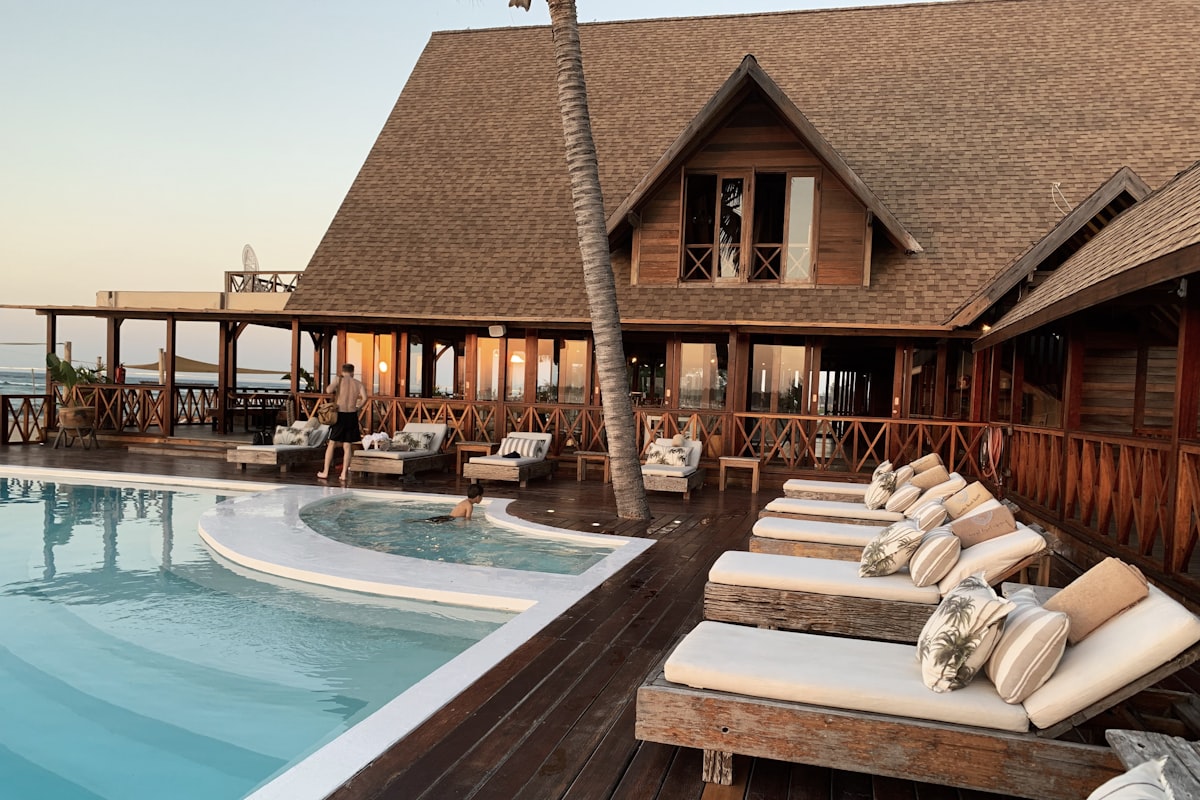
Location & Setting: Maybe you’re 50 yards from the trailhead of a National Scenic Trail, or your backyard is a vineyard where guests harvest grapes at dusk. Pin the map, tell the story, own the coordinates.
Property Design & Ambiance: Mid-century furniture scavenged from local estate sales, a secret library behind a revolving bookcase, or blackout curtains stitched from upcycled surf sails—design details double as Instagram bait.
Exceptional Guest Experiences: Offer a “Babymoon Butler” who delivers midnight pickle & ice-cream cravings, or a stargazing session with an astronomer and hot cocoa. Experiences create emotional memories rooms alone can’t.
Targeted Niche Appeal: Cater to van-life digital nomads with outdoor workstations and Starlink, or to gluten-free families with a dedicated GF kitchenette. When you speak to a tribe, the tribe speaks back—with five-star reviews.
Technology & Convenience: Keyless entry that texts a QR code before arrival, smart thermostats that pre-cool the room based on flight data, or app-controlled blackout shades for parents whose hands are full of toddler and teddy bear.
Sustainability & Values: Solar panels, refillable toiletry stations, and partnerships with local conservation nonprofits attract the 72 % of travelers who, Booking.com’s Sustainable Travel Report shows, want greener choices.
Exclusivity & Uniqueness: One cabin built inside a decommissioned airplane wing, or the only B&B licensed to serve foraged morel mushrooms—if it’s “only here,” say it loud.
Strategies to Discover & Develop Your Property’s USPs
Start with a Competitive & Market Gap Analysis: comb through Airbnb, Booking, and Google Hotels filters in your area. If every listing touts “pet-friendly,” maybe the gap is “cat-only penthouse with climbing wall.”
Mine Guest Reviews for gold nuggets. Repeat phrases like “felt like sleeping in a treehouse” or “best night’s sleep ever” are raw USP ore—polish them into headlines.
Perform an Objective Property Audit: walk the guest journey with a smartphone recording every sense: smell of lavender by the gate, sound of church bells at 7 a.m., sight of alpaca silhouettes on the hill. Sensory moments become marketing lines.
Align USPs with Audience Desires: If your target is Gen-Z road-trippers, emphasize free parking, 24-hour snack bar, and TikTok-worthy neon signs. For retirees, swap those for walk-in showers, bedside reading lights, and early-bird dinner discounts.
Brainstorm Unique Packages: “Bike & Brew” weekend with partner brewery, or “Digital Detox” that locks phones in a timed safe and supplies board games. Bundles make ordinary nights bookable occasions.
Communicating USPs Effectively to Boost Bookings
Your website headline should scream the USP before the fold: “Fall asleep under 2,000 stars—our glass-roofed cabins are 30 minutes from Zion.” Then back it up with compelling visual storytelling: 15-second drone clips at golden hour, 360° room tours, and alt-text that reads like mini-billboards for SEO.
On OTA listings, place the USP in the first 120 characters; mobile users see only a snippet. Swap generic amenities for emotional triggers: “Private cedar hot tub overlooking elk migration path” beats “outdoor tub.”
Content Marketing: blog posts like “How to photograph the Milky Way from your cabin porch” rank for long-tail search and seed social media. Embed a “Book this view” button mid-article to shorten the path to purchase.
Leverage Social Proof: screenshot the guest who wrote, “Woke up to dolphins outside my window,” and pin it to your Instagram story highlights. Travelers trust travelers more than they trust you.
Craft Targeted Ads: Facebook look-alike audiences who engaged with #astrophotography content see your “Dark-Sky Suite” offer, while LinkedIn ads pitch corporate retreats to HR managers whose companies value carbon-neutral venues.
Measuring the Impact of USPs on Bookings
Track conversion rates in Google Analytics 4 segmented by landing page: did the “seawater infinity pool” page convert 9 % higher than the generic homepage? That’s money in the water.
Monitor review sentiment with tools like TrustYou or Revinate; spikes in mentions of “vegan breakfast” after you launched that USP confirm resonance.
Compare RevPAR pre- and post-USP campaign. A 6 % uplift might sound modest, but on a 20-room property at $200 ADR, that’s an extra $8,800 per month—enough to pay for the rooftop yoga deck.
Finally, check page engagement: average time on the “Soundproof Rooms” blog post is 2:45 versus 0:58 site-wide? Readers are soaking in the promise; retarget them with a “Quiet Zone” package ad.
Case Studies & Real-World Examples
Boutique Hotel: The 21c Museum Hotel chain turned empty urban lofts into contemporary art galleries where guests sleep among curated exhibits. Result: ADR 28 % above local comps and national press in The New York Times.
Vacation Rental: A Portland carriage house installed a vinyl listening lounge with 1,000 classic records. Occupancy jumped from 68 % to 93 % year-round, and the host now charges a $40 “vinyl deposit” guests happily pay.
B&B: A Scottish Highlands innkeeper added a “Wilderness Marriage Proposal” service—complete with hidden photographer and champagne on a mountain peak. The package went viral on TikTok, pushing bookings six months out.
Frequently Asked Questions (FAQ)
Q1: How many USPs should my property focus on?
Three is the magic number: one primary (headline), one secondary (backup headline), and one micro (surprise-and-delight detail). More and you’re shouting; fewer and you’re monotone.
Q2: What if my competitors copy my USP?
Evolve. If everyone suddenly has a rooftop beehive, add a “honey-and-whiskey” tasting or partner with a local ceramicist for custom honey jars. Continuous innovation is the moat.
Q3: How do I promote a USP that isn’t visually obvious?
Use storytelling: a 30-second video of a sound-level meter dropping from 55 dB to 25 dB after the door closes proves your soundproofing faster than a photo of drywall.
Q4: Are USPs more important than price?
For experience-seekers, absolutely. A Skift survey found 54 % of U.S. travelers would pay 20 % more for “once-in-a-lifetime” lodging. Own the narrative and you own the wallet.
Q5: How often should we review and update our USPs?
Quarterly for minor tweaks, annually for major pivots—same as your revenue management strategy. Travel trends move faster than hotel slippers on a polished floor.
Further Resources & Tools
Industry intel: Phocuswright, Skift, and Hotel News Resource for trend reports.
Competitive analysis: Use Ahrefs for keyword gaps, Trello to track amenity audits, and Revinate for review sentiment dashboards.
Reading list: “The Experience Economy” by Pine & Gilmore; “Hotel Success Handbook” by David M. Allen; and the free Booking.com Accelerator toolkit for optimizing OTA pages.
Conclusion
In a world of algorithmic search results and endless scroll, your future guest is really searching for a feeling—belonging, wonder, relief, delight. The Top Unique Selling Points for Accommodation to Boost Bookings are simply the clearest bridge between what you already offer and what they already crave. Identify the story only you can tell, shout it from the digital rooftops, and watch browsers become believers, one unforgettable stay at a time. Ready to audit your property? Start today; the next five-star review is already writing itself.