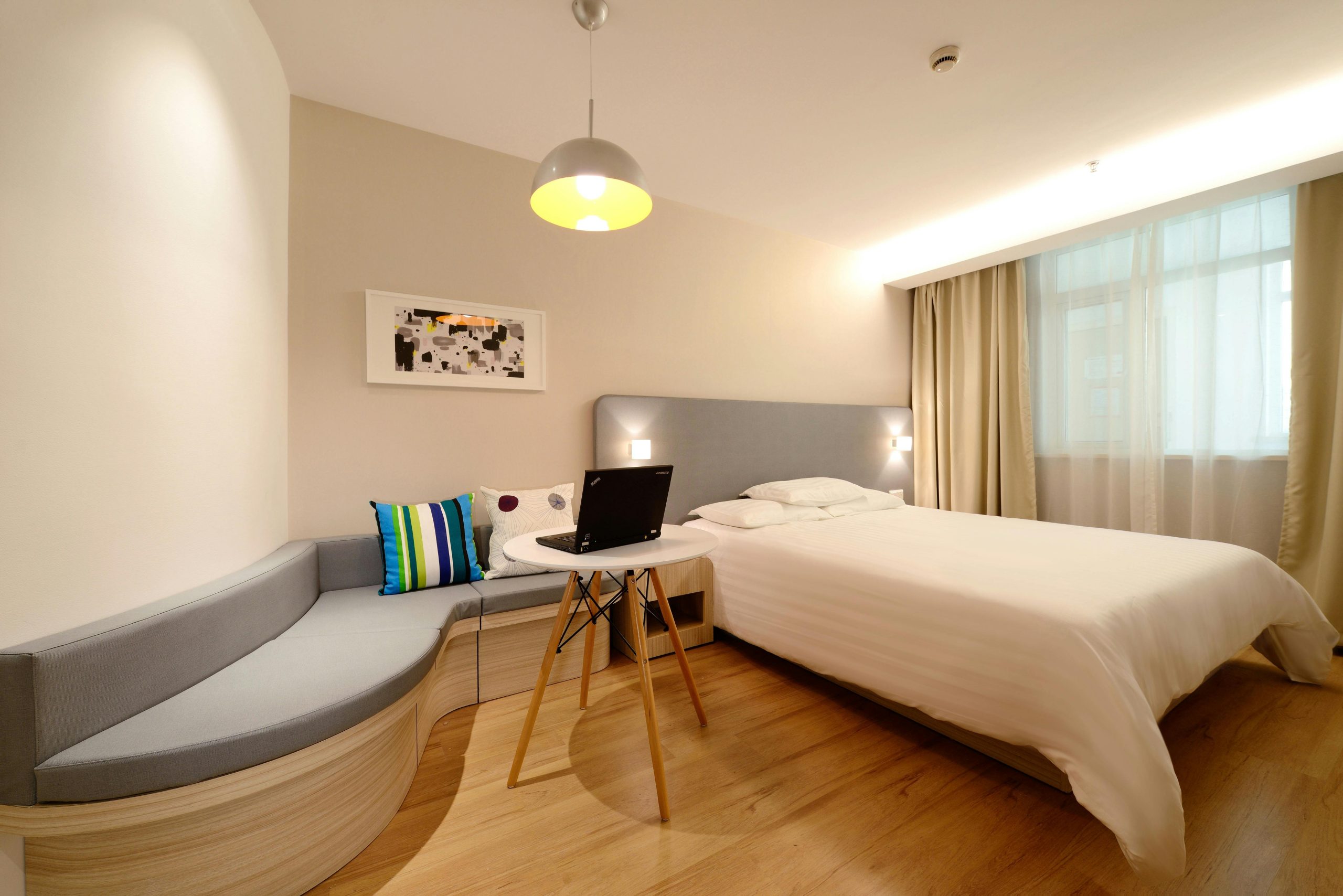
Understanding Standard Hotel Room Dimensions in 2026
Ever tried to do yoga in a shoebox? That’s what a poorly planned hotel room can feel like. Whether you’re a developer crunching numbers, a designer hunting for inspiration, or a traveler who just wants to open a suitcase without pole-vaulting over the bed, “Standard Hotel Room Dimensions: Sizes & Layout Guide 2026” is the cheat-sheet you didn’t know you needed. In 2026, square footage isn’t just real estate—it’s the silent ambassador of your brand, the difference between a five-star review and a rant about “claustrophobic chic.” Stick around and you’ll learn exactly how many inches you need between the nightstand and the wall before guests start posting memes about it.
User Intent Analysis & Knowledge Needs
Google processes more than 3.5 billion searches a day, and a surprising chunk of them boil down to: “How big should a hotel room actually be?” People aren’t looking for abstract philosophy—they want numbers they can plug into CAD, budgets they can defend to investors, and reassurance that the rooms won’t feel like a subway car at rush hour. In short, they want the “standard” that isn’t printed on the glossy brochure. This guide delivers the cold, hard dimensions, but also the context: why a 12-foot-wide room feels palatial in London and cozy in Texas.
Core Dimension Data & Specifications
Let’s talk turkey—preferably a turkey that fits comfortably between bed and desk.
Standard Room Size Ranges by Hotel Type
Economy/Budget Hotels: 165–195 sq ft (15–18 m²). Think of it as the studio apartment of hospitality: bed, shower, emoji-sized desk. Brands like Motel 6 and easyHotel treat every inch like airline cargo space—if it doesn’t earn, it doesn’t stay.
Midscale & Focused-Service: 200–275 sq ft (18.5–25.5 m²). Hampton, Holiday Inn Express, and their cousins give you just enough floor area to swivel a carry-on without performing a three-point turn.
Full-Service & Luxury: 325–450 sq ft (30–42 m²). Here you can actually spread out that yoga mat—maybe even invite it to brunch.
Boutique and Lifestyle: 250–400 sq ft (23–37 m²). Size varies wildly because “boutique” is code for “personality over playbook,” but guests still expect a queen bed plus an Instagrammable accent chair.
Resort Hotels: 400–650 sq ft (37–60 m²) and up. When the room doubles as your vacation headquarters, closets morph into walk-in caves and balconies count as bonus real estate.
Key Room Component Dimensions
Beds: Twin 39 × 75 in, Full 54 × 75 in, Queen 60 × 80 in, King 76 × 80 in. Add 4 in for frames and you’ve got the difference between shin bruises and sweet dreams.
Bathrooms: Three-piece (shower, vanity, toilet) can squeeze into 30 sq ft net; a luxe five-piece with soaking tub demands 55–65 sq ft. Tip: a 30-inch-wide shower feels roomy until you drop the soap.
Circulation: You need 36 in (91 cm) of walkway—roughly the wingspan of a tall teenager—to comply with most fire codes and guest dignity.
Furniture: Work desk 48 × 20 in, lounge chair 30 × 32 in, wardrobe 24 in deep. Anything deeper and guests will hang clothes, hopes, and probably their emotional baggage.
Clearance & Accessibility Requirements
ADA mandates 32-inch clear door width, 30 × 48-inch approach space at fixtures, and a 60-inch turning circle for wheelchairs. Translation: if you can spin an office chair without hitting both walls, you’re golden. European EN standards mirror these numbers but speak in centimeters—because, metric.
Layout Planning & Space Efficiency
Common Layout Configurations
The Corridor Layout: Bed against the far wall, bathroom tucked sideways—classic, predictable, easy to vacuum in under seven minutes.
Square Plan: Central bed island, circulation ring around it. Psychologically generous because sight-lines stay open; great for London’s footprint-constrained newbuilds.
Suite-Style within Standard Footprint: Use a half-height wall or shelving unit to carve out a “sleep alcove” and a “living alcove” without adding square footage—IKEA hacks, hotel edition.
Space Optimization Strategies
Multi-functional furniture is the Swiss Army knife of hospitality: ottoman with internal storage, fold-down luggage rack that becomes a bench, or a Murphy desk that flips over to reveal a vanity mirror. Vertical space equals free real estate—48-inch-high wardrobes feel less oppressive than 84-inch ones, yet still swallow a roller bag. Mirrors opposite windows double the perceived width faster than you can say “Zoom background.”
Furniture Placement Guidelines
Create a “landing strip” 18 inches deep just inside the door for bags, then funnel guests toward the window view—humans are moths for natural light. Zone the room like a studio apartment: sleep (carpet/rug), work (task lighting within 24 in of desk), relax (accent chair angled 45° toward TV). Keep 10 inches between bed corner and wall so toes live to see checkout.
Standard Bathroom Layout Options
Compact three-piece: door swings parallel to vanity, shower is 30 × 30 in pivot. Wet-room concept: glass panel instead of enclosure, same floor tile throughout—makes 25 sq ft feel like 35. Open-plan vanity: floating counter extends into entry hall, giving guests a place to steam-iron shirts while narrating their day to the mirror.
Industry Standards, Regulations & Brand Benchmarks
HVS notes that U.S. chain prototypes have inched up 7% since 2015, but average RevPAR-generating area remains 285 sq ft. STR data show every additional 20 sq ft above that threshold lifts guest satisfaction 0.4 points—until you hit 425 sq ft, where returns flatten like day-old soda. NFPA 101 requires 24-inch-wide exit paths; ADA ups that to 32 inches at pinch points. Marriott’s Design Standards devote 42 pages to room dimensions—basically a novella with floor plans.
Key Considerations in Modern Hotel Room Design
Business travelers need 48-inch desks so their laptop and room-service burger don’t arm-wrestle. Families want 5-foot-wide dresser tops to charge four devices simultaneously. Acoustically, a 45 STC (Sound Transmission Class) wall is the difference hearing your neighbor’s Netflix marathon and merely reading the subtitles in their smile. Invest in 3500 K LED lighting—warm enough for romance, cool enough for Zoom calls—so guests don’t look like underbaked bread on camera.
2026 Trends & Future-Focused Updates
Post-pandemic travelers crave a “sanctuary within a sanctuary.” That translates to 30% more desk depth, HEPA filtration units tucked under benches, and touchless entry—because nobody wants to high-five a door handle. IoT thermostats now harvest data to pre-cool rooms when Uber is 5 minutes out, trimming both wait time and energy bills. Modular CLT (cross-laminated timber) bathrooms drop construction waste 22% and shave two weeks off schedule, letting owners bank opening revenues faster than you can say “carbon offset.”
Frequently Asked Questions (FAQ)
What is the most common standard hotel room size?
Roughly 265 sq ft in the U.S., 18 m² in much of Europe—think “queen bed with just enough floor to do a half downward dog.”
What is the minimum size for a comfortable hotel room?
150 sq ft net if you’re a budget ninja; 185 sq ft if you want guests to leave smiling rather than limping.
How much space should be allocated to the bathroom?
25–30% of total room area. A 300 sq ft room typically yields a 90 sq ft bathroom—big enough to turn around, small enough to clean in under 10 minutes.
How do ADA requirements change room dimensions?
They add about 30–40 sq ft for turning space, widen all doors to 32 in, and require roll-in showers in 5% of inventory—think of it as spatial insurance against lawsuits.
Have standard room sizes increased since the pandemic?
Yes, by roughly 5–7% at new builds, mostly to accommodate work-from-hotel desks and in-room fitness nooks.
What is a good resource for hotel furniture dimensions?
“The Metric Handbook” and AHLA’s Facilities Design Guidelines are bibles; for quick checks, ADA.gov offers free downloadable room diagrams.
Conclusion: Designing for the Future
Standards aren’t shackles—they’re the trellis on which creativity climbs. Nail the baseline dimensions, layer in smart tech, eco-materials, and a pinch of personality, and you’ve built a room guests want to brag about, not survive. Remember: in 2026 the metric that matters most isn’t just square footage—it’s the feeling of freedom inside those four walls. Design for that, and the inches take care of themselves.
References & Further Reading
American Hotel & Lodging Association (AHLA)
International Code Council (ICC)
ADA Standards for Accessible Design (U.S. Access Board)
Hospitality Valuation Services (HVS)
STR / CoStar Hospitality Reports
Hotel Business Design Magazine
The Sleeper Report