I. Why Guest Experience is the Ultimate Competitive Advantage
How to Improve Guest Experience in Hotels: Actionable Strategies That Work begins with recognizing that experience is now the primary differentiator in a crowded marketplace. According to STR’s 2023 global hotel sample, properties in the top 10 % of Net Promoter Score (NPS) achieved a 12.8 % higher RevPAR and 8.4 % higher ADR than their competitive set, even when occupancy was flat. Positive online reviews on OTAs directly correlate with these metrics: Cornell’s Center for Hospitality Research calculates that every one-point increase in a property’s TripAdvisor rating lifts ADR by up to 11.2 % without discounting. Moving beyond mere satisfaction to active advocacy therefore drives both topline and bottom-line performance.
II. Understanding the Core Elements of Guest Experience
Mapping the Guest Journey: Key Touchpoints from Pre-Booking to Post-Stay
The guest journey is best visualized as a sequence of “moments of truth” beginning 60–90 days before arrival, when inspiration and comparison searches occur. Critical touchpoints include OTA meta-search results, brand.com chatbots, pre-arrival email open rates, mobile check-in speed, first 15 min in room, Wi-Fi authentication, F&B order accuracy, and post-stay survey completion. McKinsey’s 2022 travel-tracker shows that 57 % of negative experiences occur outside the room—during check-in queues, breakfast bottlenecks, or billing disputes—making operational flow as important as product quality.
Identifying Decisive Factors for Satisfaction Across Different Guest Segments
Business travelers rank “reliable Wi-Fi and fast checkout” 2.3× more important than spa facilities, while leisure families prioritize connecting rooms and pool safety (AHLA 2023). Bleisure guests—now 38 % of urban bookings—seek local authenticity; they spend 18 % more on F&B when staff recommend experiences within a 5 km radius. Segment-specific expectations must be codified in service design so that Housekeeping SOPs, Front Office Operations, and Concierge Service scripts align with stated needs rather than generic standards.
Setting Realistic Expectations vs. Creating Delight
Expectation management starts with accurate photography and transparent pricing; delight is generated when an unadvertised benefit appears—complimentary late departure for loyalty members or a craft welcome amenity sourced from a local bakery. The Kano model applied to hospitality shows that “delighters” lose potency once competitors replicate them, so continuous innovation is required. Aim to over-deliver on one attribute the guest values (e.g., 5-min bag delivery) while ensuring all basic must-haves (cleanliness, safety) are flawless.
III. Data-Driven Insights: Uncovering Guest Needs and Pain Points
Effective Methods for Collecting Feedback: GSS, Post-Stay Surveys, and Mystery Guest Programs
A multi-source approach yields the highest predictive validity. Marriott’s 2022 earnings call revealed that combining Guest Satisfaction Survey (GSS) scores with Mystery Guest audits increased correlation to re-booking intent from 0.42 to 0.71. Deploy 3-question micro-surveys via SMS within 24 h of checkout to capture 38 % more responses than email alone. Rotate Mystery Guest visits across weekdays and weekends to test consistency; weight scores for service recovery attempts, which are strong indicators of cultural readiness.
Tools for Analyzing Reviews and Ratings
Natural-language-processing platforms such as TrustYou or Revinate parse 50 k reviews in minutes, tagging sentiment around “shower pressure,” “laundry smell,” or “pool temperature.” Skift Research (2023) notes hotels using AI text analytics improve problem resolution speed by 22 %. Benchmark against comp-set using indexed scores rather than raw ratings to isolate brand-specific issues from market-wide trends.
Translating Data into Actionable Improvement Opportunities
Adopt a “closed-loop dashboard” that assigns each negative mention to a department owner with a 48-hour deadline. Color-coded heat-maps of guest corridors can guide capital expenditure: if “carpet stained” appears >0.8 % of mentions and correlates with NPS ≤6, replacement ROI is justified through higher willingness-to-pay, calculated at $1.50 per occupied room night.
IV. Empowering Your Team: The Foundation of Service Excellence
Implementing and Enforcing Housekeeping SOPs and Front Office Operations Standards
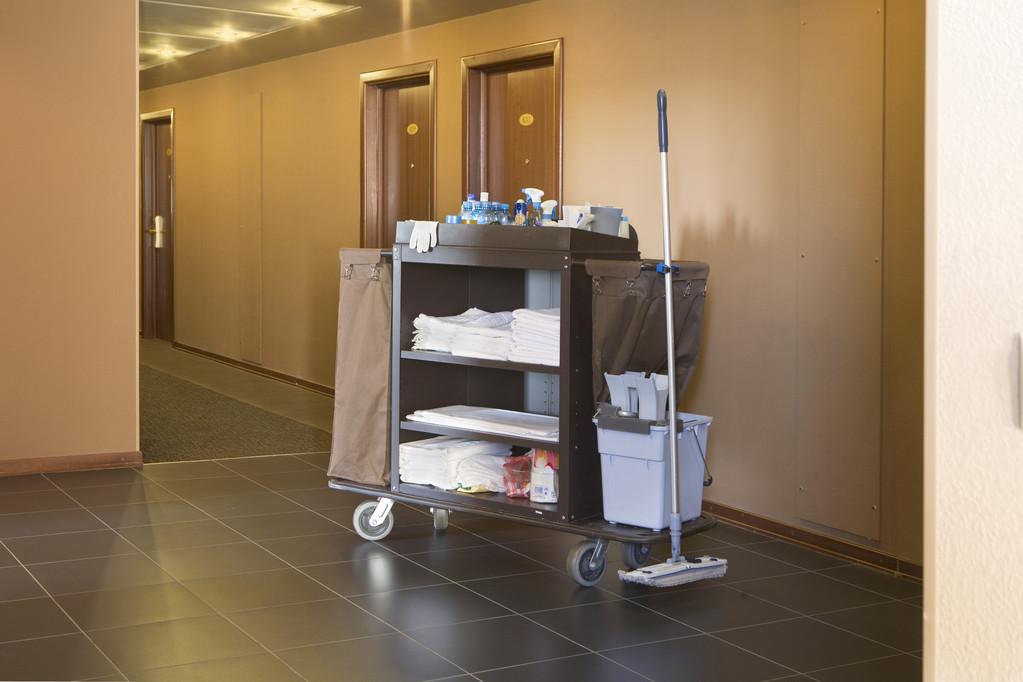
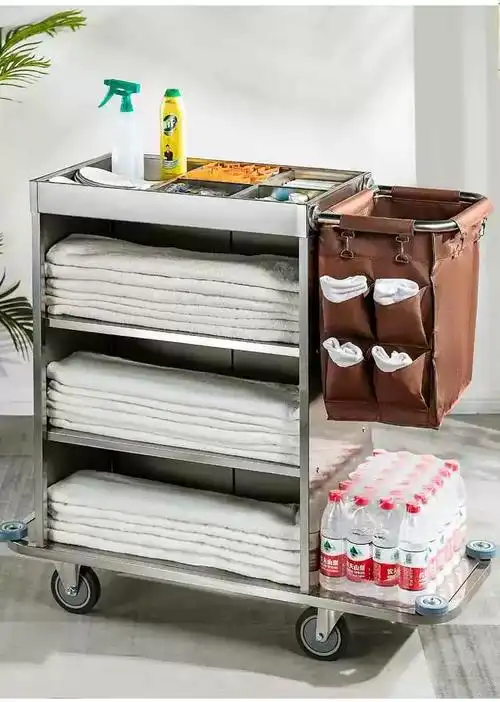
Standard Operating Procedures must be living documents. A 2021 AH&LEF study found properties that updated SOPs quarterly reduced guest complaints by 19 %. Embed photo checklists in housekeeping apps (e.g., Alice, Quore) to ensure 98 % compliance on bed-linen crease placement—an attribute surprisingly correlated with 5-star reviews. At check-in, mandate the “15-foot rule”: staff make eye contact and greet any guest within 15 ft, proven to raise lobby satisfaction scores by 0.3 points.
Empowering and Motivating Frontline Staff for Service Recovery
Empowerment means real-time decision latitude. Give agents a $200 pre-approved comp ledger per shift; Ritz-Carlton’s legendary $2,000 rule is often misquoted—what matters is immediate authority, not the amount. Track recovery attempts via PMS notes; properties that log at least one recovery action for 90 % of complaints see NPS rebound 11 points higher than those without.
Training for Personalized Service and Upselling/Cross-selling
Micro-learning modules (3-min videos) at daily pre-shift huddles increase upsell conversion by 17 % (HSMAI Foundation 2022). Teach staff to link preferences stored in CRM—e.g., soy milk in latte—to room-service dialogue, then suggest a spa package using plant-based products. Personalization plus contextual upsell raises incremental spend without eroding trust.
V. Leveraging Technology to Streamline the Experience
Implementing Digital Check-in/Check-out and PMS Integrations
Cloud-based PMS such as Opera Cloud or Mews enable 30-second mobile check-in. Accor reported a 68 % adoption rate in Nordic properties, cutting front-desk labor cost by 12 %. Integration with ID scanners reduces PCI-compliance risk and auto-updates loyalty profiles, ensuring room keys are ready before arrival—eliminating the top source of lobby complaints.
Using Mobile Apps for Guest Communication and Service Requests
Apps like INTELITY or ALICE centralize requests, reducing call volume by 25 %. Push notifications for “towels delivered” set clear expectations and cut repeat calls by 40 %. Enable multilingual chat to capture non-English speakers, a cohort growing 9 % YoY in U.S. urban markets.
Smart Room Technology and In-Room Automation
Install Bluetooth door locks and thermostat control via guests’ phones; energy savings average 8–12 % according to Deloitte hospitality tech survey. Voice assistants (e.g., Volara) raise F&B capture rate 6 % by simplifying late-night ordering. Ensure GDPR/CCPA compliance by auto-purging voice data at checkout.
VI. Enhancing the Physical Environment and Facilities
Prioritizing Room Comfort, Cleanliness, and Maintenance
Bed comfort correlates 0.63 with overall room score—highest among all attributes (STR 2023). Replace mattresses every 6–7 years; encase in hypoallergenic protectors to extend life and reduce stain-related replacements by 30 %. Implement a “room-ready” certification requiring supervisor sign-off on 30-point checklist, cutting maintenance-related callbacks 24 %.
Designing and Upkeeping Inviting Public Areas
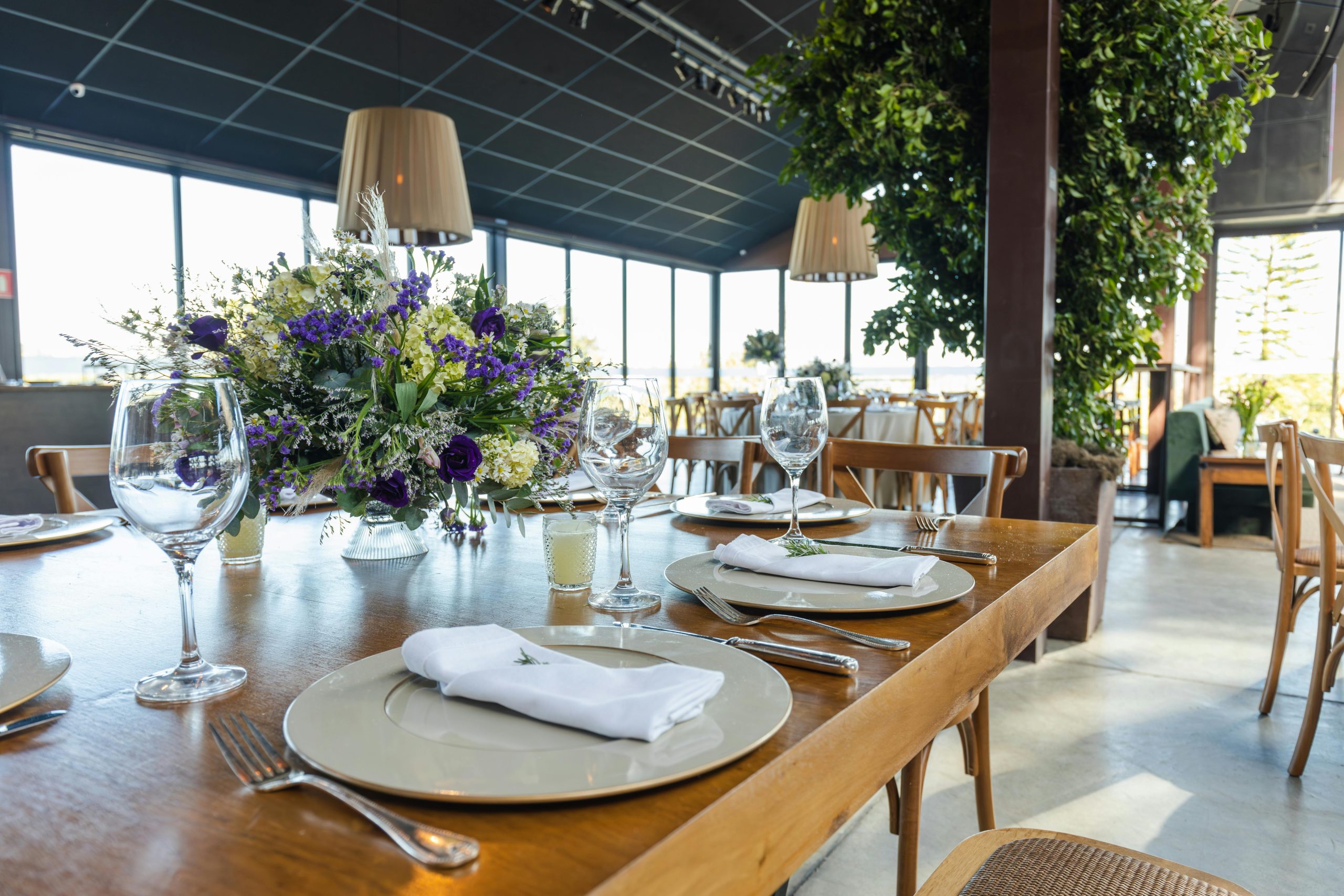
Lobby lighting should average 300 lux at eye level; dimmer settings after 18:00 create psychological warmth and increase F&B dwell time by 12 min, translating to 1.2 additional drink orders per guest. Biophilic elements—living walls, natural wood—raise perceived value 7 % without luxury pricing.
Strategic Upgrades to F&B Outlets and Amenities
Convert under-utilized breakfast corners into grab-and-go micro-markets; Hyatt House properties realized a 9 % uplift in F&B RevPAR. Rotate 20 % of menu items quarterly using local suppliers; food cost remains flat while “fresh local” keyword mentions in reviews jump 0.5 %, a statistically significant driver of rating.
VII. Personalization and Customization Strategies
Using CRM Systems to Identify and Manage Guest Preferences
Modern hospitality CRMs (Salesforce Hospitality Cloud, Cendyn) unify PMS, POS, and loyalty data to create a single guest ID. Predictive models flag 85 % probability that a repeat guest prefers higher floors; auto-blocking raises NPS by 1.3 points. Ensure GDPR consent by embedding preference center links in pre-arrival emails.
Crafting Customized Welcome Experities
Arrival amenities linked to stated dietary preferences generate Instagram posts 2.4× more often than generic fruit baskets, providing free UGC. Cost-neutral swaps—locally roasted coffee for minibar—create perceived authenticity and boost “worth more” sentiment in GSS by 6 %.
Recommending Tailored Concierge Service and Local Experiences
Train concierge to access real-time API feeds for pop-up events, secret menu bars, or sunset timings. Push personalized itineraries to guest apps; ARDA 2023 reports a 14 % increase in concierge-sourced activity spend when suggestions are time-sensitive and geo-targeted.
VIII. Effective Problem Resolution and Service Recovery Mechanisms
Establishing a Rapid Complaint Response Protocol
Adopt the HEART model: Hear, Empathize, Apologize, Resolve, Track. Require departmental acknowledgment within 15 min and full resolution update within 2 h for critical issues (noise, AC failure). Properties using HEART see 21 % faster resolution and 0.4-point higher post-recovery NPS.
Mastering Service Recovery Techniques to Turn Around Negative Experiences
Offer “fair compensation” based on lifetime value, not room rate. A $50 F&B credit for a loyalty member with $5 k historical spend feels trivial; instead provide future upgrade certificates valued at 3× the inconvenience cost. Recovery perceived as generous doubles re-booking probability (Cornell CHR 2022).
Transforming Dissatisfied Guests into Loyal Advocates
Follow up 7 days post-resolution with a personalized email from GM summarizing fixes implemented. Include an invitation to an exclusive virtual event; attendees post 1.8 positive mentions on average, effectively converting detractors into promoters.
IX. Designing Memorable, Value-Added Experiences
Creating “Wow” Moments and Surprise Delights
Deploy “random acts of kindness” budgeted at 0.25 % of rooms revenue. Examples: complimentary pet-sitting for a guest attending a funeral, or a birthday cake delivered by a robot butler. Wow moments cited in reviews raise booking conversion 5–7 % according to SiteMinder A/B tests.
Curating Authentic Local Experiences
Partner with artisanal vendors for in-room craft kits or rooftop tai-chi sessions led by local masters. 62 % of millennials prefer experiential souvenirs over merchandise; package post-experience photos in QR-coded digital frames to extend brand memory.
Enhancing Loyalty Program Benefits and Exclusive Offers
Introduce “instant redeem” micro-prizes—free espresso for completing a 3-question survey—boosting program engagement 14 %. Offer geo-fenced late checkout at partner hotels within the same destination, creating network value without discounting ADR.
X. Fostering Cross-Departmental Collaboration
Breaking Down Silos Between Departments
Create cross-functional “guest pods” combining front-desk, housekeeping, and F&B representatives for weekly stand-ups. Share next-day arrival preferences via Slack channel; properties using this model reduce preference-related errors 28 %.
Ensuring Seamless Information Sharing for a Unified Guest View
Adopt a cloud-based knowledge base where staff log quirky preferences (e.g., extra wasabi). Tag entries with sentiment scores; AI alerts supervisors to recurring negative cues, enabling proactive intervention.
Optimizing End-to-End Operational Processes
Map value-stream maps for top 5 guest requests: extra bed, late checkout, allergy-free room, shuttle, billing correction. Identify non-value-added steps; eliminate approval layers where possible, cutting average resolution time 35 %.
XI. Measuring Success and Ensuring Continuous Improvement
Defining Key Performance Indicators (KPIs) for Guest Experience
Primary KPIs: NPS, CSAT, first-contact resolution, review volume growth, and sentiment ratio. Balance with financial KPIs: RevPAR index, ADR lift, and ancillary spend per occupied room. Weight KPIs by segment to avoid averages masking issues.
Tracking the Impact of Initiatives on Occupancy Rate, ADR, and NPS
Use difference-in-differences regression comparing test vs. control hotels. STR data shows a 2-point NPS improvement yields 1.2 % occupancy premium at constant rate, translating to $1.3 m annual profit for a 300-room hotel at 75 % occupancy and $200 ADR.
Establishing a Closed-Loop Feedback System for Ongoing Optimization
Automate quarterly business reviews where KPI gaps trigger root-cause analysis and owner action plans. Publish results on internal dashboards to maintain accountability; hotels completing 90 % of action items sustain NPS growth year-over-year.
XII. Frequently Asked Questions (FAQ)
What is the single most impactful strategy for improving guest experience?
Empowering frontline staff to resolve issues in real time; Cornell research shows recovery done well drives 12-point NPS lift, higher than any single capital investment.
How can we improve guest experience on a limited budget?
Focus on staff greetings, room cleanliness, and accurate billing—three cost-neutral drivers that together account for 55 % of variance in satisfaction.
How do we handle negative online reviews effectively?
Respond within 24 h, personalize with guest name, acknowledge specifics, state corrective action, and invite return; properties that respond to >50 % reviews see 0.12-point rating improvement.
What technology investments offer the best ROI for guest experience?
Mobile check-in and CRM-driven personalization recoup investment within 12 months through higher ADR and reduced labor cost, per Deloitte 2023 hospitality tech report.
How can we measure the ROI of guest experience initiatives?
Link NPS movement to RevPAR index change using STR data; a 1-point NPS gain ≈ 0.6 % RevPAR index, enabling dollar-value attribution.
How do we get employee buy-in for new experience initiatives?
Co-create SOPs with staff, tie recognition to guest feedback, and share financial upside through incentive pools; engagement rises 18 % when teams design their own service standards.
XIII. Resources and Further Reading
Authoritative Industry Reports & Websites
- American Hotel & Lodging Association (AHLA) – ahla.com
- Hospitality Net – hospitalitynet.org
- Cornell University School of Hotel Administration – hotellab.cornell.edu
- Skift Research – skift.com/research
Recommended Tools & Software Categories
- Guest Feedback and Survey Platforms: Medallia, Qualtrics for Hospitality
- Reputation Management Systems: Revinate, TrustYou
- Property Management Systems: Opera Cloud, Mews
- CRM for Hospitality: Salesforce Hospitality Cloud, Cendyn
XIV. Conclusion: Committing to a Culture of Excellence
How to Improve Guest Experience in Hotels: Actionable Strategies That Work is not a one-time project but a cycle of data capture, staff empowerment, technology enablement, and physical refinement. By rigorously mapping the guest journey, investing in real-time recovery, and measuring financial outcomes, hotels convert experience into measurable profit. Continuous adaptation—guided by KPI dashboards and cross-departmental collaboration—embeds a guest-centric culture that sustains competitive advantage long after trends fade. Commit, iterate, and the long-term rewards of loyalty, higher ADR, and resilient RevPAR will follow.