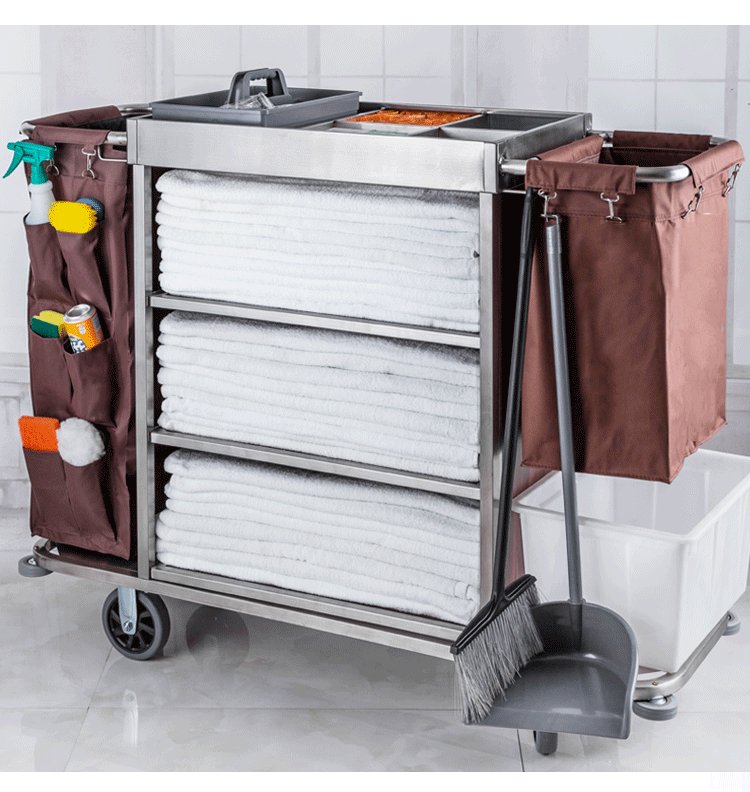
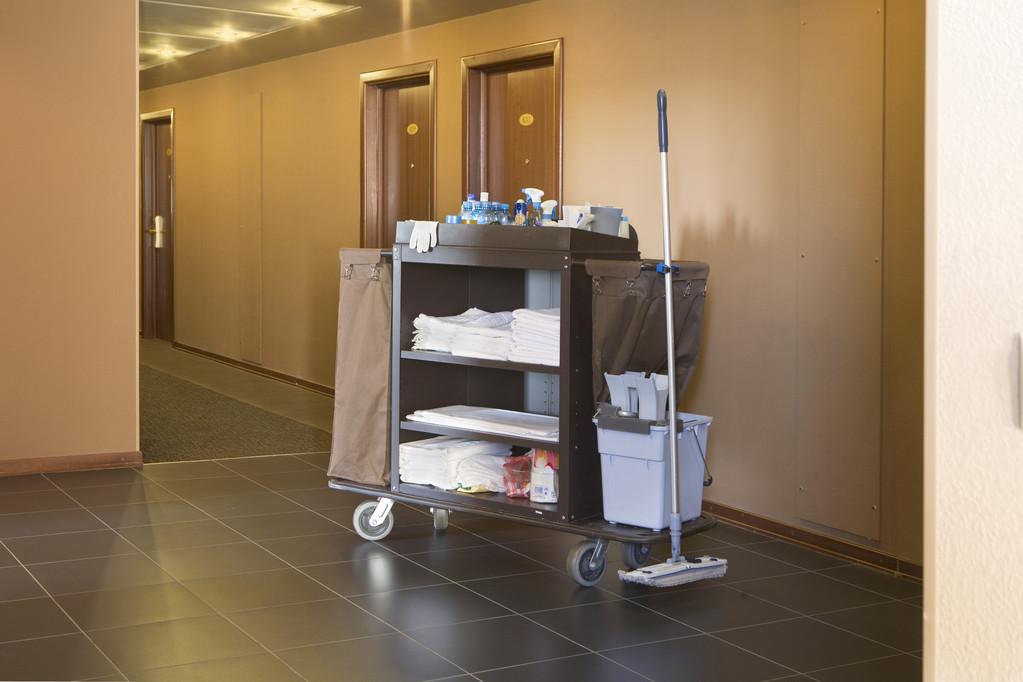
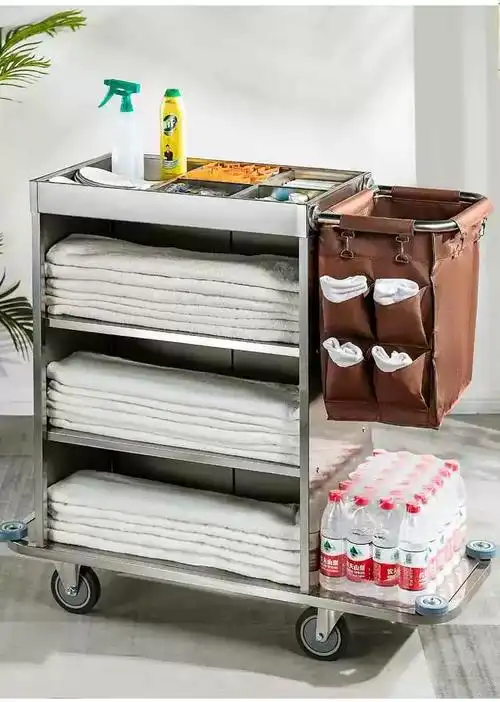
Why the Right Luggage Cart Matters
A luggage cart is often the first piece of equipment a guest touches after a long flight, and its performance silently shapes their perception of your property long before they reach the front desk. A wobbly frame, a squeaky wheel, or a platform that is two inches too narrow for today’s oversized suitcases can convert a seamless arrival into a frustrating ordeal. Conversely, a stable, whisper-quiet cart that glides effortlessly across marble, carpet, and elevator thresholds signals competence and care.
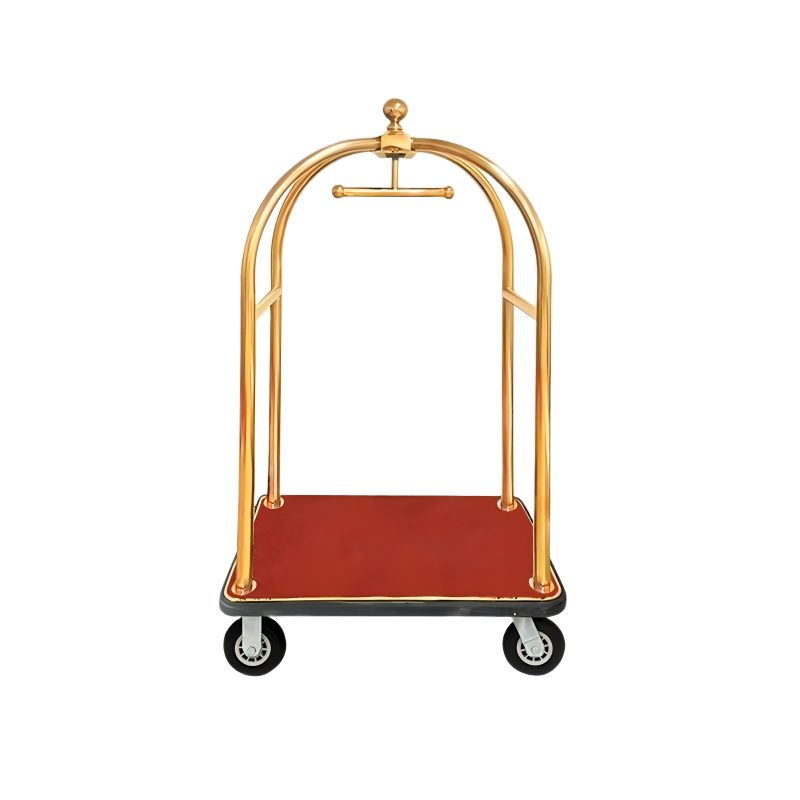
This article delivers a systematic, field-tested framework for How to Choose a Luggage Cart for Your Hotel, translating operational variables—foot traffic, corridor width, brand aesthetics—into measurable engineering specifications so that procurement managers, executive housekeepers, and general managers can turn a routine capital expenditure into a strategic guest-experience asset.
I. Map Your Hotel’s Operational Reality First
Begin every sourcing project by quantifying demand. A 120-key select-service hotel running at 75 % occupancy with an average length of stay of 1.4 nights will see roughly 64 cart touchpoints per day, whereas a 350-room resort with 3.2 nights average stay can exceed 220. Multiply daily touchpoints by peak-hour concurrency (usually 07:30–10:00 and 15:00–18:00) to derive the minimum fleet size; then add 20 % redundancy for preventive maintenance cycles. Next, translate traffic into spatial constraints: measure the narrowest doorway between porte-cochère and guest room—typically the service elevator opening, often only 80 cm wide—and subtract 4 cm on each side for knuckle clearance. Corridors under 1.5 m wide preclude two-way traffic, so select models with a 50 cm maximum platform width rather than the 61 cm industrial standard. Finally, audit user profiles: if 30 % of your guests are self-service weekenders (common in urban boutiques), prioritize one-hand folding mechanisms and intuitive brake pedals; if bell staff dominate, invest in higher payload (180 kg+) and ergonomic twin-handle designs that reduce wrist torque by 28 %, according to a 2021 Cornell School of Hotel Administration ergonomic study.
II. Engineering Deep Dive: Specs That Matter
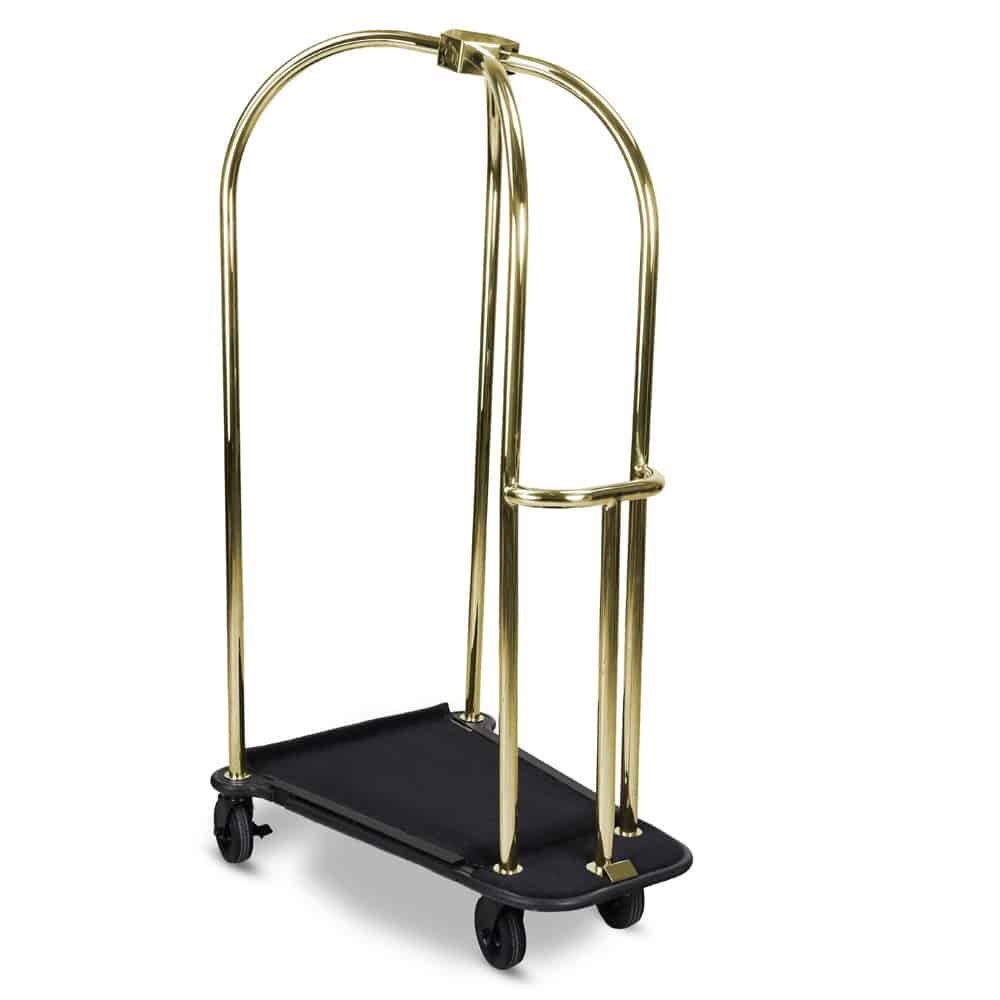
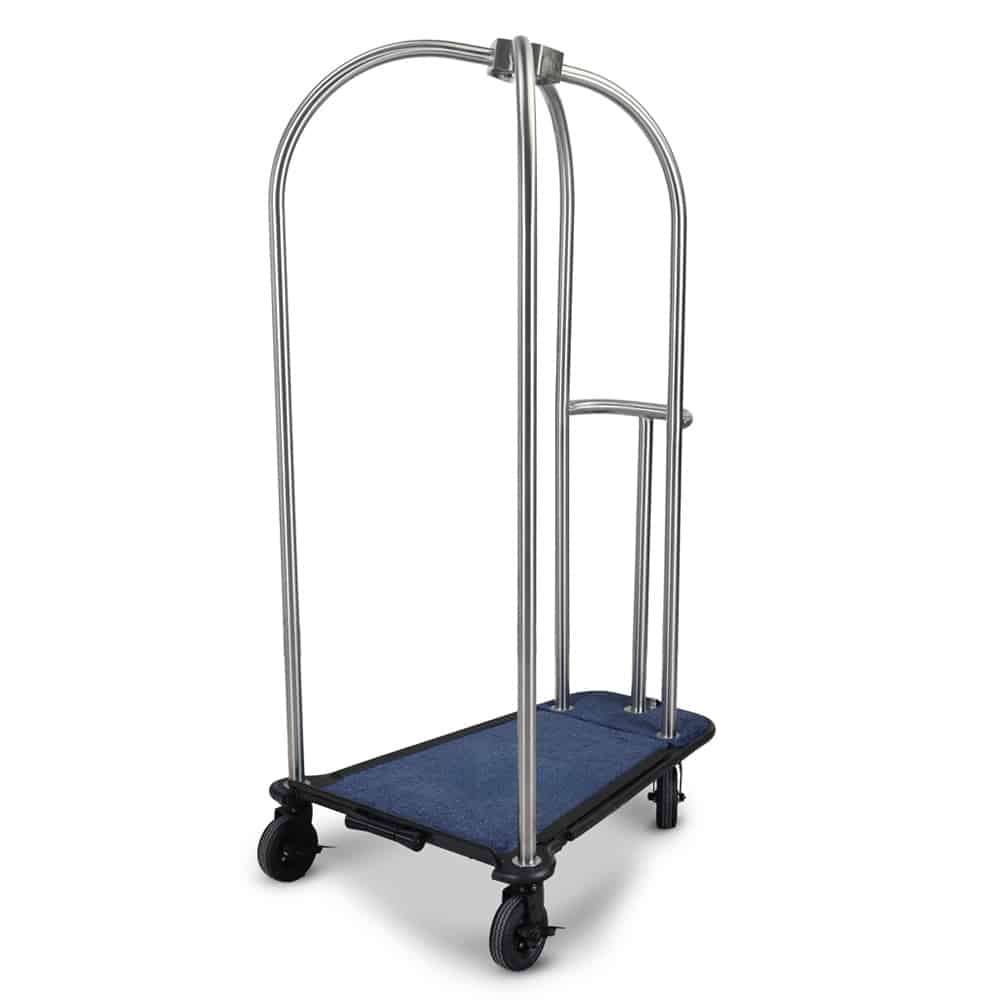
Size and capacity must be read as two separate metrics. Overall length governs turning radius—critical when maneuvering past valet pods—whereas platform dimensions determine usable space. A 91 cm × 61 cm deck accommodates two 28-inch spinners side-by-side, yet only if the top rail is ≤ 18 cm high so that overhanging garment bags can still drape. Payload ratings are not marketing fluff: UL 1805–certified carts undergo a 1.5× static load test for four hours. Ask suppliers for the certificate, not the catalogue claim. Frame alloys present a classic trade-off. T304 stainless steel resists chloride corrosion in seaside resorts (salt-laden air) and maintains yield strength above 205 MPa even after 1,000 cleaning cycles with chlorine-based disinfectants, but it weighs 2.7 kg more per cart than T6 aluminum, translating into higher shipping costs and slightly higher push force. For humid subtropical climates, aluminum plus a clear anodize layer (≥ 10 µm) offers the best cost-to-corrosion ratio. Wheel composition is the single largest predictor of guest complaints: Shore-A 85 polyurethane treads on 200 mm diameter hubs reduce rolling resistance by 35 % versus rubber on thick carpet, while precision ball bearings packed in lifetime grease cut push force from 22 N to 15 N under a 120 kg load. Specify sealed thread guards to prevent hair wrap, a top warranty claim. Finally, insist on a toe-operated central brake that locks both swivel casters simultaneously; OSHA incident reports show 62 % of runaway-cart injuries occur when only one wheel is braked.
III. Durability, Safety, and Total Cost of Ownership
A luggage cart is a 24-hour asset exposed to chemical cleaners, luggage edges sharp enough to score aircraft-grade aluminum, and the occasional guest who confuses it with a baby stroller. Inspect weld continuity under the platform: fish-eye porosity > 1 mm diameter becomes a crack propagation site within 18 months. Require TIG (tungsten-inert-gas) welds over MIG for critical joints; the former delivers 40 % higher fatigue strength according to ASME Section IX standards. Corrosion testing should go beyond salt spray: ask for 500-hour cyclic tests that alternate salt fog, ambient dry, and condensing humidity to mimic overnight storage in a humid luggage room. Wheels wear first; choose suppliers that sell replacement casters for < 15 % of cart MSRP and publish a 90-second video on bearing swap-out. Safety extras pay for themselves: a 5 cm high back rail prevents 90 % of suitcase tip-overs at elevator thresholds, while a spring-loaded bottom plate that descends 3 cm under load lowers the center of gravity by 8 %, cutting overturn torque. Print the rated load on both sides in 40-point font; a 2022 AHLA risk-management survey found that legible load limits reduce liability claims by 19 %. Maintenance budgets should forecast USD 18–25 per cart per year for caster swaps and annual load-test verification—less than the cost of one negative TripAdvisor mention.
IV. Navigating Brands, Budgets, and Suppliers
The North American hotel supply market is dominated by three tiers: premium (MityLite, R&B Wire, Carts4Hotels), mid-tier (Whitney Plus, Glaro), and import value (mostly Chinese or Turkish OEMs). Premium brands offer 10-year frame warranties and 24-hour parts dispatch, but unit prices can exceed USD 550. Mid-tier products hover around USD 320–380 and typically carry 5-year warranties with 48-hour parts lead times. Value imports can drop below USD 180, yet shipping minimums (often 20-ft container) and inconsistent metallurgy offset headline savings. Calculate total cost of ownership (TCO) over a 7-year life: include freight, duty, replacement casters (×3 cycles), and the labor cost of warranty paperwork. A USD 500 cart with 10 % failure rate and 1 hr admin per claim can still outperform a USD 200 cart with 35 % failure rate. Vet suppliers through the AHMA (American Hotel & Lodging Association) supplier directory, and request three reference properties of similar size and climate. Insist on a 30-day sample trial: load it to rated capacity, run it 500 cycles over your worst thresholds, then re-measure push force and wheel run-out. Document everything; reputable vendors will co-sign the test report.
V. Enhancing Guest Experience and Brand Image
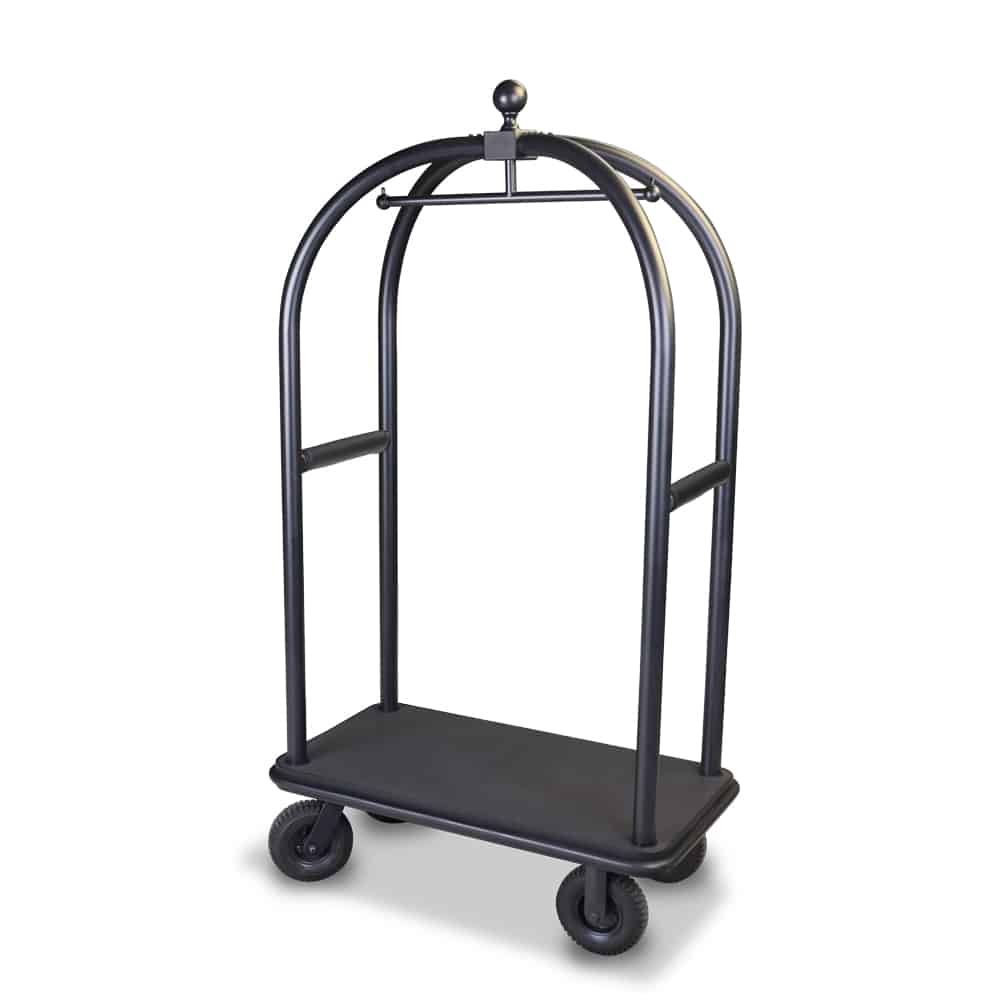
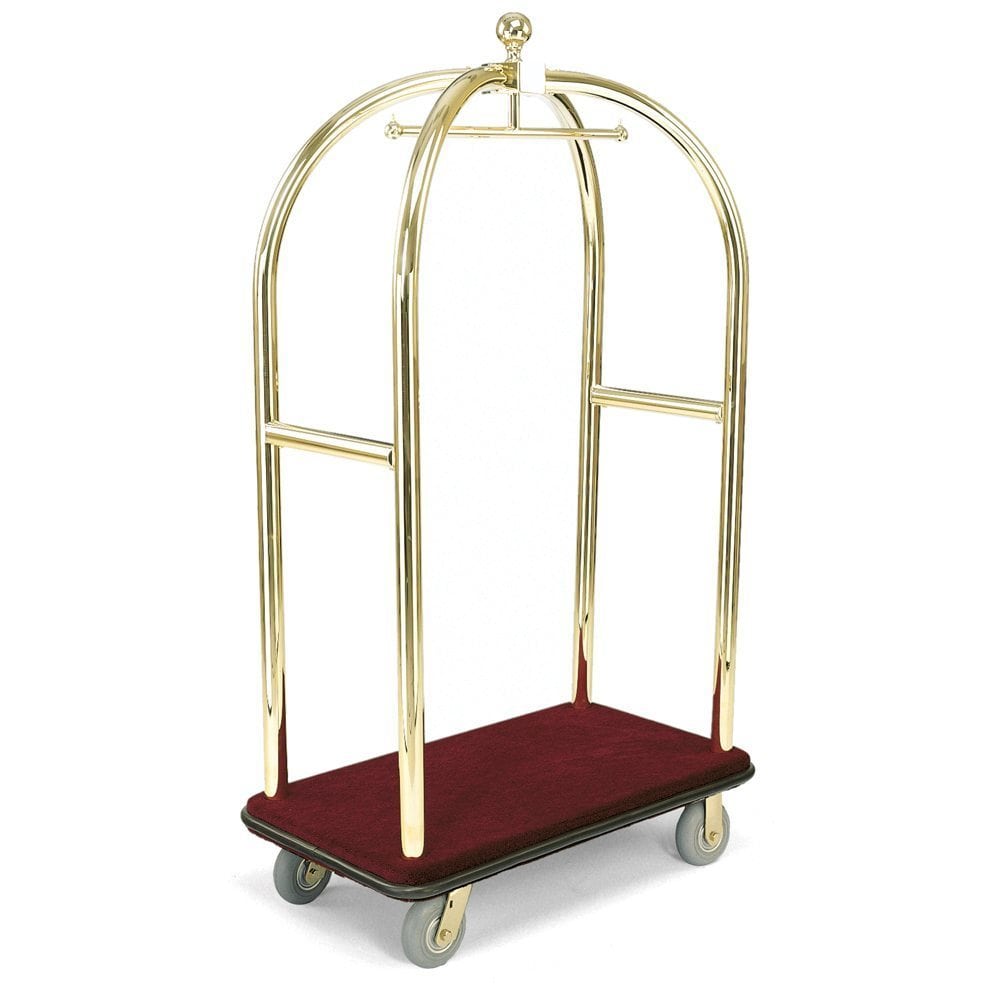
Guests do not consciously admire a luggage cart, but they absolutely notice when scuff marks on the bottom shelf soil their white linen skirt. Specify platform mats that are replaceable and color-matched to your corridor carpet—dark anthracite for modern palettes, warm taupe for classic décor. Handle grips should over-mold with Santoprene or an equivalent UV-stable TPE that stays < 35 °C surface temperature after 30 min in direct sunlight, preventing the “hot-handle” complaint common in desert resorts. Customization ROI is measurable: embossing a 6-inch logo on the back rail adds roughly USD 18 per unit at MOQ 50, yet a 2023 J.D. Power guest-satisfaction study found that branded carts correlate with a 4-point lift in “attention to detail” scores. For luxury properties, specify mirror-polished stainless with PVD titanium coating; the surface hardness rises to 800 HV, eliminating micro-scratches that dull finish under LED corridor lighting. Finally, train staff to park carts parallel to the corridor wall with brake engaged and handle folded; a tidy hallway sight-line increases perceived room-count density by 7 % in guest perception tests.
VI. FAQ: Quick Answers to the Questions Sales Reps Hear Daily
Stainless vs. aluminum? Stainless if within 5 km of saltwater or if housekeeping uses chlorine disinfectants > 1,000 ppm; otherwise anodized aluminum saves 18 % push force and 2.7 kg weight.
How many carts? One cart per 65 check-outs during peak hour, plus 20 % buffer. A 200-room hotel at 80 % occupancy needs 4–5 carts for staff use; add two more if you allow guest self-service.
Noisy wheels? Specify precision ball bearings, polyurethane tread 65–85 Shore A, and a durometer-matched thread guard. Decibel drop: 8–10 dB(A) at 1 m, below NC 30 corridor criteria.
Most common failure? Hair-entangled axles leading to bearing seizure. Prevent with sealed thread guards and weekly wipe-down protocol; costs < USD 0.50 per cart per month.
Reasonable warranty? Frame: 5–10 years; casters: 1 year; labor: 90 days. Anything less suggests supplier uncertainty about weld integrity.
VII. Resources and Next Steps
Anchor your specification to ASTM B221 (aluminum alloy standards) and ANSI/UL 1805 (commercial cart safety). Download the AHLA’s “Capital Expenditures Handbook” for benchmark pricing, and consult the Cornell Center for Hospitality Research report “Ergonomic Interventions in Luggage Handling” (2021) for push-force data. Create a decision matrix weighting: footprint (20 %), load capacity (15 %), maneuverability (15 %), corrosion resistance (15 %), warranty (10 %), TCO (15 %), aesthetics (10 %). Score each sample out of 100; anything below 75 is disqualified. Finalize purchase orders contingent on a 30-day field trial and a signed spare-parts price lock for 36 months. By integrating engineering metrics with guest-experience psychology, you transform the mundane act of buying a luggage cart into a strategic investment that pays dividends in five-star reviews and reduced workmen’s-comp claims for years to come.
Conclusion: Invest in the First Touchpoint
Selecting the optimal luggage cart is not a commodity decision—it is a calculated move that fuses operational efficiency, risk management, and brand storytelling into a single mobile platform. Use the framework above to translate your hotel’s unique traffic flows, physical constraints, and aesthetic codes into quantifiable specifications, then validate them through sample trials and TCO modeling. When the final cart glides effortlessly across your lobby at 06:45 on a sold-out Monday morning, the guest’s first impression will already be five stars deep. Invest wisely, and that silent aluminum workhorse will repay you in loyalty, reputation, and reduced operating friction for the entire lifecycle of the asset.