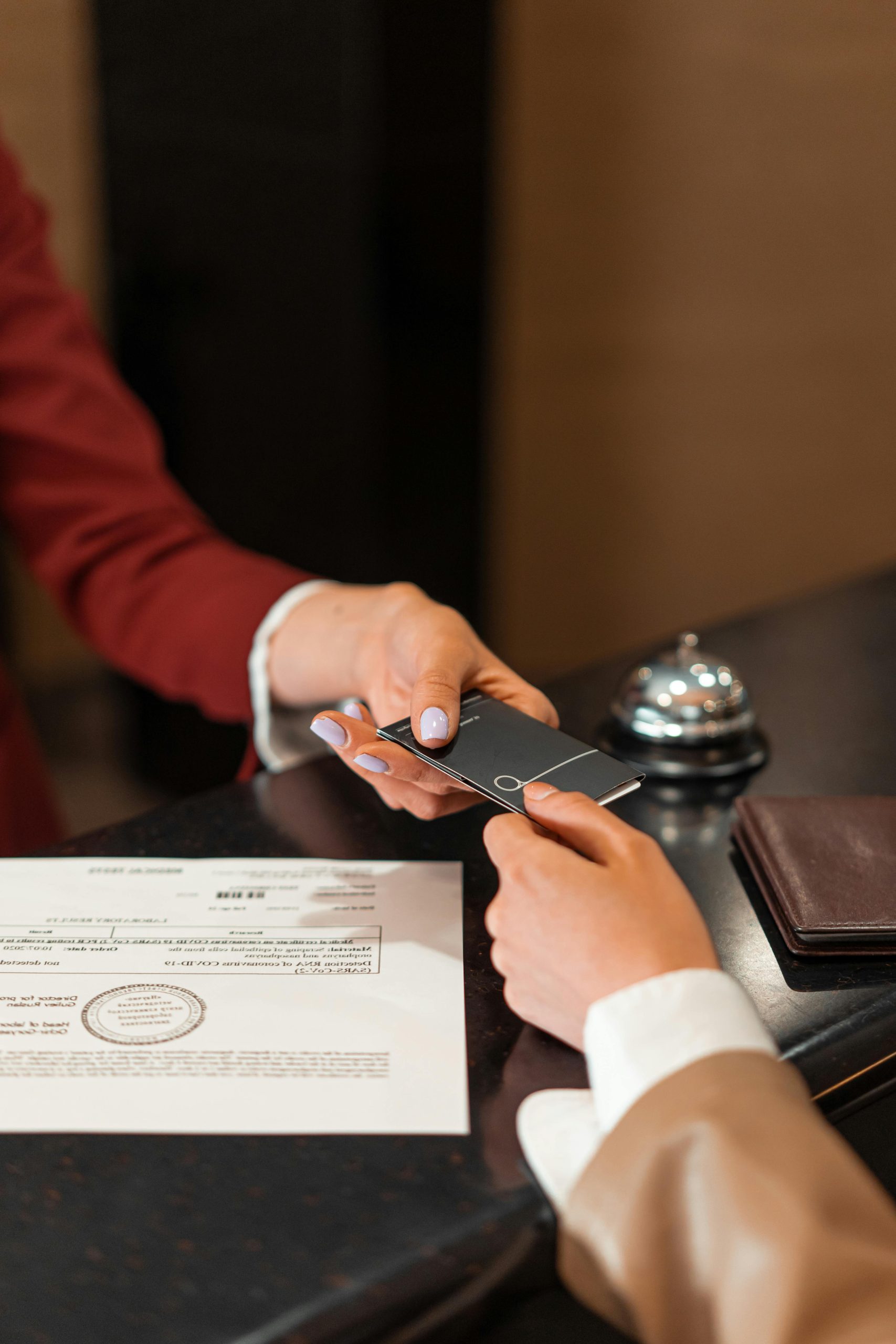
Introduction: The Power of SMS in Modern Hospitality
Picture the average traveler: phone in hand, thumbs twitching like a caffeinated barista, hunting for a room that feels less “meh” and more “home.” In that micro-moment you have two jobs—fill the bed and make the guest feel like royalty before they even cross the lobby. Email open rates hover around 20 % (the inbox equivalent of a “Do Not Disturb” sign), but SMS? Ninety-eight percent of texts are read within three minutes, according to Gartner’s mobility research. Translation: if you want to boost bookings and guest experience at the same time, the closest thing to teleportation is a well-timed text. This guide will show you how to turn 160 characters into revenue, rave reviews, and repeat stays—without sounding like a desperate ex.
Understanding SMS Marketing for Hotels: Why & How It Works
Hotels sell time: check-in at three, checkout at eleven, and every unbooked night evaporates like complimentary champagne. SMS is the only channel that marries urgency with intimacy; it pings in pockets, purses, and poolside loungers alike. Because phone numbers are tethered to real people (not spam-bot alter egos), your message lands exactly where the guest already curates their life—between “Mom” and “Uber.”
Key use cases span the funnel: flash-sales for shoulder-season rooms, upgrade offers sent while guests are still at TSA, mid-stay texts that turn a noisy room into a suite with a view, and post-stay surveys that feel like a conversation, not homework. But before you hit send, remember: consent is sexy. GDPR, CCPA, and the good-old TCPA require clear opt-in language (“Get insider deals—up to 4 msgs/mo. Reply STOP to quit”) and a double-opt-in if you’re extra cautious. Think of it as the digital “May I?” that keeps you off regulators’ naughty list and on the guest’s speed dial.
Crafting Effective SMS Campaigns to Drive Direct Bookings
Direct bookings save you the 15–25 % OTA haircut, so your SMS needs to feel like a VIP side door, not a coupon clipping. Start with an offer that passes the “Would I get out of bed for this?” test: free parking, a $50 food-and-beverage credit, or late checkout that lets sleepy travelers pretend the mini-bar never happened. Segment by intent—someone who abandoned a desktop cart needs a different nudge than a past guest celebrating an anniversary. Use your PMS data to target by geo (drive markets), stay history (business vs. leisure), or even weather (rainy-weekend flash sale).
Keep the funnel friction-free: link to a mobile-optimized booking engine that pre-loads promo codes and auto-fills loyalty numbers. Timing? Tuesday through Thursday, 10 a.m.–2 p.m. local time, when travelers play hooky from spreadsheets and scroll for escapes. Cap frequency at four promotional texts per month; any more and you risk the digital equivalent of a fire alarm—unfollowed by a swift opt-out.
Leveraging SMS to Enhance the Entire Guest Journey & Experience
Revenue is only half the puzzle; the other half is the memory you leave behind. SMS can choreograph the entire stay like a Netflix trailer—short, binge-worthy, and impossible to ignore.
Pre-arrival: Two days out, send a confirmation with a cheerful “Can’t wait to see you!” and a button to add check-in time. Slip in an upsell—poolside cabana or champagne welcome—priced just under the pain threshold of a ride-share from the airport.
Arrival: On the morning of, text the guest when the room is actually ready (not the contractual 3 p.m. fairy tale). Add a Google Maps pin for the parking entrance so they’re not circling like a hawk looking for roadkill.
On-property: Allow guests to text housekeeping for extra towels, order a flat white from the café, or reserve a yoga mat—no app download required. The Cornell Hotel School found that guests who use mobile concierge report 18 % higher satisfaction, mostly because they feel heard without hunting down a human.
Post-stay: Within 24 hours, send a three-question survey (“How was your sleep? Rate 1–5 pillows”). Offer 500 loyalty points for completing it; then follow up 30 days later with a personalized “Missing us?” text and a 10 % comeback code. The goal: turn one-night wonders into lifelong groupies.
Best Practices for High-Impact & Engaging Hotel SMS Messaging
Great SMS copy is like a bartender who remembers your name and your drink—short, friendly, and just flirtatious enough. Open with the guest’s first name (merge tags are your friend), lead with the benefit, and end with a single call-to-action. Example:
“Hey Jordan! Your ocean-view upgrade is $40 off—only today. Tap to lock it in: bit.ly/yeswaves”
Emojis? Use like salt: a 🏖️ for beach resorts, a 🐶 if you’re pet-friendly. Skip the eggplant—unless you run a vegan B&B. MMS (image texts) boost engagement by 30 %, so attach a thumbnail of the sunset balcony, but compress under 500 KB so it loads on patchy Wi-Fi. Maintain brand voice: if your website is boutique-elegant, don’t go full frat-boy in the text. Think “polished concierge with a wink,” not “bro texting at 2 a.m.”
Integrating SMS with Other Hotel Marketing & Operations Tools
SMS should never be the lonely islander. Sync it with your PMS so automated triggers fire when a reservation status changes. Connect to your CRM to unify email, SMS, and on-property spend into one guest profile; that way you don’t email a honeymooner about meeting-room packages. For true omnichannel magic, use SMS as the real-time layer and email as the canvas for richer storytelling. Internally, set up staff alerts: housekeeping gets an SMS when early check-ins spike, and the GM gets a ping if three guests in a row complain about Wi-Fi. Suddenly your hotel runs like a Swiss watch—no cuckoo clocks required.
Measuring Success & Optimizing Your Hotel SMS Strategy
Vanity metrics are the hotel industry’s chocolate fountain—fun to stare at, sticky to touch. Track what matters: delivery rate (aim >98 %), click-through rate (10–20 % is solid), conversion rate (bookings divided by clicks), and revenue per message. Use unique promo codes or shortlinks with UTM parameters so your accountant can trace dollars back to digits. A/B test everything: emoji vs. no emoji, “Save 20 %” vs. “Get $50 off,” 9 a.m. vs. 6 p.m. sends. After each campaign, mine guest replies for sentiment; a spike in “Stop” or “Too many msgs” is the canary in the coal mine. Adjust frequency, segmentation, or creative before the bird drops.
Choosing & Implementing the Right SMS Marketing Platform for Hotels
Not all platforms understand hospitality; some are built for pizza coupons. Demand native PMS integrations (Oracle OPERA, Cloudbeds, RoomRaccoon), two-way texting so guests can answer back, and automation workflows that trigger on arrival date, tier status, or NPS score. Scalability matters: a 50-room inn might pay $50/month, but a 500-room resort needs tiered pricing that doesn’t punish growth. Ask for a 14-day sandbox; load ten real reservations and watch the magic. If onboarding requires more than a one-hour Zoom and a support library, keep shopping—your front desk has enough drama.
Avoiding Common Pitfalls & Ensuring Compliance in Hotel SMS Marketing
Nothing kills vibe like a $500 TCPA fine per unsolicited text. Always secure express written opt-in—online checkout boxes don’t cut it. Use frequency caps (max 4 promos/month) and quiet hours (no texts after 9 p.m. local). Honor opt-outs instantly; “Reply STOP” should trigger automatic suppression, not a human ticket. Finally, archive messages for at least four years; regulators love paper trails more than honeymooners love rose petals.
Frequently Asked Questions (FAQ) About Hotel SMS Marketing
How much does SMS marketing for hotels typically cost?
Between one and five cents per outbound text; inbound replies are usually free. Add platform fees and you’re looking at $30–$300/month depending on volume.
What is a good opt-in rate for a hotel’s SMS list?
Two to four percent of monthly website visitors is solid; past guests checking out with a mobile app can hit 15 % if you dangle 500 loyalty points.
How often is it acceptable to send marketing texts to guests?
One to two promotional messages per month keeps you charming, not clingy. Service messages (check-in ready, folio receipt) don’t count.
Can we send SMS to international guests?
Yes, but expect higher per-segment fees and country-specific rules (e.g., strict quiet hours in France). Always mention currency and time zone.
What’s the difference between SMS and MMS, and when should we use each?
SMS = plain text, 160 characters. MMS = up to 1,600 characters plus image/video. Use MMS for room tours or spa photos; stick to SMS for quick alerts.
How do we handle guest privacy and data security with SMS?
Encrypt guest data at rest, use two-factor authentication on your dashboard, and sign a Data-Processing Agreement (DPA) with your vendor to stay GDPR bulletproof.
Conclusion & Next Steps
Effective SMS marketing for hotels isn’t a gimmick—it’s the shortest path between an empty room and a delighted guest. By marrying real-time reach with genuine hospitality, you turn tiny texts into towering revenue and memories that survive long after the key card is tossed. Ready to start? Audit your current guest touchpoints this week: map where you ask for phone numbers, craft one irresistible opt-in incentive, and schedule your first “Welcome to the neighborhood” text. The sooner you hit send, the sooner your occupancy—and your guest smiles—go up.
Additional Resources & References
FCC guide on TCPA compliance
Gartner mobility report on SMS open rates
Cornell study on mobile concierge impact
Sample templates: Cloudbeds SMS library (opt-in, welcome, upsell flows)